
Cheese Curds for Home Cooks: Squeak, Freshness, Recipes
This post contains affiliate links. Click here to read my affiliate policy.
Last Updated on October 31, 2026
Most of us meet cheese curds by accident. Maybe it was a paper boat of fried curds at a county fair. Maybe it was a bowl of poutine on a road trip. Either way, the first bite raises a fair question: what exactly is this, and can I cook with it at home?
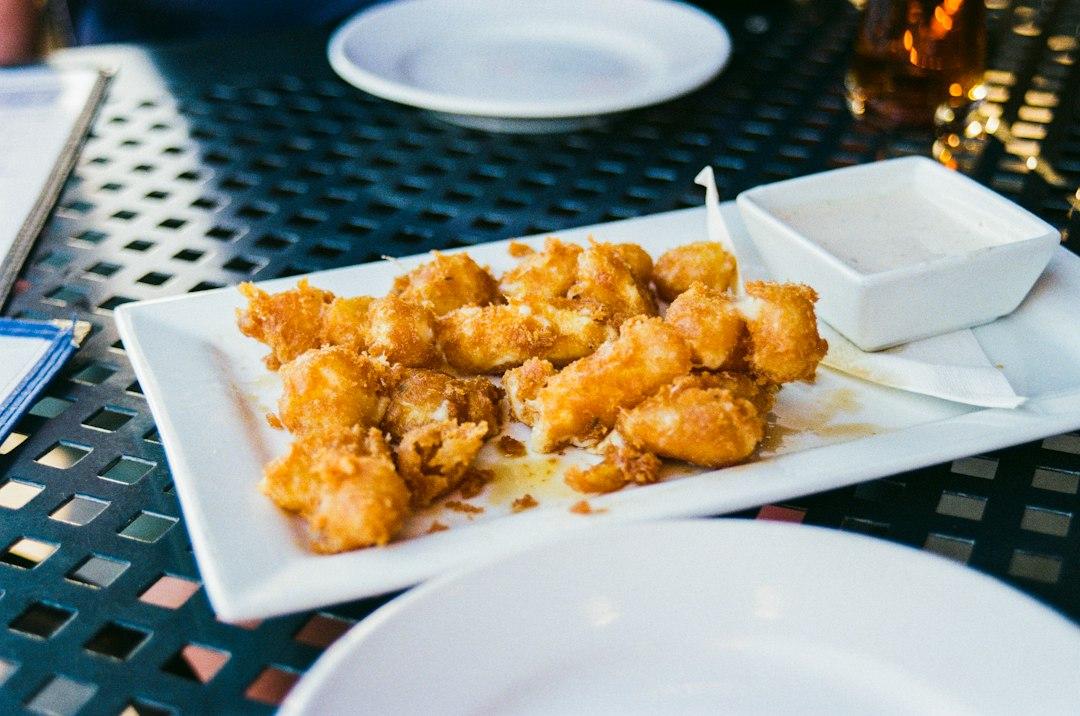
Photo by Paul Esch-Laurent on Unsplash
The good news is that curds are one of the simplest cheeses you can buy. September Farm, a dairy farm and cheesemaker in Honey Brook, Pennsylvania, makes its cheese curds from milk produced by the cows on its own farm. The farm describes curds as cheddar “when it’s still a baby.” That short phrase tells a home cook almost everything about how to buy, store and use them.
What Are Cheese Curds, Really?
Curds are fresh pieces of cheddar that never go into a press. Most cheese is pressed into wheels or blocks and then aged for months. Curds skip that step. They are milled into bite-size pieces, salted and bagged soon after they leave the vat.
The ingredient list is short. September Farm lists four items:
- Milk, which it does not skim, so the curds stay rich.
- Salt, which draws out whey, adds flavor and helps the curds keep.
- Microbial rennet, which sets the milk so it can be cut.
- Cheese culture, which turns milk sugar into lactic acid.
If you want the science behind those steps, the University of Wisconsin Center for Dairy Research has a plain-language Cheese 101 page. It is a good read for anyone curious about how milk turns into cheese.
Why Do Fresh Curds Squeak?
The squeak is the famous part. Fresh curds have a springy protein structure that rubs against your teeth. That rubbing makes a small, rubbery squeak as you chew.
The squeak fades as the cheese ages. September Farm calls the squeak a sign that the curd is fresh and “in prime condition for eating.” Curds without it are still fine to eat. They just taste more like mild cheddar and less like a snack straight from the vat.
How Can You Tell a Bag Is Fresh?
A short check at the store or farm counter helps:
- Look at the date. Curds are a fresh cheese, so a recent pack date matters more than with aged cheddar.
- Check the shape. Real curds are irregular, lumpy pieces, not neat cubes.
- Press one gently. It should feel springy, not dry or crumbly.
- Taste it. A mild, milky flavor and a squeak mean you got a good bag.
The irregular shape matters. September Farm warns about sellers who break up aged cheddar and call it curds. Those pieces look tidy but will never squeak.
How Should You Store Cheese Curds?
Curds are best within a few days. Many fans leave them at cool room temperature for the first day, since chilling dulls the squeak. After that, keep them in the fridge in a sealed bag or container.
To bring back a little squeak, let chilled curds sit out for about 20 minutes before serving. Some cooks warm them in the microwave for 5 to 10 seconds. Go slowly, because a few seconds too many will melt them.
Older curds still have a place in your kitchen. September Farm suggests tossing them into salads, sandwiches or morning eggs. Those dishes do not need the squeak at all.
What Are the Easiest Ways to Cook With Curds?
Three recipes cover most of what a home cook needs.
Weeknight Poutine
Poutine is fries, curds and hot gravy. It started in rural Quebec in the 1950s, and you can read its history in the Canadian Encyclopedia.
At home, bake or air-fry your fries until crisp. A batch of oven truffle fries works well as a base. Scatter room-temperature curds on top, then pour very hot gravy over everything. The heat softens the curds without melting them flat.
For the gravy, a brown gravy like the one in this hamburger steak recipe is a good match. Make it thick enough to coat a spoon.
Fried Cheese Curds
Fried curds taste like a smaller, softer mozzarella stick. Keep the batter simple:
- Whisk flour, a pinch of salt and cold sparkling water into a thin batter.
- Chill the curds for 15 minutes so they hold their shape.
- Dip a few at a time and fry at 350°F for about a minute.
- Drain on a rack and serve with ranch or marinara.
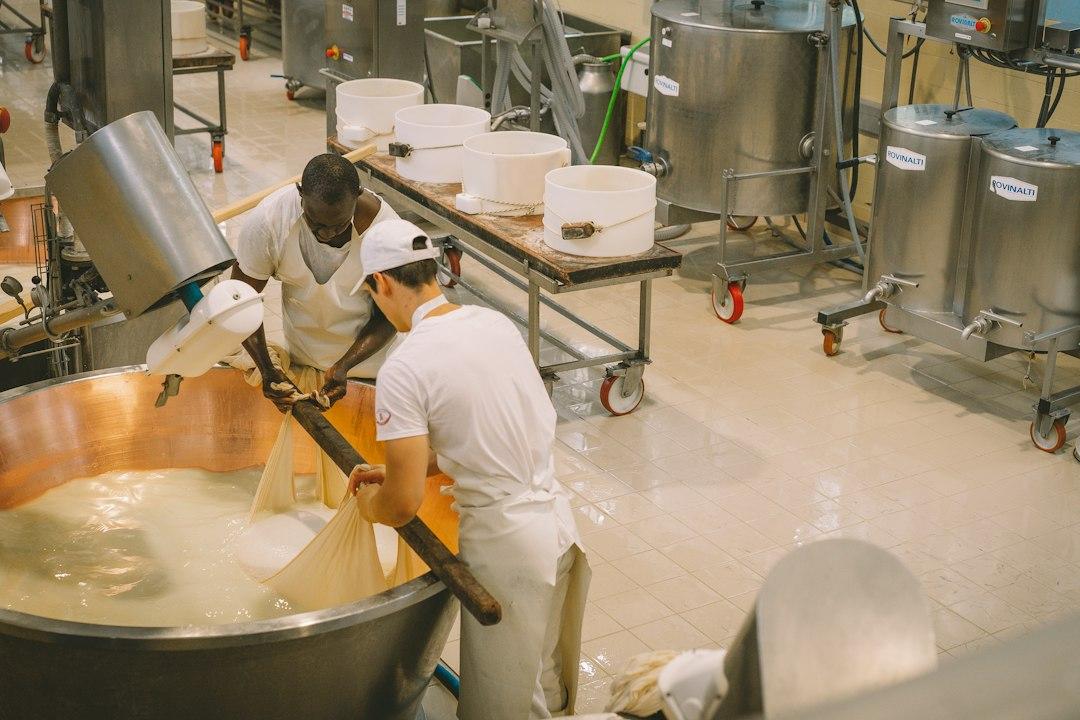
Photo by Caroline Roose on Unsplash
Fry in small batches. A crowded pot drops the oil temperature, and the cheese leaks out before the coating sets.
Curd and Tomato Salad
This one needs no cooking. Toss halved cherry tomatoes, cucumber and torn basil with olive oil and vinegar. Add a handful of curds just before serving. It is a good use for curds that have lost their squeak.
Where Do Good Curds Come From?
Because curds are best fresh, the source matters. Look for a cheesemaker that makes curds itself rather than repacking cheddar. September Farm makes its curds on site and ships them across the lower 48 states. Locals can also buy them at the farm’s Country Market on Horseshoe Pike in Honey Brook.
If you live near any small cheesemaker, ask when they make curds. Buying on curd day is the easiest way to hear the squeak at its loudest.
Frequently Asked Questions
Are Cheese Curds the Same as Cheddar?
They start the same way, but curds are not aged or pressed. They are fresh pieces of young cheddar. That is why they taste mild and squeak when fresh.
How Long Do Cheese Curds Last?
They taste best within a few days of being made. After that, keep them sealed in the fridge. They will lose the squeak but still work in cooked dishes and salads.
Can You Freeze Cheese Curds?
You can, but freezing changes the texture. Thawed curds turn crumbly and will not squeak. Save frozen curds for poutine, casseroles or eggs.
What Is the Best Gravy for Poutine?
A thick, hot brown gravy works best. It should be hot enough to soften the curds. Thin gravy makes the fries soggy before the curds warm up.


