DIY Projects to Try If You’re New to Stone Engraving
This post contains affiliate links. Click here to read my affiliate policy.
Last Updated on July 6, 2026
Stone engraving has quietly become one of the more accessible entry points into hands-on craft work. Unlike woodworking or metal fabrication, it requires minimal setup, modest space, and a short learning curve. For newcomers looking for a tactile hobby that produces tangible, giftable results, stone engraving offers a low-barrier way to start creating almost immediately.
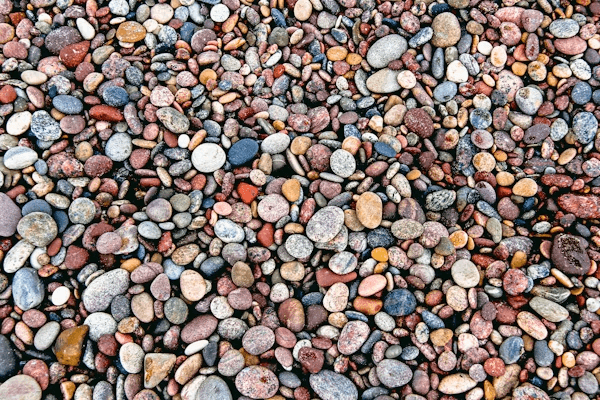
The appeal isn’t limited to seasoned crafters. Beginners are drawn to the medium because stones, whether river rocks, slate coasters, or polished pebbles, are forgiving materials that don’t demand precision tools or years of practice. A few practice pieces in, most first-timers can produce something presentable.
Design-build DIYer Chris Salomone has spoken to this learning curve directly. “Don’t let the fear of making a mistake stop you from starting. Mistakes are just the tuition you pay for your education,” Salomone has said, a sentiment that applies especially well to engraving, where early attempts often look rougher than later ones but still teach the fundamentals of pressure control and line work.
Starting With Simple Line Designs
The easiest way into stone engraving is with basic linear patterns: initials, geometric shapes, or short words. These designs require fewer directional changes than cursive lettering or detailed illustrations, which makes them ideal for someone still learning how their tool responds to different stone surfaces.
Good First Projects
- A single monogram letter on a flat river rock
- A straight-edged border or simple frame design
- Basic geometric shapes such as triangles or diamonds
- A short word, like a name or “home,” in block lettering
River rocks and flat slate pieces are common starting materials because their surfaces are relatively even. This mirrors advice from DIY creator April Wilkerson, who has described her own early experience with unfamiliar tools this way: “I didn’t know how to use half these tools when I started. I just knew I wanted to build something.” That same willingness to begin without full mastery applies to engraving, where the tool becomes more intuitive with repetition rather than upfront study.
Choosing an Engraving Pen
For those selecting equipment, the choice of tool matters. Corded and cordless options are both available on the market, and pen weight, grip design, and tip material can affect how comfortable extended sessions are. Retailers such as Resparked offer dedicated stone-engraving tool collections at resparked.com, that group pens and accessories suited to this kind of project work. This helps newcomers narrow down options without sorting through general hobby retailers.
Personalizing Coasters and Small Home Decor
Stone coasters are a popular second project because they combine functionality with a customizable surface. Slate coasters, in particular, have a smooth, dark finish that creates strong visual contrast once engraved, making even simple designs look intentional.
Beginner-Friendly Coaster Ideas
- Monogrammed initials in the corner or center
- A short date, such as a wedding or move-in date
- Minimal line drawings, like mountains, waves, or a moon
- A single word such as “gather” or “welcome”
Because coasters are typically sold in sets, they also give new engravers multiple surfaces to practice on before committing to a “final” piece, reducing the pressure that often comes with single-attempt projects.
Small Decorative Stones
Small decorative stones, sometimes stacked or displayed in a dish, follow a similar logic. Each piece can carry a different word, symbol, or short phrase, allowing a project to be completed incrementally rather than all at once. This approach suits people easing into a new hobby around limited free time, since a stone or two can be finished in a short sitting rather than requiring a long uninterrupted block.
Creating Personalized Gift Items
Engraved stones translate naturally into gifts, largely because the medium allows for names, dates, or short messages that feel personal without requiring elaborate design skills.
Occasions That Suit Engraved Stone Gifts
- Birthdays and anniversaries
- Housewarmings and new-home celebrations
- Baby announcements or milestone dates
- Sympathy or memorial keepsakes
This gifting angle is part of why stone engraving has gained traction among people searching for a new creative outlet rather than a professional craft. The end product carries sentimental value regardless of the maker’s skill level, which lowers the stakes for a first attempt. A slightly uneven line or imperfect spacing rarely detracts from a handmade gift’s meaning.
Layered Gift Sets
Layered gift sets, such as a small engraved stone paired with a coaster or keychain, have also become common beginner projects. These allow newcomers to apply the same skill across multiple surface types in a single sitting, reinforcing technique while producing a more complete gift package.
Practicing Texture and Shading Techniques
Once a beginner is comfortable with basic outlines, texture work is a natural next step. Cross-hatching, stippling, and varied line depth can add dimension to an otherwise flat design, turning a simple outline into something that reads as more detailed.
Techniques Worth Practicing
- Cross-hatching for shadow areas
- Stippling for soft texture or gradient effects
- Varying line depth to suggest dimension
- Shading one side of an object to imply light source
This stage often benefits from practicing on inexpensive or scrap stones before attempting a design meant for display or gifting. Texture work requires more control over pressure and pen angle than straight lines, so mistakes at this stage are common and, as both Salomone and Wilkerson’s philosophies suggest, part of the expected process rather than a sign the hobby isn’t a good fit.
Community feedback on engraving tools frequently notes that consistency improves quickly with repeated use, which aligns with data reported by tool manufacturers: Resparked, for instance, reports that more than 650,000 people currently use its flagship Customizer Engraving Pen, and the brand maintains an “Excellent” rating across nearly 2,500 customer reviews.
Getting Started Without Overthinking It
Stone engraving remains one of the more approachable entry points into hands-on craft work, largely because it doesn’t require expensive equipment or extensive prior experience. As with most new skills, progress tends to come from repetition rather than research.
Beginners who start with small, low-pressure projects and allow themselves room for imperfect early attempts typically find the learning curve shorter than expected. The tools have become more accessible in recent years, and the projects themselves scale naturally from simple to complex, giving newcomers a clear, low-stakes path into a hobby that rewards patience more than precision.