How to Turn Garden and Food Photos Into Printable Projects
This post contains affiliate links. Click here to read my affiliate policy.
Last Updated on July 5, 2026
Garden and food photos are some of the easiest images to turn into beautiful printable projects. A picture of fresh herbs from the backyard, a bowl of homemade soup, a basket of tomatoes, or a favorite family recipe can become much more than a photo sitting on your phone. With a little editing and creativity, these everyday images can be transformed into recipe cards, garden journals, pantry labels, wall art, gift tags, calendars, and keepsake pages.
The best part is that you do not need to be a professional designer. Most printable projects start with one simple idea: take a photo you already love, clean it up, and use it in a way that feels personal and useful.
Start With Photos That Tell a Simple Story
Before editing, choose photos that already have a clear purpose. A close-up of basil leaves can work well for an herb garden journal. A picture of homemade jam can become a pantry label or recipe card. A photo of a fresh salad, baked bread, or garden harvest can be used for kitchen prints, menu cards, or seasonal scrapbook pages.
Try not to overthink the photo. It does not have to be perfect. It only needs to have one clear subject and a feeling you want to keep. A slightly imperfect photo can still become a beautiful printable if the subject is meaningful.
Look for Natural Light and Clean Backgrounds
Photos taken near a window, on a kitchen table, or outside in soft morning or evening light usually work best. Harsh lighting can make food look flat or create strong shadows across flowers and vegetables. A clean background also helps the final printable look more polished. If the background feels too busy, you can fix that during the editing stage.
Edit the Photo Before Designing
Once you have chosen your image, the next step is to prepare it for printing. Start by cropping the photo so the main subject is easy to see. If you are making a recipe card, leave some empty space where the recipe title or ingredients can go. If you are creating wall art, crop the image in a way that makes it feel balanced and decorative.
You can also brighten the image, adjust the contrast, and remove small distractions. For example, a garden photo may look better without a hose or plastic pot in the corner. A food photo may feel cleaner if the background crumbs, clutter, or uneven edges are removed.
An AI Image Editor can be helpful for simple edits like cleaning up backgrounds, adjusting details, or making a photo look more ready for a printable project. This is especially useful when you want a polished result without spending too much time learning complicated design software.
Keep the Final Look Natural
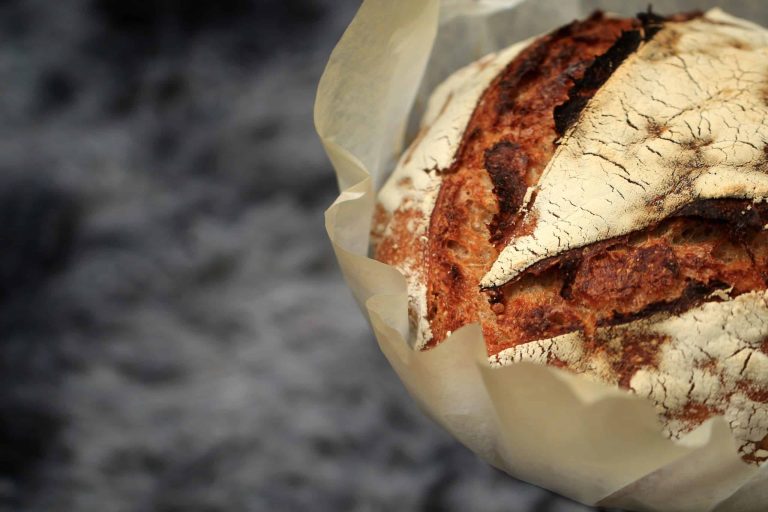
When editing garden and food photos, avoid making the image look too artificial. Tomatoes should still look fresh and real. Herbs should keep their natural green tones. Homemade bread should still have that warm, baked look. The goal is to improve the photo, not completely change its personality.
Turn Food Photos Into Recipe Cards
Recipe cards are one of the easiest printable projects to make with food photos. You can use a photo of the finished dish at the top of the card, then add the recipe name, ingredients, and instructions underneath. This works beautifully for family recipes, holiday dishes, homemade sauces, baked goods, and meal prep favorites.

For a more personal touch, include a short note about the recipe. You might write who taught you the recipe, when your family usually makes it, or why it is a favorite. These small details make printable recipe cards feel like keepsakes rather than simple instructions.
Ideas for Food-Based Printables
Food photos can be used for more than recipe cards. You can turn them into weekly menu planners, kitchen wall prints, pantry labels, holiday food tags, homemade cookbook pages, or gift labels for baked goods. A photo of cookies can become a Christmas gift tag. A picture of homemade jam can become a jar label. A beautiful soup photo can become part of a cozy meal planning printable.
Use Garden Photos for Journals and Seasonal Projects
Garden photos are perfect for printable journals because they help document growth and seasonal changes. A photo of seedlings can be used on a spring planting tracker. A flower photo can become a garden journal cover. Pictures of vegetables, herbs, or raised beds can be added to pages where you track planting dates, harvest times, watering schedules, and garden notes.

This makes the journal more personal and easier to use. Instead of a plain notebook, you have a visual record of your own garden. Over time, these pages can become a meaningful record of what worked, what failed, and what you want to try again next season.
Simple Garden Printable Ideas
Try creating seed packet labels, herb identification cards, watering trackers, seasonal garden calendars, flower care sheets, or harvest logs. You can also print edited garden photos as small art prints for a kitchen, mudroom, or potting area.
Prepare Images for Printing
A photo that looks good on your phone may need a little extra care before printing. Make sure the image is clear, bright enough, and not too blurry. If the photo will be printed large, check that the quality still looks sharp when enlarged.
A good AI Photo Editor can help improve an image before you place it into a printable design. You can use it to refine the image, improve the overall look, and make sure it feels suitable for recipe cards, journals, labels, or wall art.
Choose the Right Paper
The paper you choose also changes the final result. Cardstock works well for recipe cards, gift tags, and labels. Matte photo paper is a nice choice for wall prints or journal covers. Sticker paper can be used for pantry labels, seed labels, and homemade product tags.
Final Thoughts
Turning garden and food photos into printable projects is a simple way to make everyday memories more useful and beautiful. A photo of herbs, fresh vegetables, homemade bread, or a family recipe can become something you print, share, gift, or save.
With a few thoughtful edits and a clear project idea, your photos can become recipe cards, garden journals, labels, planners, and keepsakes that feel personal and creative. You do not need perfect photos or advanced design skills. You only need a picture with meaning, a little editing, and a plan for how you want to use it.