How to Design an Outdoor Area That Feels Like an Extension of Your Home
This post contains affiliate links. Click here to read my affiliate policy.
Last Updated on May 1, 2026
Outdoor spaces are no longer treated as separate zones that sit outside the main living area. They are expected to feel connected, usable and just as refined as what sits indoors. There is a make-it-flow-without-thinking-too-much kind of mindset shaping how these areas are designed today. Comfort is not limited to interiors anymore. It stretches outward, creating spaces that invite use rather than occasional visits.
A well-designed outdoor area does not feel like an add-on. It feels intentional, almost like it was always meant to be there. Materials, layout and function must align so that movement between spaces feels natural. When this connection is achieved, the space becomes more than just an exterior. It becomes part of daily living.
Start With Flow, Not Furniture
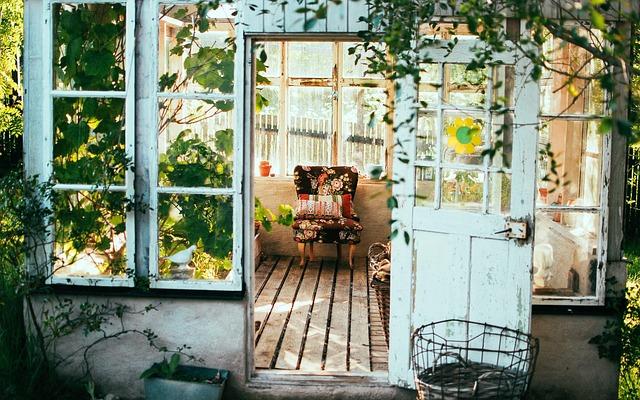
Flow should be defined before anything else. Entry points should guide movement naturally, and pathways should connect spaces without forcing direction. When transitions feel smooth, the area begins to feel like an extension rather than a separate zone.
Consider a home where sliding doors open to a patio, yet the layout outside feels disconnected. The eye stops instead of continuing forward. When the layout is adjusted, that break disappears. The space feels larger, more open and more inviting.
Let The Ground Tie Everything Together
Ground-level elements quietly shape how the entire space is experienced. The surface underfoot, the transitions between materials and the condition of the base all influence the overall feel. This becomes especially important in areas where sod is used to create a clean, continuous foundation across the space. When these elements are consistent, the space feels complete. But make sure to opt for a premium sod installation service because uneven turf, patchy growth or poor drainage can disrupt the entire look and make the area feel unfinished. A well-installed lawn creates a clean, consistent base that connects different sections of the outdoor area.
Hard surfaces should also be chosen carefully. Stone, concrete or wood finishes should complement interior flooring rather than contrast sharply. When materials feel related, the transition between spaces becomes more natural.
Have these foundational details been given enough thought? They are often overlooked, yet they carry the most visual weight.
A strong base supports everything above it – and that support defines how the space is perceived.
Bring Indoor Comfort Outside Without Overdoing It
Outdoor spaces should feel comfortable, yet they should not mimic interiors completely. The goal is to carry over key elements without losing the character of the exterior. Balance is what makes this work.
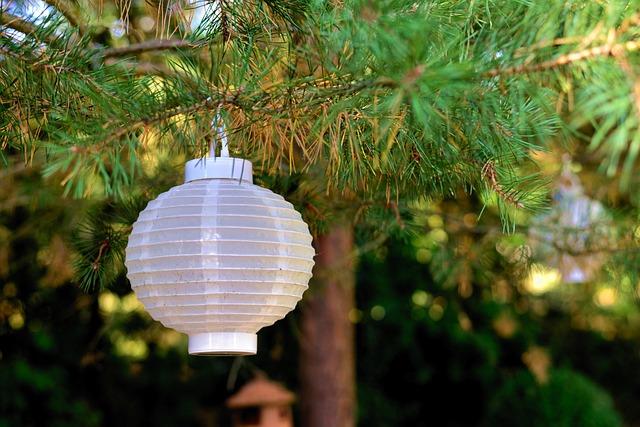
Seating should be arranged to encourage conversation, not just for visual appeal. Shade should be planned thoughtfully, whether through structures or natural placement. LED lighting can add that extra lift, but it should extend usability into the evening without overwhelming the space.
Picture a setting where a family gathers outside in the evening. Seating is placed thoughtfully, lighting is soft and the space feels inviting. The experience mirrors indoor comfort, yet the setting remains distinctly outdoors.
Is comfort being prioritized, or is the space designed only for looks? That distinction matters more than expected.
Comfort should feel natural – not forced. When done right, it encourages regular use rather than occasional visits.
Details That Make The Space Feel Intentional
Smaller elements often determine whether an outdoor area feels complete or unfinished. These details may not stand out individually, yet they shape the overall impression. Consistency is key when working with them.
- Lighting fixtures should match the style and scale of the home
- Outdoor rugs should define seating areas without overwhelming the space
- Planters should be placed with purpose, not scattered randomly
- Furniture finishes should align with the overall design direction
- Decorative elements should be limited to avoid visual clutter
Each of these choices contributes to the overall composition. When aligned, they create a sense of order and cohesion.
In addition, this is also where many homeowners tend to overspend, assuming better results require bigger budgets. In reality, curb appeal can be improved through simple, consistent care rather than constant upgrades. Regular maintenance often delivers more impact than expensive additions.
Keep It Consistent, Keep It Used
A well-designed outdoor area should not sit unused. It should invite daily interaction and feel like part of the home’s routine, which depends on consistent design and upkeep. Materials should be maintained, surfaces should stay clean and edges should remain defined so the space continues to feel fresh.
Think of a space where furniture fades and surfaces collect debris. The design has not changed, yet the connection weakens. Consistent upkeep prevents that shift and keeps the space relevant.
Is the space being used as intended, or just maintained for appearance? That answer reveals whether the design truly works.
When flow, materials and function align, the result feels natural. The space becomes part of the home, not just an extension of it.