
How to Tell if a Supplement Is Genuinely High Quality
This post contains affiliate links. Click here to read my affiliate policy.
Last Updated on June 11, 2026
Walk down any vitamin aisle and the bottles blur together. They make similar promises. They wear similar earthy colors. Yet prices swing from a few dollars to a small fortune for the same-looking thing.
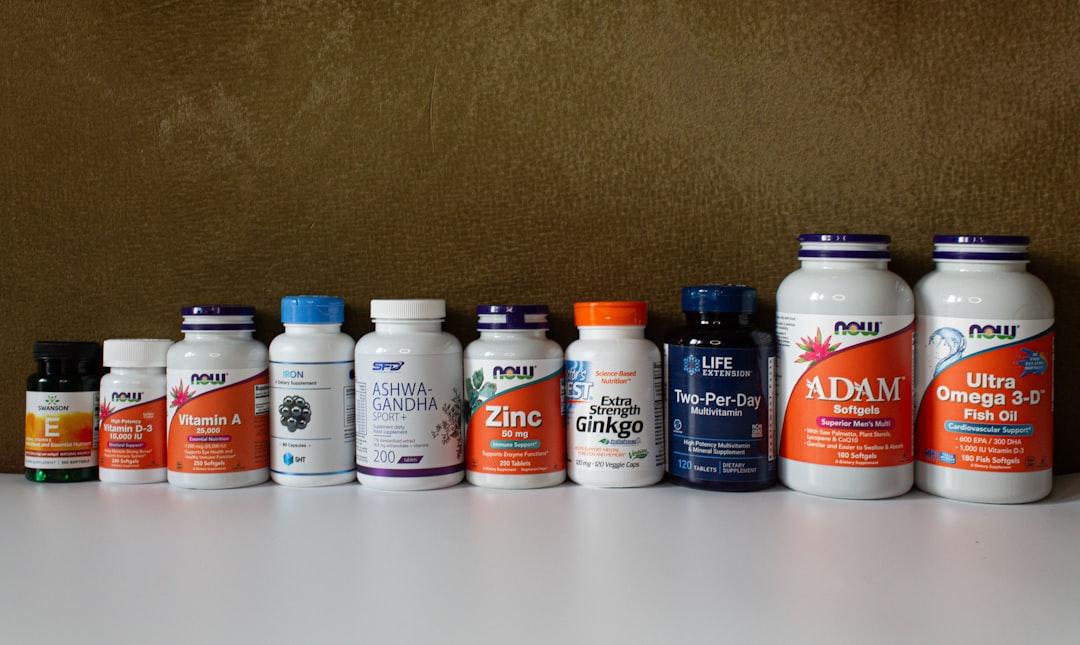
The real gap is how a product was made and tested, not how it was packaged. That distinction is the whole business of a private-label producer like Superior Supplement Manufacturing. Formulation, sourcing, and lab verification all happen before a bottle reaches a shelf. Knowing what those producers check for is a shortcut. You can read the same signals and judge quality before you buy.
What Separates a High-Quality Supplement From a Cheap One?
Quality lives in three places: the ingredients, the manufacturing process, and the testing that confirms both. A premium product gets all three right. A cheap one cuts corners on the parts you cannot see.
A supplement is a finished product built from raw materials that vary in purity. Two bottles of magnesium can hold different forms and contaminant levels even when the labels match. The body absorbs magnesium citrate well. It absorbs the cheaper oxide form poorly, though that form is often used to pad the dose number.
Manufacturing is the second variable. A good facility documents every batch, tests raw materials on arrival, and traces each lot to its source. The peer-reviewed work on supplement adulteration found that 14 to 50 percent of products in some categories tested positive for unlisted substances. That is a direct result of weak process controls.
How Do You Read a Supplement Label the Right Way?

Start with the Supplement Facts panel, not the marketing on the front. The panel holds the legally binding information. Reading it filters out most low-quality products in a minute. Use this order for any bottle:
- Check the active ingredient and its form, such as “vitamin D3 (cholecalciferol)” rather than just “vitamin D.”
- Confirm the dose against a known reference so you can tell a real dose from a token sprinkle.
- Count the servings, not the capsules. A bottle of 120 capsules at four per serving is a 30-day supply. That changes the cost per day.
- Scan the “other ingredients” line. Binders, fillers, artificial colors, and allergens hide there. A short list is a good sign.
- Look for a lot number and expiration date. Their absence signals weak tracking.
Front-of-bottle phrases like “supports immunity” are structure-function claims, not medical ones. They sound specific. They are also largely unregulated, so they should carry little weight.
Which Certifications Actually Mean Something?
Third-party certifications are the most reliable external signal. They come from organizations with no stake in the sale. A certification mark is a promise that an independent lab confirmed the contents match the label.
The marks worth looking for include:
- USP Verified comes from the United States Pharmacopeia, a nonprofit whose standards are recognized in federal law. It audits the facility, reviews documentation, and tests samples for identity, potency, and contaminants such as lead and arsenic. Federal supplement-safety guidance cautions that the word “verified” printed on a label is not a guarantee by itself, so it pays to match the mark to a real certifier.
- NSF Certified for Sport screens for roughly 280 banned substances. It is the mark recommended for athletes who face drug testing.
- Informed Sport runs lot-by-lot testing aimed at the same anti-doping concerns.
- cGMP registration confirms the facility follows federal manufacturing rules. It certifies the process, not the batch in your hand.
A certification is a verification step, not a marketing badge. Counterfeit logos sometimes appear on untested products. The safest move is to confirm the product on the certifier’s public registry. The check takes about two minutes.
What Manufacturing Red Flags Should You Watch for?
A handful of warning signs point to a lower-quality product. None of them require lab equipment to spot.
The clearest red flag is a “proprietary blend.” It groups ingredients under one total weight, so the company never reveals how much of each is present. That hides a few milligrams of an expensive headline ingredient behind cheap filler. A transparent label lists every ingredient with its own amount.
A second flag is missing contact information, a batch number, or a country of origin. A third is a price far below the category average. Real materials and testing cost money. A product priced at a quarter of its peers saved it somewhere unseen.
Contamination ties these flags together. Independent testing has found heavy metals such as lead, cadmium, and arsenic in unscreened products. Those metals come from plants grown in polluted soil. A producer that tests incoming materials catches the problem before you do.
Five Quality Checks to Run Before You Buy
A short summary to carry into the store:
- Read the Supplement Facts panel first, and treat front-of-bottle claims as marketing.
- Favor named ingredient forms and honest doses over blends.
- Look for a genuine mark like USP Verified, then confirm it on the certifier’s registry.
- Avoid proprietary blends, missing batch numbers, and prices that undercut the category.
- Two products with the same label can be made to very different standards.
These habits pair well with articles on supplements for brain health. Ingredient quality decides whether a daily routine does anything.
Putting Supplement Quality Into Practice
Choosing a good supplement is less about chasing the perfect product. It is more about screening out the weak ones. Once you can read a label, recognize a real certification, and spot the shortcuts, the aisle sorts itself into a short list worth your money. A focused guide on joint health supplements becomes far more useful once you can weigh those signals.
Frequently Asked Questions
Are More Expensive Supplements Always Better?
Not always, but extremely cheap supplements are almost always worse. Real raw materials and third-party testing cost money. A product priced far below its category usually saved that money on quality. Aim for fair value on verified contents, not the highest price.
Does the FDA Test Supplements Before They Are Sold?
No, it does not. The FDA does not approve or test supplements for safety and effectiveness before sale the way it does for prescription drugs. It sets manufacturing rules and acts only after a problem appears. That gap is why independent third-party certification carries so much weight before you buy.
What Is a Proprietary Blend and Why Is It a Problem?
A proprietary blend lists ingredients under one combined weight rather than individually. It hides how much of each you are getting. A company can then feature an expensive ingredient on the label while including only a trace amount.
How Can I Verify a Certification Mark Is Real?
Look up the product on the certifying organization’s public registry. USP and NSF both maintain searchable databases online. If the exact product and brand do not appear, treat the printed seal as unverified. Counterfeit or expired marks occasionally appear on untested bottles.