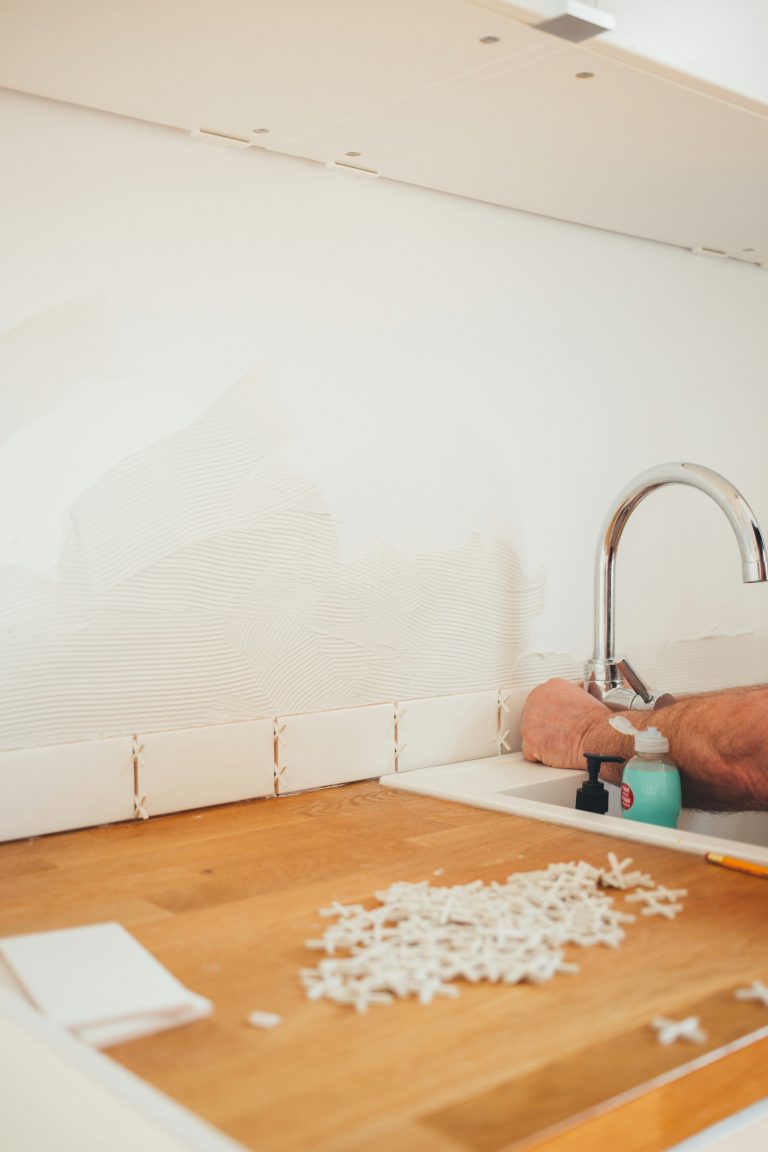
Tips for Renovating and Repairing Your Home Without Overspending
This post contains affiliate links. Click here to read my affiliate policy.
Last Updated on October 23, 2026
There’s something exciting about making changes to your home. Maybe you’ve been wanting to refresh the kitchen, finally fix that leaky faucet, or turn a cluttered corner into a space your family can actually use.
Of course, home renovations can get expensive quickly. Between materials, tools, and labor, even a small project can cost more than you expected.
The good news is that you don’t have to tackle everything at once. A few thoughtful changes can make your home more comfortable, practical, and welcoming without stretching your budget too far.
Whether you’re planning a weekend DIY project or a bigger renovation, knowing where to start can save you time, money, and frustration.
Here are some simple tips for renovating and repairing your home while keeping your budget and everyday family life in mind.
Start With What Your Home Really Needs
Before picking out new paint colors or shopping for furniture, take a walk through your home.
Look at each room and ask yourself what isn’t working.
Maybe the kitchen needs better storage. Perhaps the bathroom has worn fixtures, or the living room could use a fresh coat of paint.
It’s easy to get excited about the fun decorating projects, but necessary repairs should come first.
A leaking pipe, damaged flooring, or electrical problem can become more expensive if you leave it alone.
Make a list of everything you’d like to change. Then divide it into three groups:
- Repairs that need attention soon
- Improvements that make daily life easier
- Decorative updates that can wait
This simple step helps you spend money on what matters most.
It also makes the renovation feel less overwhelming because you have a clear place to start.
Create a Budget You Can Actually Follow
One of the biggest mistakes homeowners make is starting a project without knowing how much it will cost.
That beautiful new kitchen countertop might look perfect online, but you also need to consider installation, supplies, and other expenses.
Start by listing everything you’ll need for the project.
Include materials, tools, delivery charges, permits, and professional labor if required.
Then compare prices before buying anything.
You may find that a similar product costs less at another store or that an existing item can be repaired instead of replaced.
It’s also smart to set aside some extra money for surprises.
For many renovation projects, keeping an additional 10% to 20% available can provide a useful cushion. Older homes or projects involving hidden plumbing and structural work may need more.
If something unexpected comes up, you’ll have a little more room to handle it without putting the entire project on hold.
Choose Materials That Fit Your Home and Budget
You don’t always need expensive materials to create a beautiful space.
The best choice is often something that looks good, handles everyday use, and doesn’t require constant maintenance.
For flooring, you might compare laminate, luxury vinyl, tile, or hardwood. Each has different costs, care requirements, and levels of moisture resistance.
Think about how your family uses the room.
A busy entryway where kids regularly track in dirt needs something different from a quiet bedroom.
The same idea applies to countertops, cabinets, and wall finishes.
If you’re updating your kitchen, look for materials that are easy to clean and durable enough for daily cooking.
You can also explore more environmentally conscious options, such as recycled materials or low-VOC paints.
And don’t overlook what you already own.
Refinishing a sturdy cabinet or painting an old bookshelf can sometimes give you the look you want without buying something new.
Use the Right Tools for DIY Projects
Having the right tools can make a home project much easier.
You don’t need a garage full of expensive equipment, especially if you’re only planning a few small updates.
Start with the basics.
A measuring tape, hammer, screwdriver set, level, and cordless drill can handle many simple home improvement jobs.
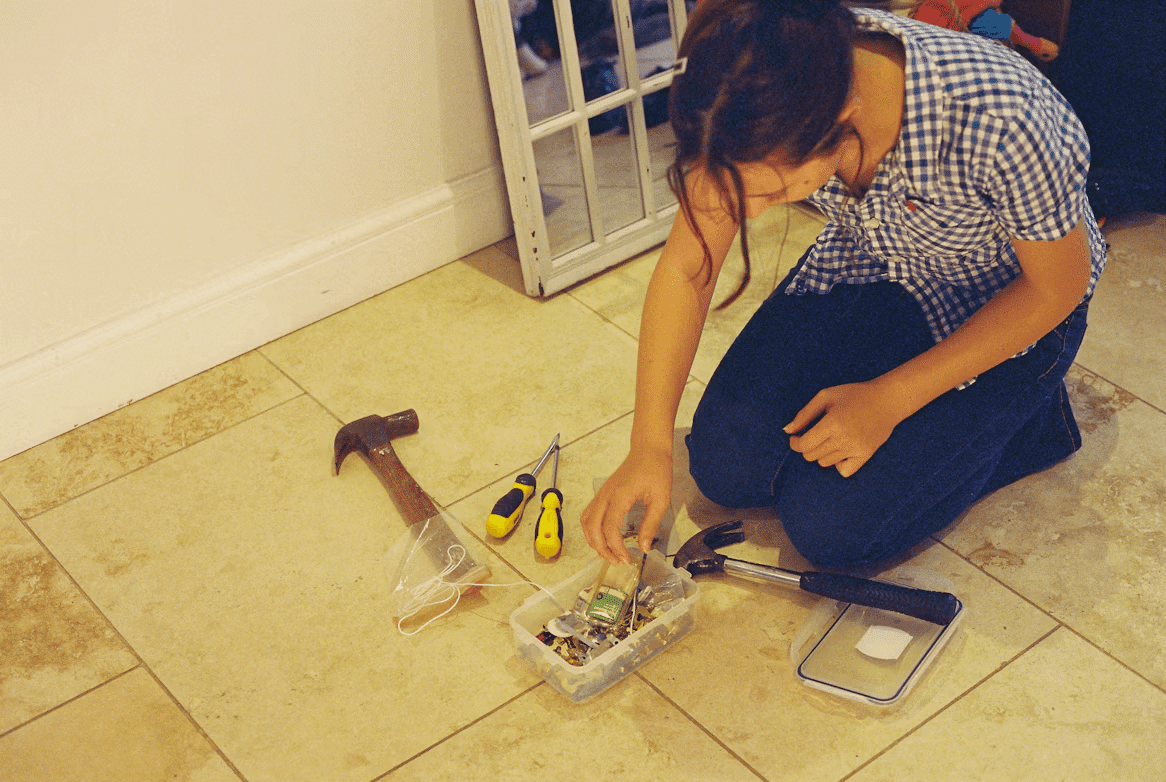
If you want to refinish furniture, a sander may be helpful. For shelving or small woodworking projects, you may need additional tools.
Before buying anything, think about how often you’ll use it.
If your shopping list leads you to search for online tools Canada, compare the features and prices of drills, sanders, and other equipment before choosing what fits your project.
You might also be able to borrow or rent a tool you’ll only need once.
That can be a smart way to save money while still getting the job done properly.
Always follow the manufacturer’s instructions and use suitable safety equipment when working with tools.
Know Which Projects You Can Do Yourself
Doing some renovation work yourself can save money and make the finished space feel more personal.
Painting walls, replacing cabinet handles, organizing closets, and adding simple shelves are projects many homeowners can learn to handle.
You can even involve the family in suitable tasks.
Kids might enjoy helping choose paint colors, organizing storage baskets, or decorating a room once the messy work is finished.
It can turn a home improvement project into something everyone feels part of.
Still, not every repair should be a DIY job.
Electrical wiring, major plumbing changes, structural repairs, and certain roofing projects need professional experience.
Trying to fix these problems without the right skills can create safety risks and lead to more expensive repairs later.
Be realistic about what you know how to do.
There’s nothing wrong with calling a professional when a job goes beyond your experience.
Make Small Updates Before Replacing Everything
Sometimes, the things that make a room feel outdated are surprisingly easy to change.
An old kitchen may look much better with freshly painted cabinets and new hardware.
A bathroom can feel cleaner and brighter with a new mirror, updated lighting, and fresh towels.
Even changing a few details in the living room can make the space feel different.
Before planning a complete remodel, ask whether you can refresh what you already have.
Consider these affordable improvements:
- Repaint walls or cabinets
- Replace worn cabinet handles
- Add hooks or floating shelves
- Update curtains or window coverings
- Refresh old furniture
- Change decorative accessories
- Reorganize crowded storage areas
These changes may seem small, but they can make a big difference when everything comes together.
You can also spread them across several weekends instead of paying for everything at once.
Keep Your Renovation Organized
A home project becomes much harder when you can’t find your supplies, receipts, or measurements.
Before starting, choose one place to keep important information.
A simple folder or notebook works well.
Write down measurements, paint colors, product details, costs, and any work that needs to be completed.
If you’re hiring contractors, keep copies of estimates, contracts, and payment records.
It also helps to make a basic schedule.
For example, you might plan to paint the walls one weekend, update hardware the next, and finish with decorating after that.
Try not to work on too many rooms at once.
Living with half-finished projects throughout the house can become frustrating, especially when you have children and a busy family routine.
Finishing one space before moving to another often makes the process easier to manage.
Plan Around Your Family’s Daily Routine
Renovations can disrupt everyday life.
A kitchen update may affect how you prepare meals. Bathroom repairs can make mornings more difficult, and painting a bedroom may mean moving furniture for a few days.
Think about those details before work begins.

If you’re renovating the kitchen, set up a temporary area for simple meals and snacks.
Keep frequently used items somewhere easy to reach.
If children are at home, create a safe area away from tools, dust, paint, and construction materials.
For bigger projects, talk with your contractor about which rooms will be unavailable and for how long.
A little preparation can make the process much less stressful for everyone.
Check Permits and Local Building Rules
Some home improvements require permits or inspections.
The rules depend on where you live and what kind of work you’re planning.
Small decorative projects usually don’t need the same approvals as structural changes, major electrical work, or home additions.
Before starting a larger project, contact your local building department or check its website.
Find out whether you need permission for the work and who is responsible for arranging inspections.
If you’re hiring a contractor, ask about licensing, insurance, and permit requirements before signing an agreement.
Taking care of these details early can help you avoid delays and problems later.
Consider Simple Energy-Saving Upgrades
Renovating can also be a good time to make your home more comfortable and efficient.
You don’t have to install an expensive smart home system to see improvements.
Start with simple things.
Weatherstripping around drafty doors, sealing suitable gaps, and switching to efficient lighting may help reduce unnecessary energy use.
A programmable or smart thermostat can also be useful if it’s compatible with your heating and cooling system.
If you’re already replacing an appliance, compare energy use as well as the purchase price.
A less expensive model isn’t always the most affordable choice over several years.
Think about which improvements will make daily life easier and which ones fit your budget.
You can always leave larger upgrades for another time.
Add Personal Touches That Make the Space Feel Like Home
Once the repairs and bigger updates are finished, you can focus on the fun part.
Decorating doesn’t have to cost much.
Family photos, handmade decorations, soft blankets, and a few plants can make a room feel warm and inviting.
Try shopping around your home before heading to the store.
A basket from the bedroom might work as storage in the bathroom. An old wooden tray could become part of a coffee table display.
You might even have furniture that would look beautiful with a fresh coat of paint.
If you enjoy craftin