
How to Save Money on Winter Preparation
This post contains affiliate links. Click here to read my affiliate policy.
Last Updated on October 23, 2026
Preparing your home for winter doesn’t have to mean spending a fortune. Between higher heating bills, winter clothing, grocery expenses, and outdoor maintenance, seasonal costs can quickly put pressure on the family budget. Fortunately, a little preparation can help you avoid unnecessary expenses while keeping your home comfortable and your family ready for colder weather.
The key is to focus on practical improvements, make the most of what you already own, and plan purchases before winter weather arrives. From preparing affordable meals to improving home insulation, small changes can make a meaningful difference to your household expenses.
Here are some budget-friendly ways to prepare for winter without overspending.
Make Your Home More Energy Efficient
Heating is often one of the biggest household expenses during winter. Before increasing the thermostat, look for simple ways to prevent heat from escaping your home.
Start by checking windows and exterior doors for drafts. Small gaps can allow cold air inside, forcing your heating system to work harder. Affordable weatherstripping, draft stoppers, and caulking can help seal these areas and improve indoor comfort.
Heavy curtains can also help reduce heat loss through windows. Open them during sunny afternoons to take advantage of natural warmth, then close them in the evening to help retain heat.
If your household has a programmable thermostat, adjust the heating schedule around your family’s routine. Lowering the temperature when everyone is asleep or away from home can reduce energy consumption, provided the temperature remains safe for household members, pets, and plumbing.
Before winter begins, inspect your heating system and replace or clean filters according to the manufacturer’s instructions. Regular maintenance helps equipment operate properly and may prevent expensive repairs during the coldest months.
Prepare Your Walkways Before Snow Arrives
Winter preparation isn’t limited to the inside of your home. Snow and ice can make driveways, steps, and sidewalks slippery, creating safety concerns for everyone in the household.
Keeping basic supplies ready can save time and help you avoid expensive last-minute purchases when a storm is approaching. A sturdy snow shovel, outdoor broom, and an appropriate ice melter are useful additions to your winter maintenance supplies, particularly in areas where freezing temperatures and icy conditions are common.
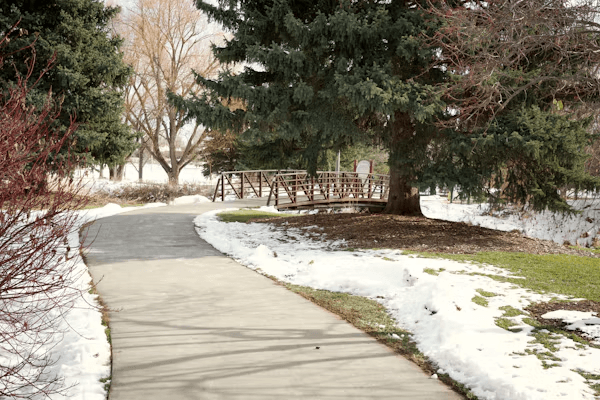
Remove snow promptly when it is safe to do so, rather than allowing it to become compacted. This can reduce the amount of deicing material needed later.
When purchasing ice-melting products, compare prices by weight and consider how much your household will realistically use. Buying a larger package may offer better value if you have sufficient storage space and expect frequent snowfall, but smaller quantities can be more economical for occasional use.
Check product instructions carefully, especially if you have pets, children, concrete surfaces, or garden beds near treated areas. Some formulations can affect vegetation or certain outdoor materials. Use only the recommended amount and store supplies securely away from children and animals.
Planning ahead helps you maintain safer outdoor spaces while keeping winter maintenance costs under control.
Plan Affordable Winter Meals
Cold weather often brings cravings for warm, comforting meals, making winter a great opportunity to prepare more food at home.
Instead of relying on takeout or frequent grocery trips, build a weekly meal plan around affordable pantry staples. Ingredients such as dried beans, lentils, rice, potatoes, oats, and seasonal vegetables can form the foundation of filling, budget-friendly dishes.
Soups, stews, casseroles, and slow-cooker meals are particularly useful during winter because they can provide several servings from relatively inexpensive ingredients.
Consider cooking larger batches and freezing individual portions for busy evenings. Having homemade meals ready can reduce food waste and make it easier to avoid unplanned spending.
Before shopping, check your pantry and freezer to see what you already have. Build meals around those ingredients and look for grocery discounts on items your family regularly uses.
You can also involve children in simple meal preparation tasks, such as washing vegetables, measuring ingredients, or helping plan the week’s dinners. Cooking together makes meal planning a family activity while teaching useful money-saving habits.
Save Money on Winter Clothing and Bedding
Preparing for colder temperatures doesn’t always require buying an entirely new winter wardrobe.
Start by sorting through your family’s existing coats, sweaters, boots, and blankets. Check which items still fit, which need minor repairs, and which can be reused for another season.
Layering clothes is an affordable way to stay comfortable indoors and outdoors. Thermal shirts, sweaters, warm socks, and insulated outerwear can help family members adjust to changing temperatures without depending entirely on indoor heating.
If children have outgrown their winter clothing, consider exchanging gently used items with friends or relatives. Thrift stores, community resale groups, and end-of-season sales can also offer affordable alternatives to buying everything new.
For the home, bring out heavier blankets, flannel sheets, and comfortable throws before temperatures drop. These simple additions can make bedrooms and living spaces feel warmer without requiring costly decorative updates.
Focus on buying durable essentials that your family will use regularly rather than purchasing seasonal items simply because they’re on sale.
Check Appliances Before Replacing Them
When trying to lower energy bills, replacing old appliances might seem like an obvious solution. However, purchasing new equipment can be expensive, and the savings may take years to offset the initial cost.
Before upgrading, determine whether maintenance or a small repair could improve the performance of your existing appliances.
For example, cleaning refrigerator coils when recommended by the manufacturer, replacing clogged furnace filters, and keeping dryer vents clear can help household equipment function properly.
If an appliance genuinely needs replacing, compare its purchase price, estimated energy consumption, warranty, and expected lifespan. ENERGY STAR-certified models may offer long-term savings, depending on the appliance and how frequently your household uses it.
Avoid making expensive purchases without first considering whether the investment fits your current budget.
Protect Your Home and Outdoor Equipment
Small maintenance tasks completed before winter can help prevent costly problems later.
Inspect gutters and downspouts for leaves and debris so melting snow and rainwater can drain away from your home. Check for loose outdoor fixtures and store patio furniture, gardening tools, and other seasonal equipment in a dry, protected location.
If you live in an area where temperatures fall below freezing, identify outdoor faucets and exposed pipes that may need protection. Disconnect garden hoses and follow local recommendations for winterizing plumbing.
Inspect snow shovels, boots, and other winter equipment before the first storm. Repairing or replacing a worn item ahead of time may be less expensive than making an urgent purchase during severe weather.
For tree branches near your home, consider professional help when trimming involves large limbs or work near power lines.
A seasonal home maintenance checklist can help you organize these tasks without feeling overwhelmed.
Enjoy Budget-Friendly Winter Activities
Saving money during winter doesn’t mean giving up family entertainment or special traditions.
There are plenty of inexpensive ways to enjoy the season without stretching your household budget. Depending on local weather and available facilities, families can explore nearby parks, visit community events, or enjoy outdoor winter activities.

At home, organize movie nights with homemade popcorn, bake cookies together, play board games, or start a family craft project using supplies you already own.
If you enjoy hosting friends and relatives, consider organizing a potluck dinner instead of preparing an entire meal yourself. Sharing dishes reduces hosting expenses while giving everyone an opportunity to contribute.
Holiday decorations can also be reused or made at home. Simple crafts using paper, fabric scraps, or natural materials can bring a festive feeling to your living space without requiring expensive seasonal purchases.
The goal is to create enjoyable family memories rather than spend money on activities that add unnecessary financial pressure.
Set Aside a Small Winter Emergency Fund
Even with careful preparation, unexpected winter expenses can arise. A heating system may need repairs, a storm could damage outdoor equipment, or a family member may require additional winter supplies.
Setting aside a small amount of money each week can create a financial cushion for these situations.
Start by listing your expected seasonal expenses, including heating, groceries, clothing, transportation, and home maintenance. Compare the total with your available budget and identify areas where you can reduce spending.
Keep emergency savings separate from money intended for holiday shopping or entertainment. Even modest contributions can help reduce the financial impact of an unexpected expense.
Planning for these costs ahead of time makes it easier to manage winter without relying heavily on credit or disrupting other household priorities.
Make Winter Preparation a Family Routine
Getting ready for winter is easier when the entire household participates. Give each family member age-appropriate responsibilities, such as organizing winter clothes, helping with meal planning, or checking that everyday supplies are available.
Start with the most important tasks, particularly those related to heating, home safety, and essential household needs. Spread less urgent purchases across several weeks to avoid overwhelming your budget.
Winter preparation doesn’t have to involve expensive upgrades or complicated projects. By improving energy efficiency, planning affordable meals, maintaining outdoor spaces, and making thoughtful purchasing decisions, you can keep your family comfortable while protecting your finances.
A little preparation now can help you spend less time worrying about unexpected costs and more time enjoying the comforts of home throughout the winter season.