
What Happens When a Commercial Truck Causes a Serious Crash?
This post contains affiliate links. Click here to read my affiliate policy.
Last Updated on October 16, 2026
Raleigh, North Carolina, sits at the center of a growing region where busy interstates and major routes carry commercial traffic alongside daily commuters. When a serious collision involves a large truck, the aftermath can leave an injured person facing painful recovery, time away from work, damaged property, and uncertainty about who should be responsible. These cases can become difficult because responsibility may extend beyond the driver to a trucking company, maintenance provider, cargo handler, or another business connected to the vehicle.
For someone seeking legal assistance, understanding these relationships can help clarify where a claim may lead and what information deserves attention. Questions about insurance coverage and responsibility often arise when a commercial truck causes a crash, especially when several companies played a role in the trip. Legal guidance can help an injured person understand those issues and protect their position. That foundation makes it easier to approach the investigation and the decisions that follow with much greater clarity, confidence, and purpose.
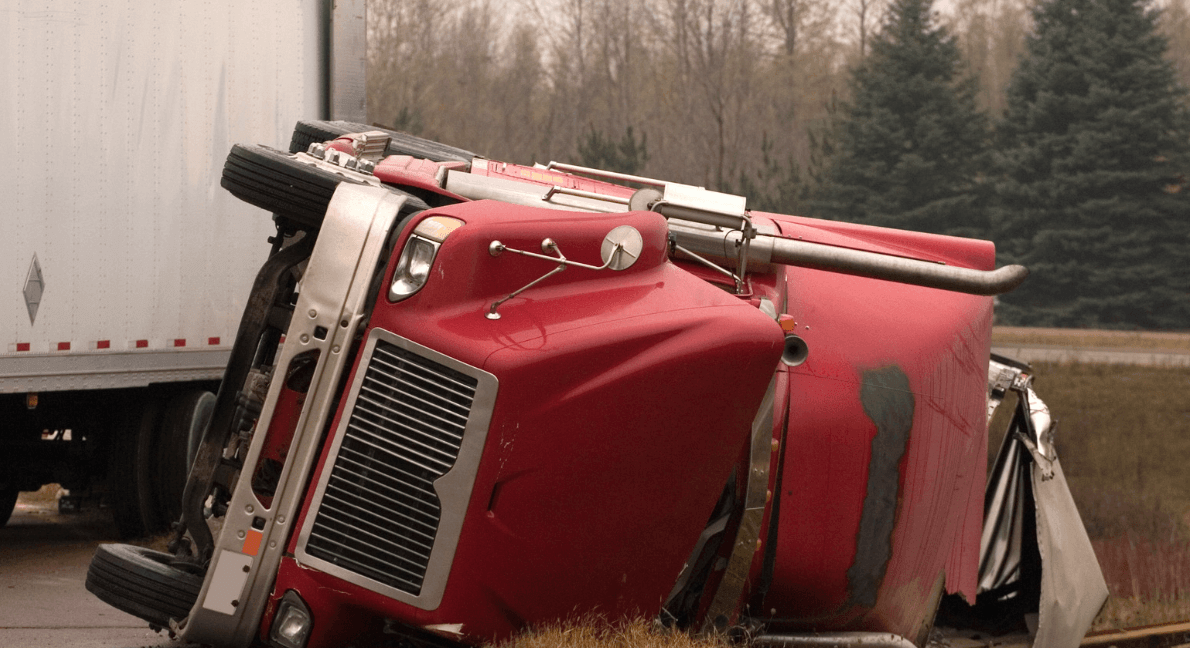
Immediate Steps After The Crash
Emergency responders usually document the scene, assess injuries, and create an initial crash report. Injured people should provide accurate information, photograph visible injuries, and, when possible, preserve damaged clothing or personal property.
Start medical treatment promptly, even if symptoms seem manageable. Some injuries appear hours or days later, including brain trauma, internal bleeding, spinal damage, and soft-tissue injuries. Medical records link the crash to the diagnosis and document the needed treatment.
Insurance companies often contact victims soon after a crash. A claims representative may request a recorded statement or broad medical authorization. The injured person should review those requests carefully because early statements can affect liability and compensation.
How Liability Is Determined
A truck crash investigation examines driver conduct, company practices, vehicle condition, and cargo handling. A driver could face responsibility for speeding, distraction, fatigue, impairment, or unsafe lane changes.
The trucking company could share liability if it hired an unqualified driver, ignored safety violations, encouraged excessive driving hours, or failed to maintain the vehicle. Federal and state trucking rules also create records that can clarify whether the carrier followed required safety procedures.
Other parties can also contribute to a collision. A maintenance contractor could be responsible for defective repairs, while a cargo loader could face liability for improperly secured freight. The truck owner, motor carrier, manufacturer, and insurer may each play a different role in the claim.
Evidence That Can Strengthen A Claim
A thorough investigation should preserve evidence before companies alter, lose, or destroy it. Important materials often include:
- The police crash report and photographs from the scene.
- Driver qualification files, training records, and employment history.
- Hours-of-service logs, electronic data, and dispatch communications.
- Inspection reports, repair invoices, and maintenance schedules.
- Cargo-loading records, bills of lading, and weight information.
- Truck cameras, nearby surveillance footage, and witness statements.
Accident reconstruction can explain vehicle speeds, braking distances, impact points, and roadway conditions. Black-box data can also show changes in speed, braking, steering, and other vehicle inputs before impact.
Compensation Available After A Serious Crash
A successful claim can seek payment for collision-related losses. Medical expenses include emergency treatment, hospital care, surgery, medication, rehabilitation, and future care.
An injured person can also seek lost wages and reduced earning capacity when an injury prevents work or limits future employment. Property damage covers vehicle repairs or replacement and damaged personal belongings.
Serious injuries also create nonfinancial harm. Compensation can address physical pain, emotional distress, permanent disability, disfigurement, and the loss of normal activities. The value of these damages depends on medical evidence, recovery progress, and the injury’s effect on daily life.
Why Truck Claims Require Careful Handling
Commercial truck claims often involve larger insurance policies and multiple adjusters, but that does not guarantee fair payment. Insurers review liability, medical records, prior health conditions, employment history, and the need for future treatment.
North Carolina also follows contributory negligence rules. If an injured person’s own negligence contributed to the crash, the insurer may argue that the person cannot recover damages. That makes accurate evidence and consistent medical documentation especially important.
Victims should avoid posting about the crash or discussing fault publicly. They should also keep a file with medical bills, wage records, appointment notes, insurance letters, photographs, and witness contact information.
Time Limits And Legal Action
North Carolina law sets deadlines for filing personal injury claims. The exact deadline depends on the facts, the parties involved, and the type of claim. A delayed investigation can leave critical records unavailable before legal action begins.
A prompt case review allows counsel to identify possible defendants, preserve evidence, calculate damages, and address insurer communications. It also gives the injured person a clearer plan for medical care and financial decisions during recovery.
Conclusion
A serious commercial truck crash requires more than an insurance claim and a repair estimate. Medical records, driver logs, maintenance files, cargo documents, and witness accounts can determine who pays for the damage. Injured people should avoid recorded statements, preserve evidence, and track every financial loss. The next practical step is to gather the crash report and medical records, then arrange a timely case review before evidence disappears or a filing deadline expires.