Preparing for Wedding Portraits Without Feeling Overwhelmed
This post contains affiliate links. Click here to read my affiliate policy.
Last Updated on October 16, 2026
Wedding portraits can become some of the most recognizable images from a celebration. They may feature the couple together, formal photographs with family, or relaxed pictures with friends. Yet the thought of standing in front of a camera can make some people uncomfortable, especially when they are already managing a busy wedding schedule.
The good news is that couples do not need to know how to pose professionally to have photographs they love. A little preparation, clear communication, and realistic expectations can make the process much easier.
Decide Which Portraits Matter Most
Before the wedding, couples should think about the photographs they would most regret missing. This might include a portrait with grandparents, a picture of the entire wedding party, or a quiet moment together before the reception begins.
Creating a short priority list helps the photographer plan the available time. It also reduces the likelihood that the couple will feel pressured to complete an endless list of combinations.
Family portraits often benefit from additional organization. If certain relatives need to leave early or if large family groups are involved, sharing that information in advance can help the photographer arrange the order efficiently.
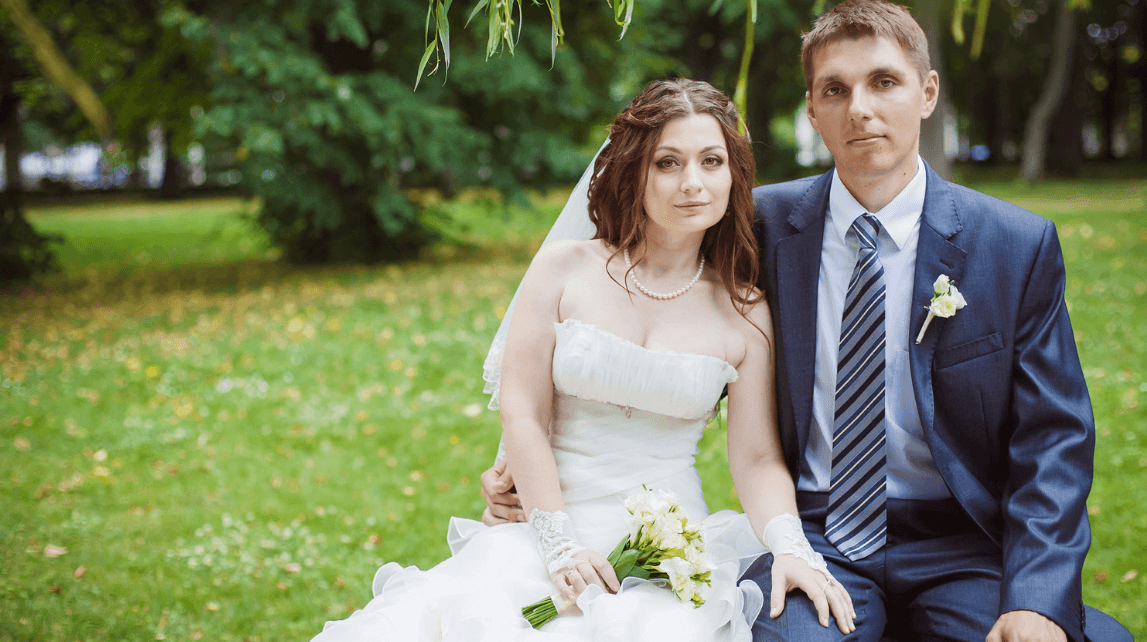
Choose Wedding Portrait Locations With Practical Needs in Mind
A beautiful background is useful, but it should not be the only consideration when selecting portrait locations. The couple may need privacy, comfortable walking conditions, shade, or protection from changing weather.
The distance between locations also matters. Traveling across a large property for several different backgrounds can consume valuable time, particularly when the wedding schedule is already full. Choosing a few nearby spots may provide enough variety without requiring unnecessary movement.
Couples can ask their photographer to recommend locations based on the venue and the available light. The best wedding photographer for a particular couple should be someone whose style and approach suit their needs, including the way portraits are planned and directed.
Allow Enough Time for the Session
Portraits can take longer than expected when there are several people involved. Family members may need help gathering, clothing may need small adjustments, and some guests may not hear the first request to join the group.
Rather than scheduling every portrait back-to-back with no flexibility, couples should build a buffer into the timeline. This creates room for small delays without making the rest of the day feel rushed.
It can also help to designate a reliable member of the wedding party to assist with gathering family members. The photographer can then focus on taking pictures instead of searching for people throughout the venue. Portraits also share the schedule with everything else, from the ceremony to the meal, so it helps to plan the wedding catering timeline around them.
Wear Clothing That Allows Comfortable Movement
Wedding attire is usually selected for appearance, but comfort matters during photographs as well. Shoes that are difficult to walk in, restrictive clothing, or accessories that require constant adjustment can make a portrait session more tiring.
Couples should practice moving around in their wedding outfits before the event if possible. This can reveal whether a hem needs adjustment or whether certain accessories are likely to become inconvenient.
Small preparation steps, such as bringing comfortable shoes for walking between portrait locations, can make a difference. Any change of footwear should be coordinated with the schedule so there is no last-minute confusion.
Relax Instead of Trying to Perfect Every Pose
Some people feel awkward because they do not know what to do with their hands or where to look. A photographer can provide simple direction, but couples do not need to memorize a series of poses in advance.
Natural movement often helps people feel less self-conscious. Walking together, talking, or sharing a quiet moment can produce expressions that feel more authentic than holding a pose for an extended period.
It is also normal to feel nervous at first. Couples can tell the photographer if they are uncomfortable in front of the camera, allowing the session to begin with easier poses and become more relaxed over time.
Remember That the Day Is Not a Photo Shoot Alone
Photography is an important part of preserving wedding memories, but it should not take over the celebration. Couples deserve time to enjoy their guests, participate in traditions, and experience the day rather than viewing every moment as a photographic opportunity.
A realistic plan for your wedding portraits helps protect that balance. By prioritizing important images, choosing practical locations, and communicating openly with the photographer, couples can capture meaningful photographs without feeling that the entire day revolves around the camera.
The goal is not to create a flawless performance. It is to preserve a genuine record of the people, emotions, and relationships that made the wedding worth celebrating.