The 5 Birthday Party Foods You Forgot That Guests Secretly Miss
This post contains affiliate links. Click here to read my affiliate policy.
Last Updated on April 16, 2026
Birthday parties have a way of falling into patterns. The same cake, the same chips, the same predictable spread that looks fine but never really gets talked about. It’s not that anything is wrong with it, it’s just that something is missing. The foods people actually remember tend to be the ones that feel a little thoughtful, a little unexpected, and just indulgent enough to feel like a real celebration.
When you start bringing back the appetizers and desserts that quietly disappeared over the years, the whole tone of the party shifts. People linger longer, they go back for seconds without thinking about it, and suddenly the food becomes part of the experience instead of just background noise.

Desserts Beyond Cake
Cake will always have its place, but relying on it alone feels like stopping halfway through a good idea. The best birthday tables usually include something extra, something people didn’t realize they were hoping for until they saw it sitting there. Chocolate trays, mini pastries, or bite-sized sweets have a way of drawing people in because they feel easy and low commitment, but still indulgent.
One thing that tends to disappear quickly is a tray or box of birthday chocolate that everyone can partake in. It sounds simple, but it solves a quiet problem at most parties. Not everyone wants a full slice of cake, especially after a meal, but almost everyone will reach for a piece of chocolate. It feels casual, it’s easy to share, and it adds a layer of variety that cake alone can’t deliver. People snack, talk, and circle back without thinking twice, which is exactly what you want at a celebration.
The Comeback Of Finger Foods
There was a time when birthday parties leaned heavily on small, well-thought-out bites. Somewhere along the way, those got replaced with bigger, simpler options that are easier to prepare but not nearly as memorable. Bringing back finger foods changes the energy almost immediately. People don’t feel tied to a plate, and the whole thing becomes more social.
Mini sliders, stuffed mushrooms, or skewered bites tend to disappear quickly because they’re easy to grab and even easier to justify going back for. There’s also something about smaller portions that makes people feel like they can try everything without overthinking it. It creates a sense of abundance without requiring a massive spread, which is usually the sweet spot for hosting.
Chocolate As A Centerpiece
Dessert doesn’t always need to sit quietly off to the side. When chocolate becomes part of the visual setup, it naturally pulls people toward it. A well-arranged display, whether it’s layered on a tray, stacked in a box, or spread across a table, adds a sense of occasion without feeling overdone.
It also creates a different kind of interaction. People gather around it, compare what they’re picking, and end up talking more than they would over a traditional dessert setup. It’s not just about taste at that point, it becomes part of the rhythm of the party. You’ll notice guests returning to it throughout the night, not because they’re hungry, but because it’s there and it feels like part of the experience.
Making Space For Everyone
Food at a party doesn’t need to be complicated, but it does need to feel inclusive. When people can walk up to a table and immediately know there’s something there for them, it removes that subtle hesitation that can happen when options feel limited. That’s where variety starts to matter more than quantity.
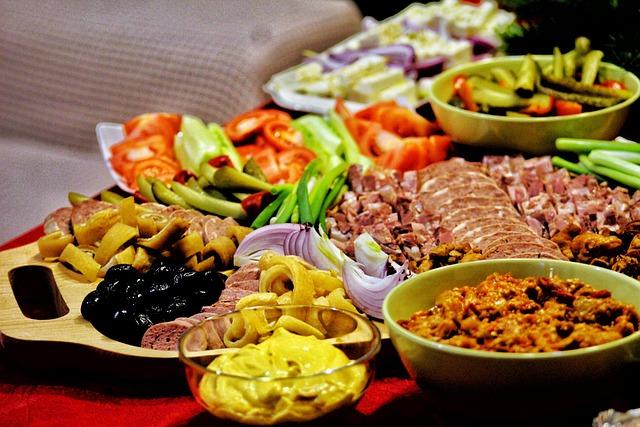
Adding gluten-free appetizers is one of those small adjustments that makes a noticeable difference. It doesn’t need to be a big announcement or a separate section, just a few options woven into the spread so they feel natural. Things like roasted vegetable skewers, cheese-based bites, or simple protein options work without drawing attention to themselves. The goal isn’t to make it a theme, it’s to make it seamless, so everyone can grab something without second-guessing it.
Balancing Sweet And Savory
A good party table moves between flavors without making it obvious. When everything leans too heavily in one direction, people lose interest faster than you’d expect. A mix of sweet and savory keeps things interesting and gives guests a reason to keep coming back.
Salty bites tend to reset the palate after dessert, and something sweet feels more satisfying after a savory snack. It’s a simple rhythm, but it works every time. You’ll notice people naturally alternating between the two, even if they don’t realize it. That balance keeps the table active instead of fading into the background after the first round of plates.
Why Variety Changes Everything
Variety doesn’t mean overloading the table or turning the party into a catering event. It’s more about choosing a few things that feel intentional instead of default. When guests see options that go beyond the expected, it signals that some thought went into the experience, even if the execution is simple.
That shift is what people respond to. They stay a little longer, they talk about the food without being prompted, and the party starts to feel more memorable without needing anything extravagant. It’s less about impressing anyone and more about creating a space where people feel comfortable enjoying themselves without overthinking it.
A Better Kind Of Birthday Table
The difference between a forgettable spread and one people actually enjoy usually comes down to a handful of choices. A mix of small bites, a thoughtful dessert setup, and a few inclusive options can completely change how a party feels without making it harder to host. When the food feels inviting instead of predictable, everything else tends to fall into place a little more easily.