
How to Repair Roofs and Gutters in Your Home
This post contains affiliate links. Click here to read my affiliate policy.
Last Updated on September 1, 2026
When it comes to home maintenance, we often overlook the roof and gutters. However, these parts are important for keeping your home safe from bad weather. A good roof protects you from storms, and working gutters move rainwater away to prevent leaks and erosion.
Neglecting these areas can lead to expensive repairs later, so it helps to know how to maintain them. Let’s look at how you can inspect and repair your roof and gutters.
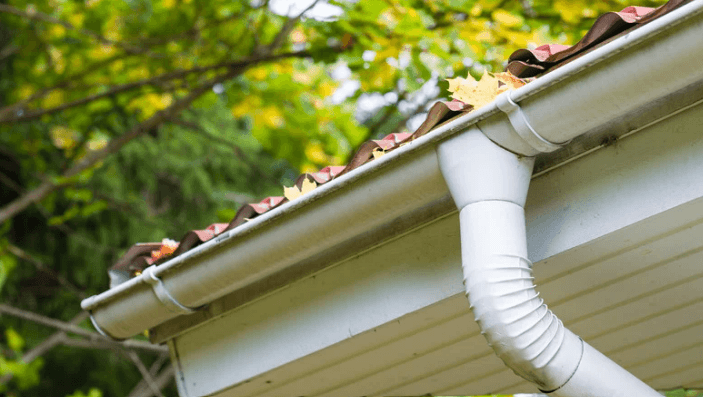
Roof Inspection
Inspect your roof regularly to help it last longer. You don’t need to be an expert to check it. Look for missing or damaged shingles that are curled, cracked, or completely gone. If you spot these issues, fix them quickly to stop water from getting in and causing interior damage.
Also, check the flashing, which is the metal that helps keep water away from joints and chimneys. Make sure there are no gaps and that it’s sealed properly. If you see rust or wear, you may need to replace it. Inspect your roof after heavy storms to catch problems early and avoid bigger issues later.
Repairing Shingles
Once you find damaged areas, it’s time to repair the shingles. If a few are missing or broken, it’s usually an easy fix. Gather your tools: new shingles, a pry bar, roofing nails, and a hammer. Use the pry bar to remove the damaged shingles carefully. Replace them by sliding them into place and securing them with nails. Follow the instructions that come with your new shingles to ensure proper installation.
If your roof is older and many shingles are affected, consider replacing the entire roof instead of fixing just a few pieces. This choice depends on the roof’s overall condition and age, as well as local weather conditions. Consulting a professional can help you make the best decision.
Cleaning Gutters
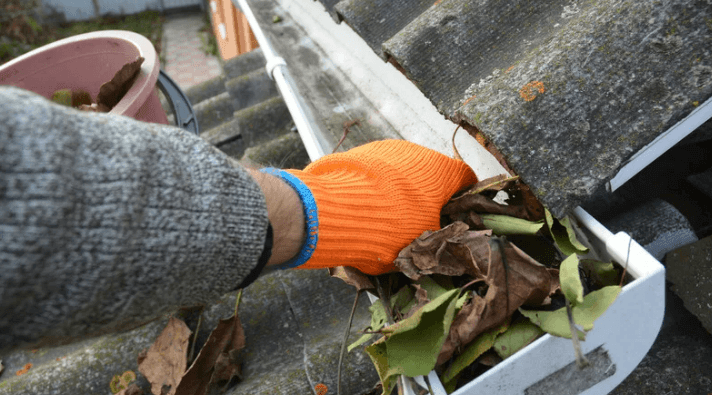
Cleaning your Surrey gutters is an easy but important part of home care. Debris like leaves and dirt can clog the gutters, causing water to overflow and damage your foundation. Clean your gutters twice a year: once in spring and once in fall.
To clean the gutters, gather tools like a sturdy ladder, gloves, a bucket, and a garden hose. Carefully climb up and remove debris by hand or with a scoop. Then use the garden hose to check the water flow. Make sure it moves freely without pooling. If you find clogs in the downspouts, use a plumber’s snake or a garden hose to clear them.
Repairing Gutters
Sometimes, gutters need repairs. Look for problems like leaks, rust, or sagging. For leaks, check the seams and corners where water might escape. You can often fix these with a high-quality sealant instead of replacing the entire gutter.
If your gutters are sagging or pulling away from the house, add new mounting brackets to secure them. Make sure the gutters are securely attached and sloped toward the downspouts so water flows properly. If the gutters are badly damaged, replacing them might be the best option to ensure good protection against water.
The Importance of Gutters
Gutters play a crucial role in protecting your home. They direct rainwater away from your roof and foundation, helping to prevent water damage. Regular upkeep helps them work effectively.
During heavy rain, gutters help keep water from pooling around your home’s foundation. This reduces the chances of basement flooding, mould, and expensive repairs. Keeping gutters clean and in good condition makes them last longer and work better.
Maintenance Tips
Establishing a regular maintenance routine keeps your roof and gutters in great shape. Inspecting them often, cleaning them on time, and fixing small issues quickly can extend their lifespan. Setting seasonal checks in your calendar helps you remember to maintain your gutters regularly.
Investing time in upkeep now can save you trouble later. A well-maintained roof and gutter system safeguards your home and can even boost its value. Remember, maintaining your roof and gutters is a smart way to protect your home and save money.
Preventing Ice Dams
In cold climates, ice dams can form on roofs and gutters, leading to serious damage. Ice dams form when warm air from your home heats the roof, melting snow. This water then refreezes at the eaves, creating ice that traps more water and can lead to leaks inside your home.
To prevent ice dams, make sure your attic is properly insulated and ventilated. This keeps the roof cold and helps prevent the snow from melting. In winter, consider using a roof rake to remove excess snow from the edges of your roof. This can lower the risk of ice dams forming, protecting your roof and gutters.
Professional Inspections
While homeowners can do regular inspections and maintenance, it’s smart to schedule occasional professional inspections. A roofing expert can find problems you might overlook, such as hidden signs of wear.
Having a professional check your roof and gutters every few years can help you spot issues early. They can also provide maintenance or repair advice. This proactive approach can save you from expensive repairs later and give you peace of mind knowing your home is safe. Investing in a professional inspection is a smart choice for anyone who wants to maintain their property effectively.