Turning Leftovers Into Meals Everyone Wants to Eat
This post contains affiliate links. Click here to read my affiliate policy.
Last Updated on October 16, 2026
Leftovers can make weeknight cooking easier, but only when people actually want to eat them. A container of plain rice or an unfinished roast may sit in the refrigerator for days if nobody has a clear plan for using it. The problem is not necessarily the food itself. Often, it is the expectation that leftovers must be served again in the same form.
With a little creativity, turning leftovers into meals that feel new is easier than it sounds, because yesterday’s dinner can become the starting point for something fresh. This can save preparation time, reduce food waste, and make grocery shopping more efficient.
Start With What You Already Have
Before planning another meal, take a quick look through the refrigerator. Identify ingredients that need to be used soon and think about which ones could work together.
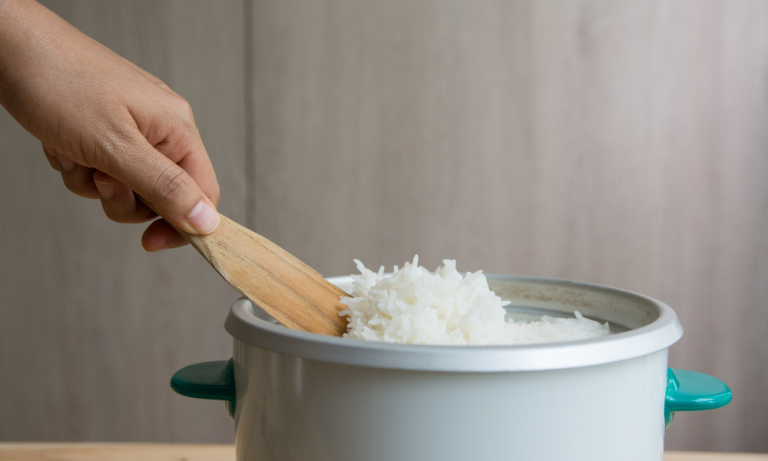
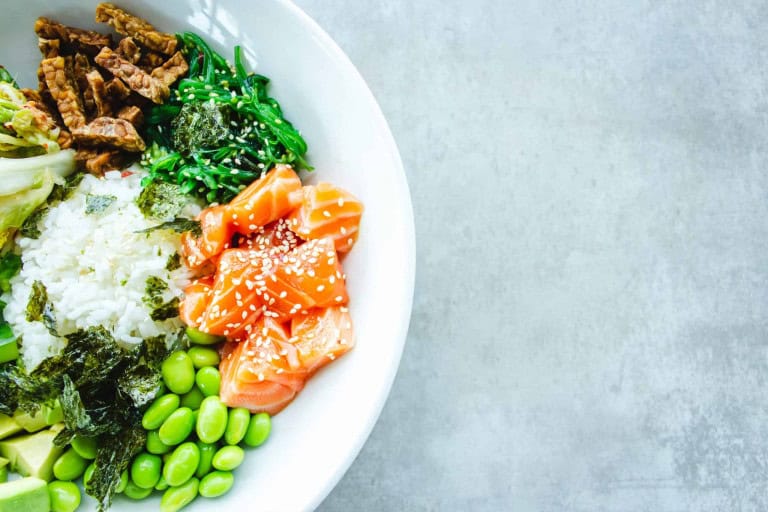
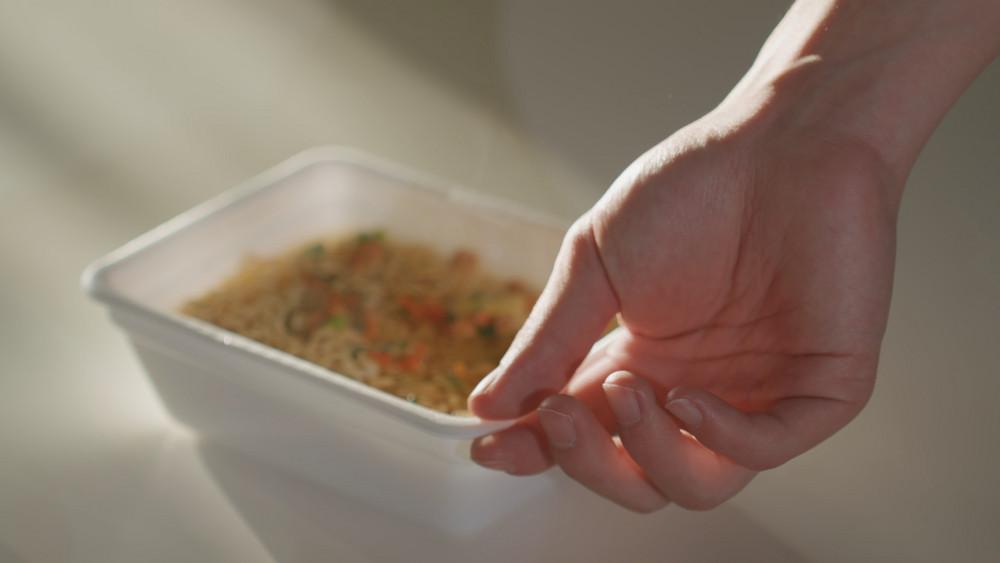
Roasted vegetables can become a filling for wraps or an addition to a grain bowl. Cooked chicken can be added to soup, pasta, or a sandwich. Leftover rice can form the base of a quick fried-rice meal when combined with vegetables, eggs, or another protein.
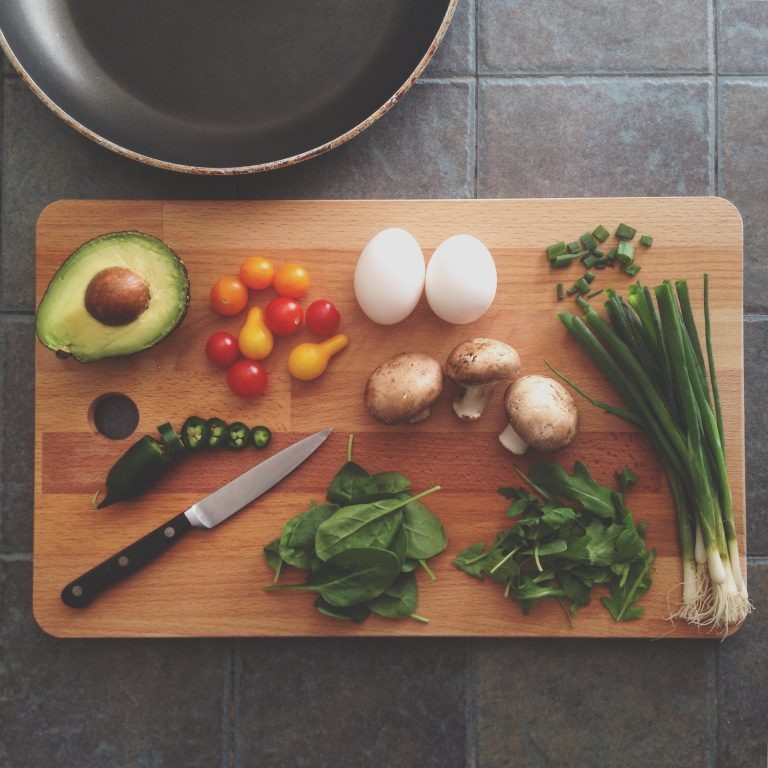
The goal is to look at the ingredients as building blocks rather than complete dishes that must be repeated. A small amount of food may not be enough for another full dinner on its own, but it can stretch a new meal when combined with a few fresh ingredients.
Soup is one of the most forgiving ways to use up odds and ends. Small amounts of cooked vegetables, grains, beans, or meat can go into a pot with broth and seasoning, and the flavors blend so no single leftover has to carry the meal. A leftover chicken carcass can even be simmered into the stock.
Turning Leftovers Into Meals That Don’t Taste Like Repeats
One reason people get tired of leftovers is that the second meal tastes almost identical to the first. Changing the seasoning, texture, or serving style can make familiar ingredients more appealing.
Roasted chicken served with potatoes one evening might become a chicken wrap with crunchy vegetables the next day. Leftover vegetables can be folded into an omelet, while cooked pasta can be turned into a baked dish with sauce and cheese.
Starchy leftovers have a second life, too. Mashed potatoes can be shaped into patties and pan-fried until crisp, and stale bread can become croutons or a savory bread salad.
Condiments and pantry ingredients can help bring these changes together. A dressing, spice blend, fresh herbs, or a squeeze of citrus can make a meal feel different without requiring a long ingredient list.
It is still important to use sound food-safety practices. Refrigerate leftovers promptly, store them in suitable containers, and follow recommended storage and reheating guidance. If food has been stored improperly or appears unsafe, it should not be used simply to avoid waste.
Plan the Week Around Ingredients That Become New Meals
Meal planning does not need to mean assigning a different recipe to every day of the week. A more flexible approach is to plan around ingredients that can serve more than one purpose.
For example, a batch of roasted vegetables might accompany a main dish one night and become part of a grain bowl later in the week. Preparing extra rice or cooking a larger amount of protein can also provide a head start on another meal.
Families can make the process easier by asking everyone to suggest one meal that could use the available ingredients. This gives people a say in the menu and increases the likelihood that the finished food will be eaten.
Before shopping, check which ingredients are already available and make a short list of what is genuinely needed. This helps prevent buying another package of something that is already sitting in the refrigerator. For more ideas on stretching what you buy, see these ways to make your groceries last.
Know When to Start Fresh
Before shopping, check which ingredients are already available and make a short list of what is genuinely needed. This helps prevent buying another package of something that is already sitting in the refrigerator. For more ideas on stretching what you buy, see these ways to make your groceries last.
Not every leftover needs to become another home-cooked meal. Sometimes the remaining portions are too small, the ingredients do not combine well, or everyone simply wants something different.
On those evenings, a quick meal using fresh ingredients may be the better choice. A simple pasta dish, soup, or sandwich can be prepared without much effort. Going out occasionally can also provide a break from cooking and help reset the routine.
If you are looking at the best restaurants for a meal away from home, consider it another practical option in the week’s plan rather than a failure to use what is in the refrigerator. The point of planning is to make meals easier, not to impose rules that create more stress.
Make Leftovers More Appealing to the Household
Different family members may have different attitudes toward reheated food. Some enjoy leftovers, while others prefer meals that feel freshly prepared. Offering a choice of toppings or sides can help bridge that gap.
For instance, a leftover protein can be served with fresh vegetables, a new sauce, or warm bread. Each person can assemble a plate to suit their preferences without requiring the cook to prepare several separate dinners.
It can also help to label containers with the date and contents. Food is easier to use when everyone knows what is available and how long it has been stored.
Waste Less Without Making Dinner Complicated
Using leftovers effectively is less about following a strict plan and more about making practical choices. A little organization, flexible recipes, and attention to storage can turn spare ingredients into convenient meals.
Not every experiment will become a household favorite, and some ingredients will work better in certain dishes than others. Over time, however, a few dependable combinations can make weeknight cooking quicker and grocery spending more purposeful. The result is a kitchen where turning leftovers into meals becomes routine, food gets used more often, and dinner requires less effort.