
How to Create a Unique Restaurant That Customers Love
This post contains affiliate links. Click here to read my affiliate policy.
Last Updated on October 23, 2026
Have you ever walked into a restaurant and immediately felt like you wanted to stay a little longer?
Maybe it was the smell of freshly baked bread, the cozy lighting, or the friendly welcome at the door. Sometimes, it’s a simple homemade dish that tastes so good you start planning your next visit before you’ve finished eating.
Those little details can make a restaurant special.
If you love cooking and dream of opening your own restaurant, you probably already have ideas about the food you’d serve. But creating a place people want to visit again takes more than a collection of delicious recipes.
You also need a welcoming space, thoughtful service, and a clear idea of what makes your restaurant different.
Whether you’re planning a small family cafe, a farm-to-table restaurant, or a cozy neighborhood eatery, these tips can help you create something memorable.
Start With a Restaurant Concept You Love
Every restaurant needs a clear identity.
Before choosing furniture or designing a menu, think about the kind of place you want to create.
Do you dream of a little breakfast cafe serving homemade pancakes and fresh coffee? Maybe you want to open a restaurant focused on seasonal ingredients, family recipes, or gluten-free comfort food.
Your concept should reflect the food you enjoy making and the customers you hope to serve.
Ask yourself a few simple questions:
- What type of food do I want to serve?
- Who would enjoy eating here?
- What makes my recipes different?
- Should the restaurant feel casual or more formal?
- What experience do I want guests to remember?
Your answers can guide everything from the menu to the decor.
For example, a family-friendly restaurant might focus on comfortable seating, easy-to-read menus, and meals that appeal to different ages.
A small cafe built around fresh ingredients may work better with a simple menu, natural materials, and a relaxed setting.
The goal is to create a place where the food, atmosphere, and service feel like they belong together.
Create a Menu That Tells Your Story
Food should be at the heart of your restaurant.
You don’t need a huge menu with dozens of complicated dishes to impress customers. A smaller collection of well-made meals can be more memorable.
Think about the foods you love to cook.
Maybe your grandmother taught you a special soup recipe. Perhaps you’ve spent years making homemade sauces, experimenting with gluten-free baking, or finding new ways to prepare seasonal vegetables.
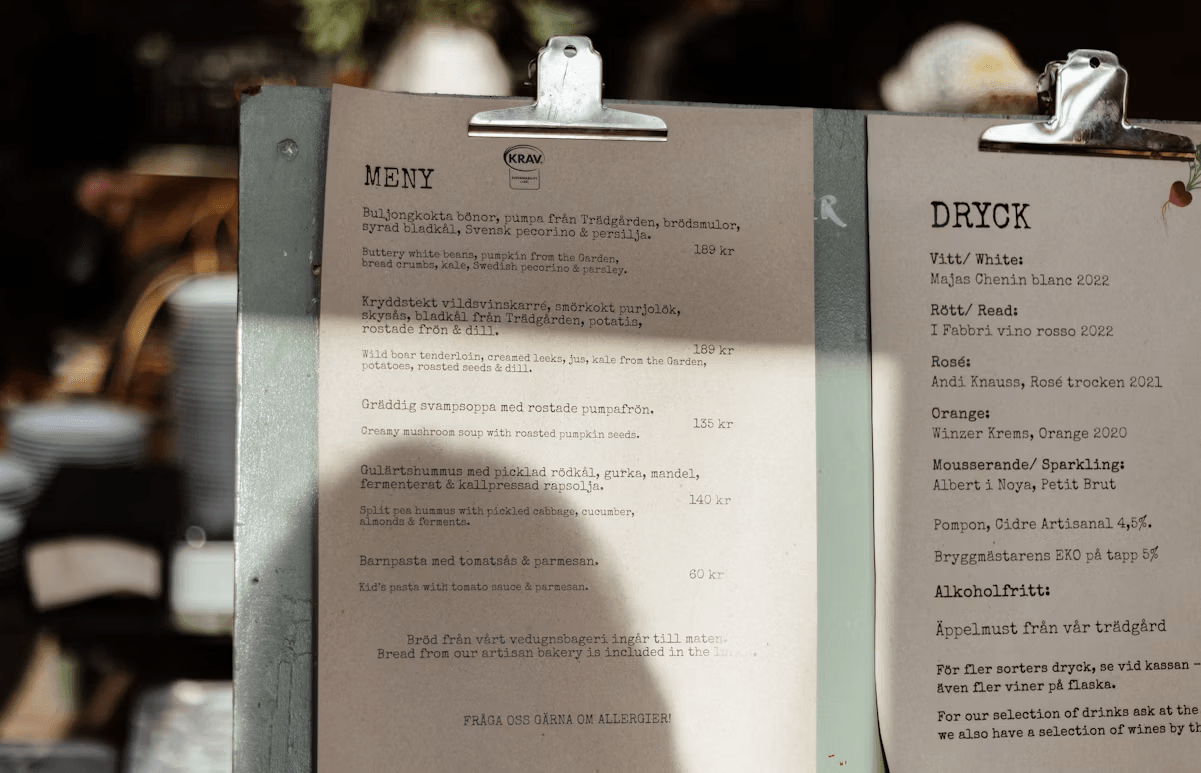
Those experiences can help shape your menu.
A few signature dishes can give customers something to remember and recommend to their friends.
You might offer:
- Homemade soups using seasonal vegetables
- Fresh salads with house-made dressings
- Comfort foods with a creative twist
- Gluten-free or dairy-free options
- Family recipes with a personal story
- Desserts made fresh in the kitchen
Try to keep the menu focused enough that your kitchen can prepare each dish consistently.
A beautiful menu is wonderful, but customers return because they enjoy the food.
Make Fresh Ingredients Part of the Experience
Good ingredients can make even simple recipes stand out.
You don’t have to serve expensive or unusual foods. Fresh vegetables, quality proteins, herbs, and carefully prepared sauces can turn everyday meals into something worth coming back for.
Seasonal ingredients are especially useful.
A summer menu might feature ripe tomatoes, fresh berries, and colorful salads. During colder months, you could offer hearty soups, roasted vegetables, and warm desserts.
Changing a few dishes with the seasons can keep your menu interesting without requiring a complete redesign.
If possible, build relationships with local farmers, bakers, and food suppliers.
They may introduce you to ingredients you haven’t considered before.
You can also share a little information about where certain ingredients come from. Customers who enjoy fresh food may appreciate knowing more about what’s on their plates.
Just make sure your food choices work with your budget and kitchen setup.
Create a Welcoming Dining Space
Think about your favorite place to eat.
Chances are, you remember more than the food.
The lighting, music, seating, and general atmosphere all affect how comfortable people feel.
You don’t need expensive decorations to create a beautiful restaurant.
A few thoughtful choices can make a big difference.
Soft lighting can make an evening dining room feel cozy. Natural wood, plants, and warm colors can create a relaxed atmosphere.
If you prefer a bright cafe, light walls, simple furniture, and large windows may work better.
Comfort also matters.
Make sure tables aren’t placed too close together and guests have enough room to move around. Choose chairs that people can sit in comfortably while enjoying a meal.
Pay attention to noise levels, too.
Music can add personality, but it shouldn’t make conversation difficult.
The best atmosphere is one that helps guests relax and enjoy their food.
Give Your Staff a Look That Fits Your Restaurant
Your team is an important part of the dining experience.
From the moment someone walks through the door, your staff helps shape how guests feel about the restaurant.
A warm greeting, helpful service, and a neat appearance can make customers feel welcome.
Clothing is another detail worth planning.
Restaurant uniforms can help create a consistent look while making it easier for customers to recognize team members.
The style should fit your restaurant’s personality.
A relaxed neighborhood cafe might choose simple shirts and comfortable aprons. A more formal dining room may call for a polished look with coordinated colors and styles.
Comfort is just as important as appearance.
Restaurant employees spend long hours standing, walking, carrying dishes, and working around food. Choose clothing that allows them to move easily and suits their daily tasks.
Practical, easy-to-clean fabrics can also make uniforms more convenient.
When your staff feels comfortable and confident, they can focus more attention on taking care of guests.
Make Your Restaurant Family-Friendly
If families are part of your target audience, think about what makes dining out easier for parents and children.
A family-friendly restaurant doesn’t need to look like a playground.
Small details can make a real difference.
Offer a few simple meals that younger guests may enjoy. Consider smaller portions of regular menu items instead of creating a completely separate collection of processed or frozen foods.
Make sure high chairs are available if your restaurant serves families with babies or toddlers.
Leave enough room between tables for strollers and for staff to move safely.
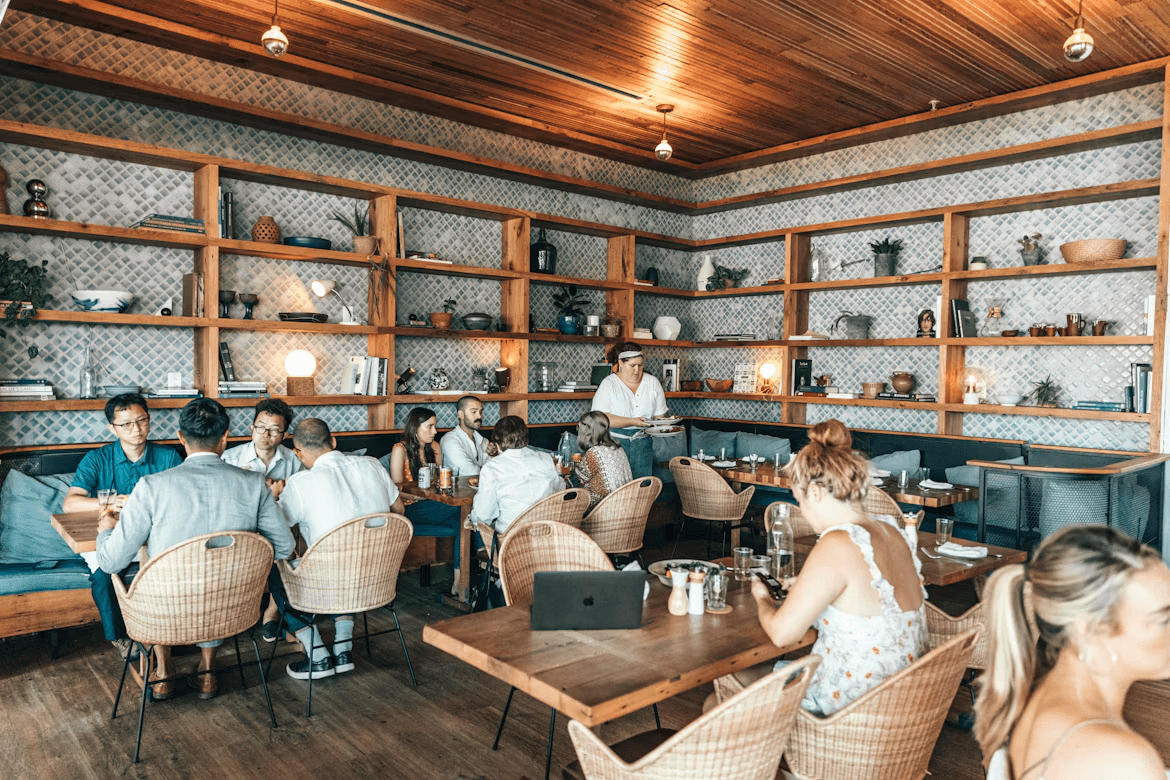
You might also provide a small coloring sheet or activity for children while they wait.
Parents often appreciate places where their kids feel welcome and the food arrives without a long, stressful wait.
A restaurant that makes family meals easier can become a favorite for birthdays, weekend breakfasts, and casual dinners.
Offer Options for Different Dietary Needs
People have different food preferences and dietary needs.
Some guests may avoid gluten or dairy. Others may prefer vegetarian dishes or need to avoid certain ingredients because of allergies.
You don’t need to create a separate menu for every diet, but offering a little flexibility can make your restaurant more welcoming.
Start with clear descriptions.
List the main ingredients in each dish and make it easy for customers to ask questions.
If you offer gluten-free or dairy-free meals, train your staff to explain what those labels mean in your kitchen.
Food allergies need extra care. Ingredient labels, preparation methods, and cross-contact risks should all be taken seriously.
Never promise that a dish is safe for a particular allergy unless your kitchen can support that claim.
Thoughtful menu planning can help more guests find something they enjoy.
Make Customer Service Feel Personal
Good service can turn a first visit into a lasting relationship.
Customers want to feel welcome, listened to, and comfortable asking questions.
Train your team to greet guests warmly, explain menu items clearly, and handle concerns with patience.
If a customer has a question about an ingredient, staff should know where to find the answer.
If something goes wrong with an order, responding politely and working toward a solution can help improve the experience.
Small personal touches matter too.
Remembering a regular customer’s favorite drink or welcoming a family back after a previous visit can make the restaurant feel more connected to its community.
You don’t need complicated scripts.
Friendly, attentive service usually feels more natural than memorized greetings.
Keep Your Restaurant Clean and Organized
A restaurant can have wonderful food and beautiful decor, but cleanliness is still essential.
Guests notice sticky tables, messy restrooms, dirty floors, and cluttered serving areas.
Create a cleaning schedule that covers both the dining room and kitchen.
Make sure employees understand their responsibilities and follow the food safety rules that apply to your location.
Storage and organization can also help the kitchen run more smoothly.
Keep ingredients labeled and stored correctly. Arrange frequently used equipment so employees can work efficiently without crowding one another.
Regular maintenance matters too.
Fix leaking faucets, broken handles, damaged furniture, and faulty equipment before they become bigger problems.
A clean, well-kept space shows customers that you care about their experience.
Connect With Your Local Community
A neighborhood restaurant can become much more than a place to buy dinner.
It can be somewhere families celebrate birthdays, friends meet for coffee, and neighbors gather after a busy week.
Look for simple ways to connect with the people around you.
You might work with local farms, feature artwork from nearby artists, or take part in community events.
Seasonal food events can also be fun.
Consider hosting a soup night during winter, a summer dessert special, or a weekend breakfast featuring local ingredients.
If your space allows, you could even offer a small cooking demonstration or family food event.
These activities give customers another reason to visit while helping your restaurant feel like part of the neighborhood.
Choose events that fit your budget and the amount of work your team can handle.
Use Social Media to Share Your Food Story
People love seeing good food.
That makes social media a useful way to introduce your restaurant to potential customers.
You don’t need expensive photography equipment or a complicated marketing plan to begin.
Start by sharing clear, inviting pictures of your dishes.
Natural lighting can make food look especially appealing.
You could post photos of a fresh batch of cookies, a colorful seasonal salad, or a chef preparing a signature meal.
Behind-the-scenes content can be interesting too.
Show how a favorite sauce is made, introduce team members, or share the story behind a family recipe.
Let customers know about menu changes, special events, and seasonal dishes.
Make sure your restaurant’s location, opening hours, and contact information are easy to find online.
Encourage guests to share their experiences if they enjoy the food.
A genuine recommendation from a happy customer can help introduce your restaurant to someone new.
Test Your Ideas Before Making Big Changes
Opening a restaurant can require a significant investment.
Before spending money on a large menu, expensive decorations, or specialized equipment, try testing some of your ideas.
You could start with a smaller menu at a temporary food event, community market, or pop-up dining experience if local rules allow it.
Pay attention to what customers order and which dishes receive positive feedback.
Ask people what they enjoyed and what could be improved.
Maybe everyone loves your homemade soup, but a complicated appetizer takes too long to prepare.
That information can help you make better decisions.
It can also save money.
Sometimes, testing a simple version of your idea reveals what makes it special before you invest in a permanent location.
Keep Your Budget in Mind
Creating a unique restaurant doesn’t mean choosing the most expensive option for everything.
It’s easy to spend too much on decorations, equipment, and menu ideas before the business has a steady flow of customers.
Start with the essentials.
Invest in reliable kitchen equipment, safe food preparation areas, comfortable seating, and the supplies needed to serve your menu.
Then decide which decorative details matter most.
You may be able to use secondhand furniture, simple artwork, or affordable lighting to create the look you want.
Also, calculate what each menu item costs to prepare.
Include ingredients, portion sizes, and food waste when setting prices. Remember that the business also needs to cover staff, rent, utilities, and other expenses.
A dish may taste amazing, but it still needs to make financial sense for your restaurant.
Keeping the menu manageable and watching costs can help you build a business that lasts.
Give Customers a Reason to Come Back
Getting someone through the door for the first time is exciting.
Giving them a reason to return is even more important.
Customers often come back because they know what to expect.
They enjoy the food, feel comfortable in the space, and trust that they’ll have another good experience.
Consistency helps build that trust.
Make sure popular dishes taste the same each time they’re ordered. Train employees to provide reliable service and keep the restaurant clean and welcoming.
You can also give regular customers something new to enjoy.
A seasonal dessert, weekend special, or occasional menu update can keep things interesting.
Pay attention to customer feedback, but don’t feel pressured to change your entire concept every time someone suggests a new idea.
Your restaurant should keep the personality that made people interested in it in the first place.
Bring Your Restaurant Idea to Life
Creating a unique restaurant starts with a love of food and a clear idea of the experience you want to offer.
You don’t need to follow every dining trend or fill your menu with complicated recipes.
Focus on meals you can prepare well, ingredients you’re proud to serve, and a space where people feel comfortable spending time.
Think about the little details, from the way your staff welcomes guests to how the dining room looks and feels.
Build relationships with your customers, listen to their feedback, and keep improving as your restaurant grows.
When good food, thoughtful service, and a welcoming atmosphere come together, you give people a reason to return.
And for anyone who has dreamed of turning a passion for cooking into a business, that’s a wonderful place to start.