Easy, Healthy Foods to Consider Growing in Your New Garden
This post contains affiliate links. Click here to read my affiliate policy.
Last Updated on August 31, 2026
Gardening offers numerous benefits that reach far beyond cultivating beautiful landscapes. One significant advantage is the ability to grow your own food, providing fresh and healthy produce right from your backyard. Whether you’re motivated by enhancing your lifestyle, saving money, or maximizing your green space, creating a food-focused garden can be both rewarding and practical.
A Shift Toward Food Gardening
According to RubyHome, 43% of people engage in gardening primarily to grow food. This statistic underscores a shift in lifestyle choices where individuals increasingly prioritize self-sustainability and health through home gardening. As people become more conscious of what they consume, growing food enables them to ensure quality and chemical-free produce.
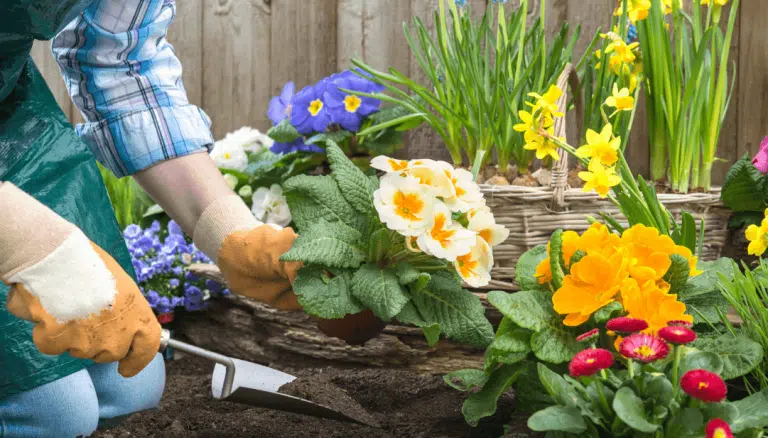
This nutritional empowerment is often complemented by the aesthetic pleasure of gardening, as 55% of gardeners aim to create a visually appealing space. Mixing edible plants with ornamental ones can enhance both garden productivity and beauty. Such functional gardens can seamlessly integrate into any lifestyle, offering the best of both worlds—food and decoration.
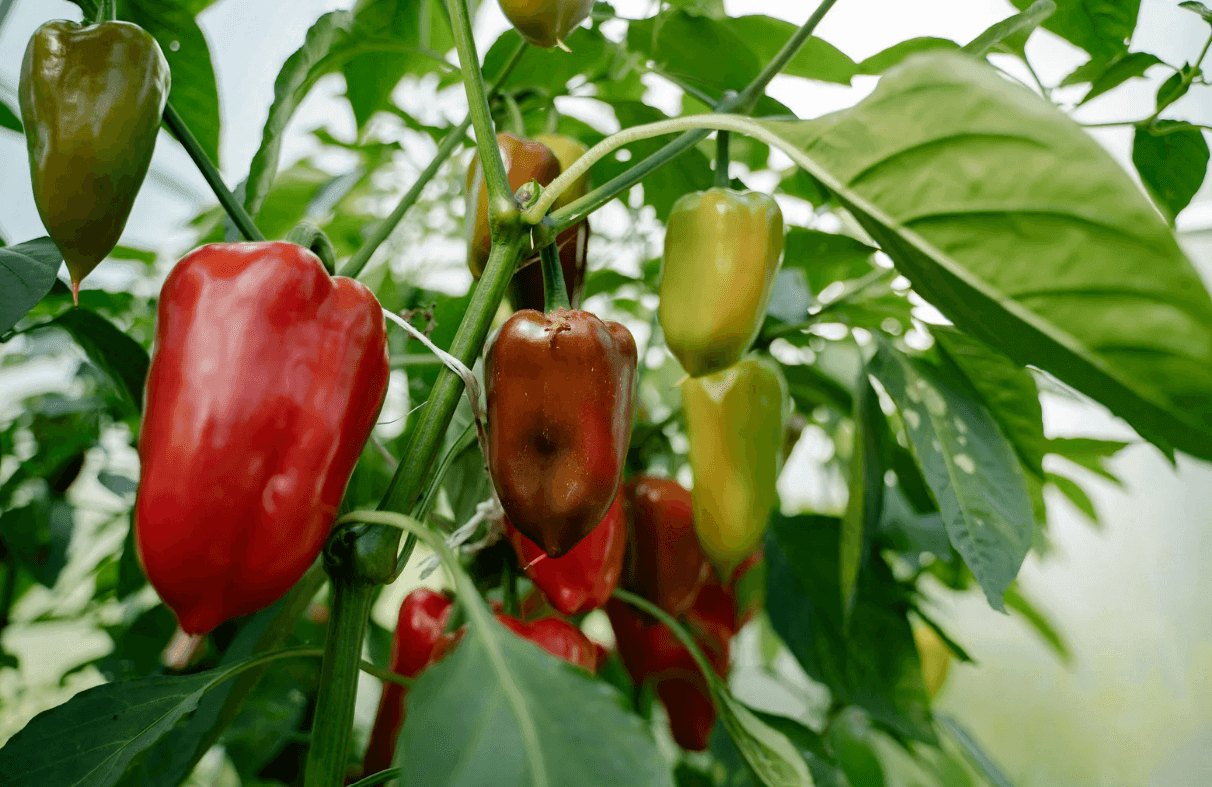
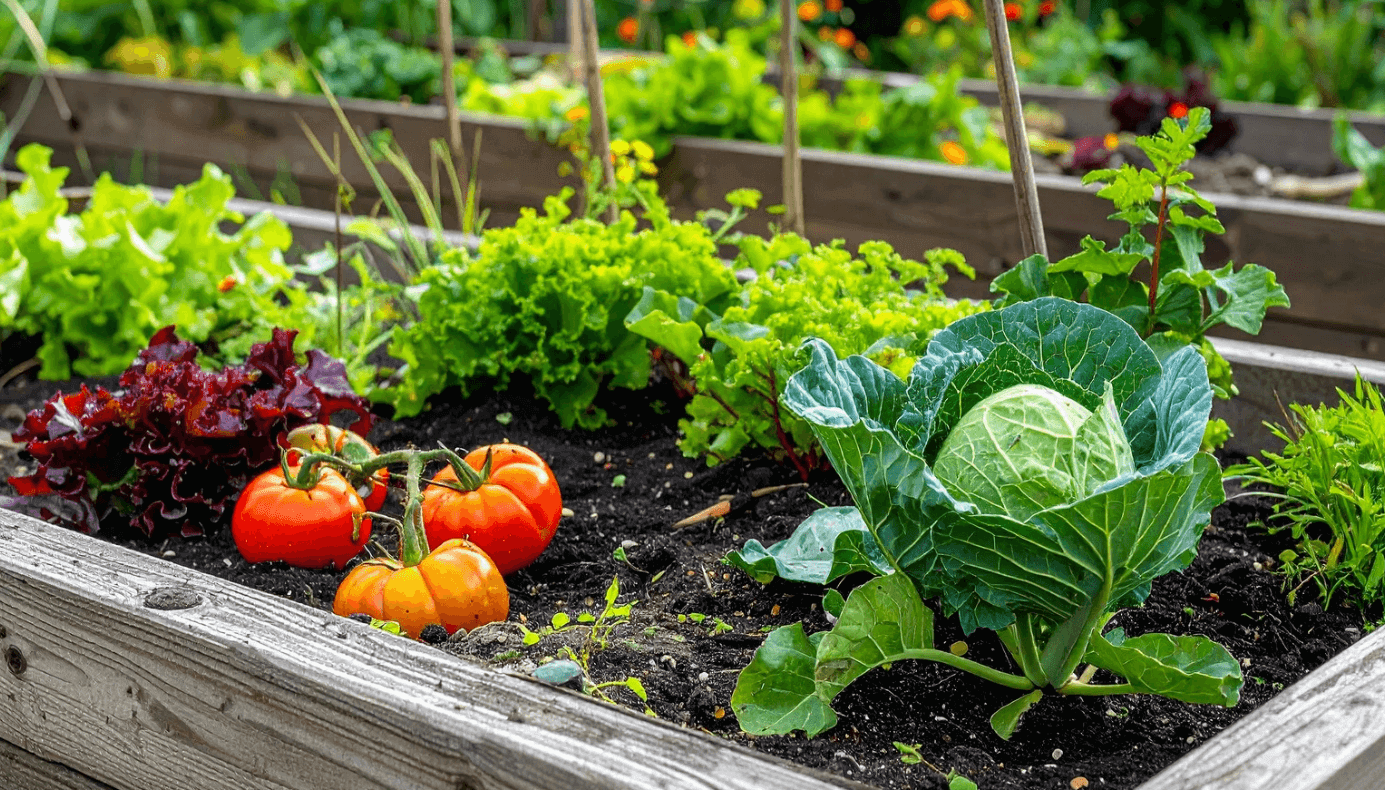
Food gardening also allows for a diverse range of crops to be grown, tailored to personal dietary preferences. From herbs to vegetables and fruits, the possibilities are abundant. As a result, individuals can cultivate a garden that enriches their dining table and supports a healthier lifestyle.
The Economic Investment in Home Gardens
The trend of home gardening is not just a fleeting hobby but a growing commitment, as indicated by Axiom Market’s 2026 Gardening Outlook Survey. This survey highlights that by 2026, 42.8% of respondents anticipate spending more money on gardening. This investment reflects a growing trust in personal gardens as viable sources of healthy sustenance.
Spending on quality soil, seeds, and tools can initially be high, but the return in terms of fresh produce often offsets these costs. Additionally, home gardening reduces the need for store-bought alternatives, which frequently come with added expenses. By prioritizing quality from the outset, gardeners can enjoy long-term savings and a richer culinary experience.
This financial commitment also fuels the lifestyle benefits of gardening. Investing in sustainable practices and efficient irrigation systems, such as drip-based solutions, can optimize water usage and minimize waste. Such systems support the growth of a diverse array of healthy produce while aligning with eco-friendly living standards.
Understanding Water Usage and Consumption
While home gardens offer excellent opportunities for growing personal food supplies, conscientious water use remains vital. Large garden hoses can use up to 23 gallons per minute, which can contribute to resource wastage if not managed properly. Gardeners need to implement strategies that optimize water use while nurturing their plants.
Techniques such as rainwater harvesting, mulching, and drip irrigation can significantly reduce water usage. These methods not only conserve water but also improve soil moisture retention, promoting healthier plant growth. By integrating such practices, home gardeners can foster an eco-conscious lifestyle that supports both environmental and personal well-being.
Monitoring and adjusting watering practices according to the specific needs of each plant variety is also crucial. Some crops require more frequent watering, while others may thrive with less. Hence, understanding these differences helps in developing a tailored watering regimen that supports optimal garden productivity without depleting water resources.
Seamlessly Blending Gardens into Lifestyle
The choice to cultivate a garden brimming with easy, healthy foods transforms more than just physical space; it enhances a gardener’s lifestyle. Growing your own food means access to fresh and organic produce anytime, undeniably enriching culinary experiences. This practice is not only satisfying but also instills a sense of accomplishment and self-reliance.
Planning and tending a garden are excellent forms of physical activity, promoting both physical health and mental well-being. Each planting, watering, and harvesting session is an opportunity to engage with nature, bringing relaxation and stress relief amidst life’s hustle. Such interaction with nature helps balance the mind and body, contributing to a more harmonious lifestyle.
Additionally, a garden encourages continuous learning and exploration. Experimenting with different plant varieties and cultivation techniques provides valuable horticultural knowledge. This knowledge fosters resilience and adaptability, equipping gardeners with skills to adapt their gardens to changing environmental or personal needs.
Creating a garden dedicated to growing easy and healthy foods not only supports an enriching lifestyle but also aligns with sustainable living ideals. The commitment to gardening may involve an initial investment of time and resources, but the long-term benefits are substantial, from promoting self-sustainability to enhancing physical and mental health. By thoughtfully blending aesthetics and functionality, home gardens become vibrant sanctuaries that sustain both the body and soul.