
Discover the Everyday Benefits of Juicing for Better Energy, Nutrition, and Fresh Flavor
This post contains affiliate links. Click here to read my affiliate policy.
Last Updated on July 28, 2026
Juicing has remained popular for years because it offers an easy way to enjoy a wide variety of fruits and vegetables without spending hours in the kitchen. While whole produce should still have a place in a balanced diet, fresh juice can be a simple addition that helps people increase their intake of vitamins, minerals, and plant compounds. The key is approaching juicing with realistic expectations and choosing ingredients that fit your personal tastes and nutritional goals.
Choose Equipment That Makes Juicing Easier
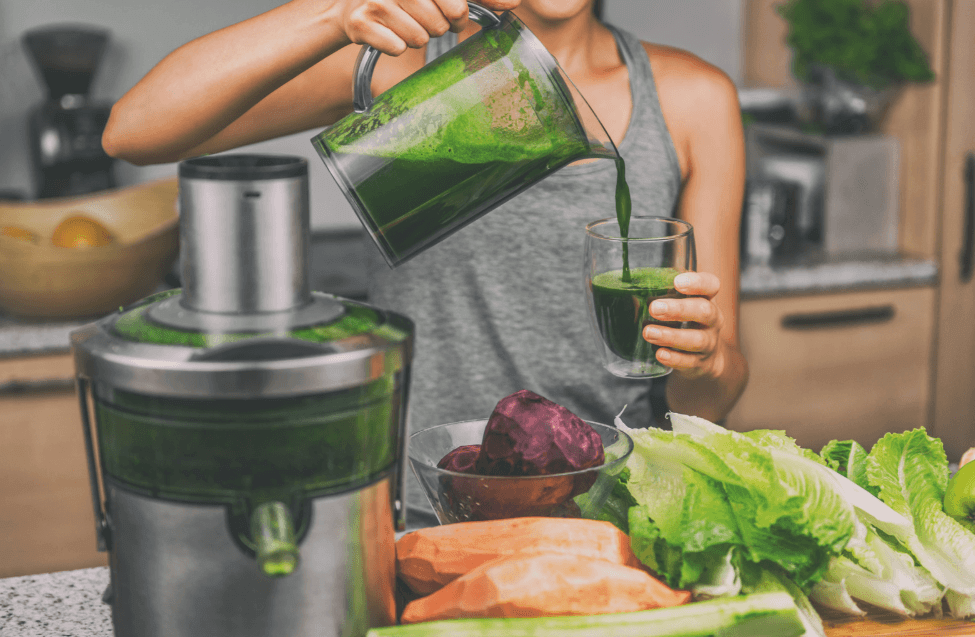
Investing in high-quality juicers can make a noticeable difference in both convenience and the finished product. Machines that extract juice efficiently often produce better yields, handle leafy greens more effectively, and create less waste than lower-end models. They can also preserve more juice from each ingredient, making frequent juicing more economical over time.
The right machine depends on your habits. Someone who juices every morning may appreciate a slower masticating model that performs well with greens, while occasional users might prefer a centrifugal option that works quickly before heading to work. Easy cleanup is another feature worth considering because a complicated machine often ends up collecting dust instead of being used regularly.
Fresh ingredients matter just as much as the equipment. Crisp apples, ripe citrus, cucumbers, celery, carrots, spinach, and herbs all contribute unique flavors that blend well together. Rotating seasonal produce also helps keep recipes interesting while introducing a wider variety of nutrients throughout the year.
A Fresh Way to Add More Fruits and Vegetables
Many adults struggle to eat enough produce each day. Juicing offers another opportunity to enjoy fruits and vegetables, especially for people who find it difficult to eat large salads or multiple servings of vegetables with every meal. A single glass can combine several ingredients that might not otherwise appear together on the dinner plate.
Color variety deserves attention when building juice recipes. Dark leafy greens contribute nutrients and a mild earthy flavor. Orange vegetables such as carrots add natural sweetness along with beta carotene. Citrus fruits brighten the overall taste, while berries introduce antioxidants and vibrant color. Fresh ginger, mint, basil, or parsley can completely change the character of a juice without requiring large amounts.
Balance is also important. Recipes that rely exclusively on fruit can become high in natural sugars. Combining fruit with vegetables creates a more balanced flavor profile while helping reduce the overall sweetness. Many people discover they enjoy vegetables far more when paired with apples, lemons, or pears.
Experiment With Creative Flavor Combinations

One of the biggest advantages of juicing is the freedom to experiment. Even small ingredient changes can create completely different flavor profiles, making it easier to avoid getting bored with the same recipe every day. Seasonal produce keeps options fresh throughout the year and encourages greater variety.
Many people also enjoy blending smoothies alongside fresh juices. A cherry vanilla smoothie offers a creamy alternative that pairs frozen cherries with vanilla, yogurt or milk, and optional protein for a satisfying breakfast or afternoon snack. Switching between juices and smoothies allows you to enjoy different textures while making the most of fresh produce already sitting in your refrigerator.
Herbs and spices deserve attention as well. Cinnamon, turmeric, ginger, fresh basil, rosemary, and mint can transform familiar recipes into something far more memorable. Small additions often deliver the biggest impact, giving homemade drinks a flavor that feels far more interesting than bottled options from the grocery store.
Build Juicing Into a Sustainable Routine
The most successful juicing habits fit naturally into everyday life instead of becoming another chore. Washing produce after grocery shopping, storing ingredients together, and preparing recipes in advance can make the morning routine much easier. Keeping favorite combinations written down also saves time when deciding what to make.
Juicing should complement balanced meals rather than replace them entirely. Whole fruits, vegetables, lean proteins, healthy fats, and fiber all continue to play important roles in supporting overall nutrition. Fresh juice works best as one part of a varied eating pattern instead of serving as the foundation for restrictive eating plans.
Listening to your own preferences also matters. Some people enjoy green juices packed with vegetables, while others prefer sweeter combinations with citrus and berries. There is no single recipe that works for everyone, which is one reason juicing remains appealing year after year.
Fresh Habits That Are Easy to Maintain
Juicing succeeds because it makes fresh produce more accessible and enjoyable for many people. With quality ingredients, reliable equipment, and a willingness to experiment, it becomes much easier to build a routine that feels practical instead of complicated. Even one glass of fresh juice several times a week can add more variety to your menu while making healthy choices feel a little more enjoyable.