
The Ultimate Guide to Fresh Dog Food: Beyond Basic Nutrition for Better Overall Well-Being
This post contains affiliate links. Click here to read my affiliate policy.
Last Updated on May 14, 2026
Most dogs do fine on kibble – but fine just ain’t the same as feeling top-notch.
If your dog’s been scratching its fur off, dealing with inconsistent stools, or just seems to have lost its sheen, the diet might have a bigger hand in it than you think. Dry food is easy to have on hand, but it ain’t always the healthiest choice. Kibble is typically highly processed, and for a lot of dogs, this can make it harder to digest or even turn into long-term problems like skin rashes or upset tummies.
That’s where fresh dog food comes into the picture. It’s meant to be more like real food, made with better ingredients, less of that fancy processing and packed with the good stuff. It’s a whole different approach, one that looks at feeding your dog as part of keeping them healthy from the inside out.
Understanding Fresh Meals for Dogs
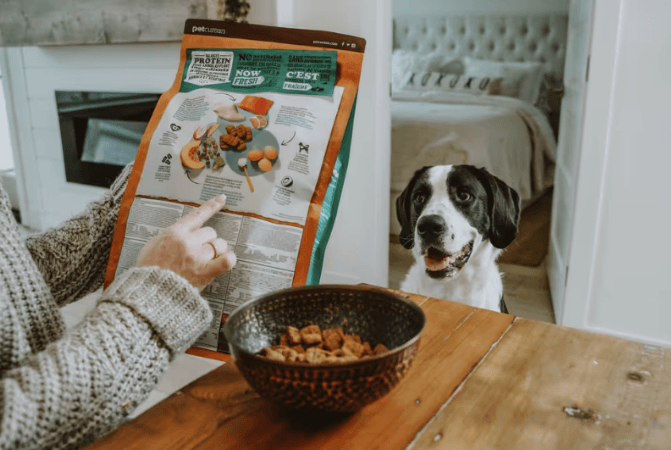
When we talk about fresh dog food, we’ren’t talking about whipping up some random ingredients from the farmer’s market and cooking up a storm every night. Given how hectic life can be, that just won’t work for most pet owners.
Fortunately, there are now fresh dog food brands and options available that offer a way to feed your dog a more natural diet without having to be in the kitchen all day. These foods are put together using real, high-quality ingredients and cooked low and slow to help keep all that good stuff inside.
They’re not like dry kibble. They’re made with way less processing and actually use whole, recognisable ingredients. They make for a more balanced, nourishing meal that’s a lot closer to real food, while still being easy to get on the table day in day out.
Do Dogs Benefit From Fresh Food?
The short answer is yes, and it’s more than you might think. Alright, every dog is unique, but fresh food diets can support all sorts of everyday health factors – like digestion, energy levels, skin condition and even oral health.
Easier Digestion
Fresh meals for dogs are made with ingredients that have been gently cooked and are in whole form, as opposed to all that heavily processed stuff in kibble. This makes it way easier for dogs to break down and absorb the good stuff. For a lot of dogs, switching to fresh food can mean a more settled stomach and way less digestive discomfort – especially if they’ve been sensitive to certain dry foods.
Consistent Stools
One of the most common changes owners notice when switching to fresh dog food is that their dogs start producing nicer, more regular stools. Fresh food tends to have fewer fillers and more of the good, natural stuff that dogs can easily digest, so that means firmer, more consistent stools – a pretty clear sign their body is doing its job much better.
Better Skin and a Healthier Coat
Fresh recipes are usually packed with high-quality proteins and natural sources of good fats that help keep skin and coat in top shape. Over time, this can really help keep dryness and irritation down and promote a shiny, healthier-looking coat.
Stable Energy Levels
A diet based on real food that’s not been all messed with can really help provide balanced nutrition all day. This can support more stable energy levels, rather than all the highs and lows sometimes seen with highly processed foods.
More Appealing Meals
Because fresh dog meals use real food ingredients like meat, veg and natural oils, it tends to have a stronger smell and taste compared to dry kibble. This makes mealtime a lot more appealing, especially for the fussy eaters or those that just seem less interested in food.
You Can See Exactly What You’re Giving Your Dog
Fresh food diets tend to have straightforward ingredient lists, which makes it easy for you to know exactly what you’re feeding your dog. That kind of clear transparency really helps you make informed choices about your dog’s diet and gets you a better understanding of what they need in a day.
Natural Hydration Support
Fresh dog meals also have a trick up its sleeve when it comes to hydration – it’s got a naturally higher water content. So, not only is it easier for dogs to get all the water they need, but it also helps with their daily fluid intake all on its own.
Shopping for Your Dog’s Food – What to Think About
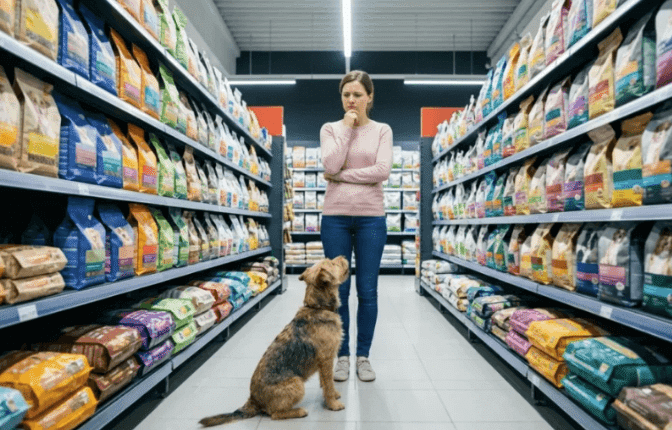
When shopping around for fresh pet food, it’s important to think beyond the idea of “better for them” and think about just what will work for your dog as an individual, and fit into your daily routine too. Not every fresh dog meal on the market is the same, so take some time to think about what matters and make a few key considerations.
What’s in the Food?
One of the first things to have a look at is the ingredients, obviously. Look for recipes that clearly list names of things you can actually recognise, like real chicken, actual carrots, and things like that. Good fresh foods tend to keep things simple, avoiding fillers, preservatives and all that other stuff you don’t need – instead focusing on straightforward, whole food recipes that are easy to get your head around.
Protein – What will your Dog Tolerate?
Dogs have their own tastes and sensitivities, so it’s good to have a bit of choice when it comes to protein sources like chicken, beef, pork, or fish. Having this variety on hand can help you figure out what works for your dog’s digestion and whether they can handle the same thing day in and day out. And a bit of variety can be a good thing too, helping keep them from getting bored with the same old flavour every day.
How is the Food Prepared and Kept?
When it comes to fresh dog meals, they’re usually cooked gently, then chilled or frozen to keep them fresh, which means you’ll need to think about storage space and how to handle portioning. Some options are designed to make things easier, with portioned meals that make serving a doddle.
However, not all fresh options require freezing or refrigeration. Some ranges are designed to be shelf-stable, meaning they can be stored at room temperature without compromising on quality.
Your Dog’s Needs—Getting it Right
Think about your dog’s age, how active they are and if they have any sensitivities. Fresh dog food diets often have recipes to suit different life stages and dietary needs, making it a bit easier to find just the right thing for your dog.