
7 Wound Care Tips for People With Diabetes
This post contains affiliate links. Click here to read my affiliate policy.
Last Updated on July 8, 2026
A small cut on the foot might heal in a week for most people. For someone with diabetes, that same cut can take a month or longer, and if blood sugar is running high, it might not heal properly at all. High glucose levels damage nerves and reduce circulation, which means injuries go unnoticed longer and get less blood flow to repair themselves.
That combination is why foot ulcers send more than 100,000 people to the hospital each year in the United States alone, and why a bit of extra diligence with everyday cuts and scrapes makes a real difference.
Check your feet every single day
Nerve damage from diabetes, known as peripheral neuropathy, can numb the feet enough that a blister, cut, or splinter goes completely unnoticed. Set aside two minutes each morning or night to look over both feet, including between the toes and the soles. A hand mirror on the floor works well for checking the bottoms of the feet without straining.
Look for redness, swelling, cracked skin, or any spot that looks different than it did the day before. Catching a problem on day one instead of day ten often means the difference between a bandage and a trip to urgent care.
Clean wounds properly, right away
If a cut or scrape shows up, rinse it under cool running water rather than reaching for hydrogen peroxide or alcohol. Those products feel like they’re doing something, but they actually kill healthy tissue along with bacteria, which slows healing. Mild soap and water, followed by a gentle pat dry, is usually enough.
After cleaning, cover the area with a sterile, non-stick bandage and change it daily or whenever it gets wet or dirty. Avoid tight tape or wrapping that could cut off circulation, since reduced blood flow is already a concern.
Keep blood sugar levels in a steady range
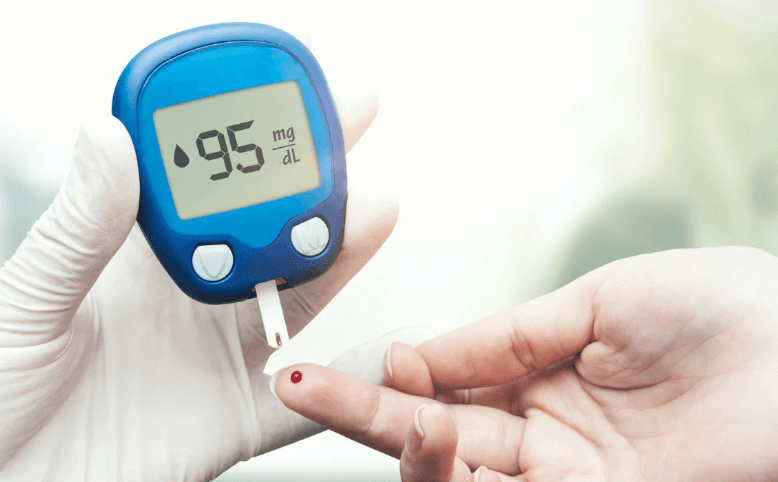
Wound healing depends on a steady supply of oxygen and nutrients delivered through the bloodstream, and elevated glucose interferes with that process at a cellular level. Studies have shown that blood sugar consistently above 200 mg/dL slows the formation of new tissue and makes infection more likely. This is one of the reasons doctors treat A1C management as part of wound care for diabetics, not as a separate issue from it.
Keeping levels closer to target range, as recommended by a doctor, gives any wound a better chance of closing up on schedule. This matters even for minor injuries that would barely register for someone without diabetes.
Watch for signs of infection
A wound that’s healing normally should look a little less red and a little smaller every few days. One that’s getting more swollen, warmer to the touch, or producing yellow or green drainage is heading in the wrong direction. Red streaking extending away from the wound, fever, or a foul smell are signs that need same-day medical attention, not a wait-and-see approach.
Because neuropathy can mask pain, don’t rely on how much something hurts to judge severity. A wound can be seriously infected and still feel like almost nothing.
Choose footwear that protects, not just fits
Ill-fitting shoes are one of the most common causes of diabetic foot wounds, often from friction that builds slowly over hours of wear. Shoes should have enough room in the toe box, no seams pressing against bunions or hammertoes, and cushioned support that doesn’t bottom out during walking. Breaking in new shoes gradually, in short stretches of thirty minutes to an hour, helps reveal pressure points before they turn into blisters.
Going barefoot, even indoors, raises the risk of stepping on something sharp without noticing. Slippers with firm soles are a safer choice than bare feet on hardwood or tile.
Moisturize, but skip the spaces between toes
Dry, cracked skin creates entry points for bacteria, so a daily moisturizer on the tops and bottoms of the feet helps maintain the skin’s barrier. Lotion left between the toes, however, traps moisture and creates a breeding ground for fungal infections like athlete’s foot. Apply cream everywhere except that area, and dry thoroughly between toes after washing.
Trimming toenails straight across, rather than rounding the corners, also helps prevent ingrown nails that can turn into a painful entry point for infection.
Schedule regular podiatry checkups
A podiatrist can spot early warning signs that are easy to miss at home, including subtle changes in foot shape, pressure points from walking patterns, or reduced sensation that hasn’t been noticed yet.
Most people with diabetes benefit from at least one comprehensive foot exam per year, and more frequent visits if neuropathy or circulation problems have already been diagnosed. These checkups often include a monofilament test to measure nerve sensitivity, which can flag risk before an injury even happens.
Bringing a log of any past wounds or ongoing problem areas to these appointments gives the podiatrist useful context for tracking changes over time.
The takeaway
None of these steps require special equipment or a lot of time, but they do require consistency. A daily foot check, prompt attention to cuts, well-fitting shoes, and steady blood sugar control work together to catch small problems before they become medical emergencies. The goal isn’t to fear every scrape, but to treat foot care as a routine part of managing diabetes, right alongside monitoring glucose and taking medication as prescribed.