How Gardening Can Support A Cleaner Lifestyle
This post contains affiliate links. Click here to read my affiliate policy.
Last Updated on August 31, 2026
A cleaner lifestyle isn’t limited to the products you buy or the waste you throw away. It can also involve the way you use your outdoor space, the food you consume, and the choices you make around your home. Gardening provides an opportunity to make some of those choices more intentional while spending time outdoors.
Growing plants can encourage people to pay closer attention to where food comes from, how natural resources are used, and what happens to materials after they are no longer needed. Even a small garden can become part of a broader effort to create a more environmentally conscious household.
Grow Food and Learn From Nature
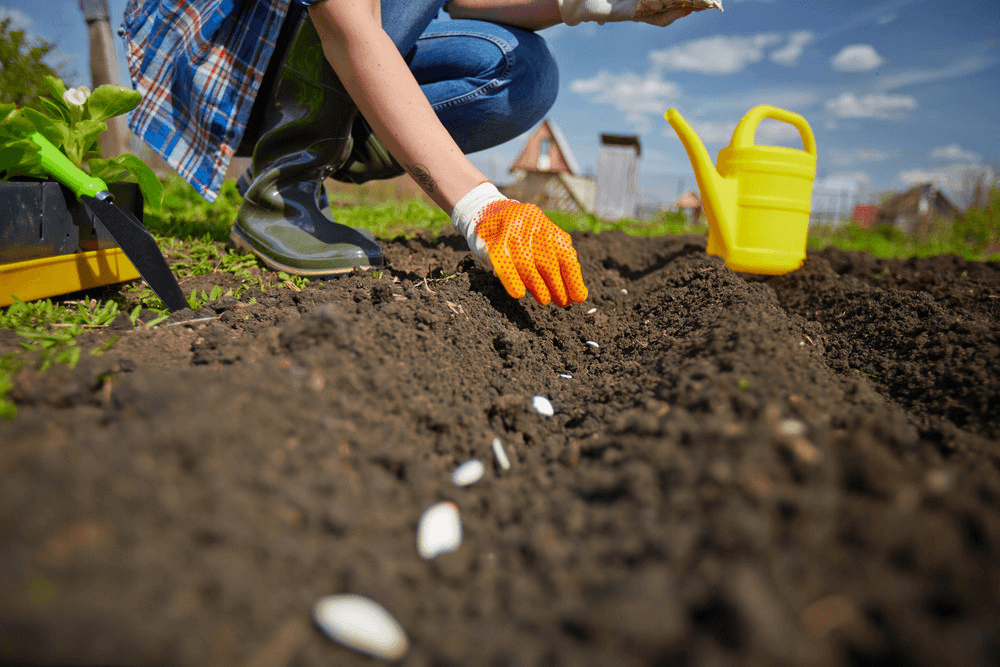
One of the most direct ways gardening can support a cleaner lifestyle is by giving you the ability to grow some of your own food. Herbs, vegetables, and fruits can be grown in spaces ranging from large backyards to small containers on a patio or balcony.
Growing food at home can also change how you think about the resources involved in producing what you eat. Watching a seed develop into a mature plant provides a firsthand look at soil, water, sunlight, pollination, and seasonal changes. Those observations can encourage more thoughtful choices about food and waste.
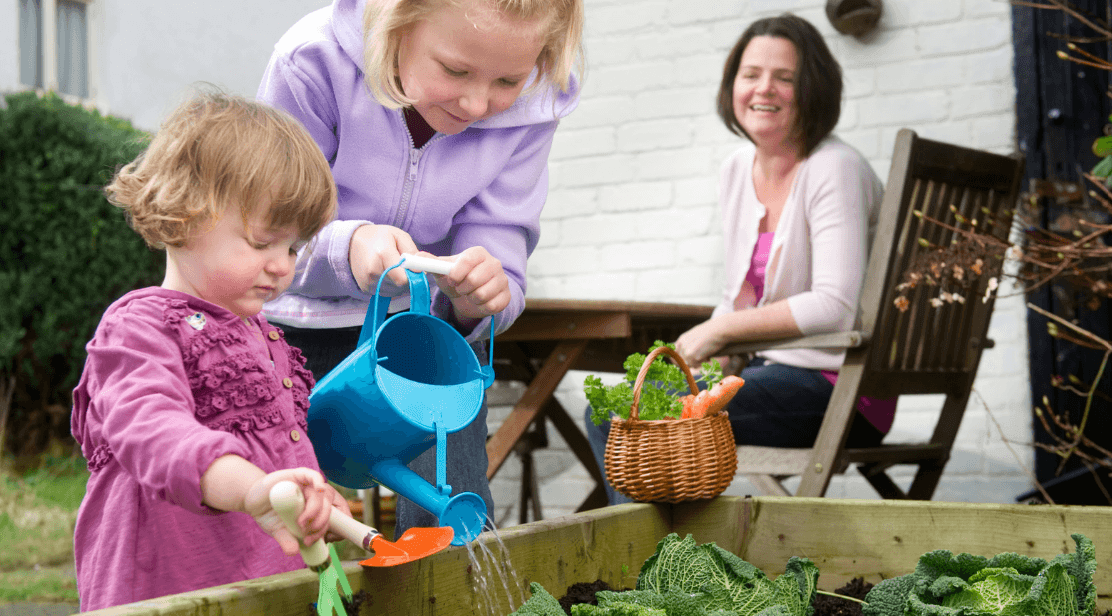
Gardening can be particularly valuable for children because it turns environmental concepts into something they can see and experience. Rather than learning about plants only through books or screens, children can observe growth, care for living things, and see the results of their efforts.
Research highlighted by KidsGardening supports the educational value of these experiences. According to KidsGardening, all 12 school gardening programs they studied reported higher science achievement scores among participating students. Gardening can therefore provide more than an outdoor activity. It can create opportunities to develop practical knowledge about the natural world.
At home, parents can involve children in age-appropriate tasks such as planting seeds, watering plants, identifying insects, or harvesting vegetables. These activities can help make sustainability feel like a normal part of everyday life rather than an abstract concept.
Make Your Outdoor Space More Energy Conscious
Gardening can also complement other choices designed to reduce a household’s environmental impact. Landscaping decisions can influence how much water a yard needs, how much maintenance it requires, and how effectively outdoor spaces interact with the surrounding environment.
Choosing plants suited to the local climate can be a practical starting point. Plants that are well adapted to existing conditions may require less supplemental water than varieties that struggle to thrive. Adding organic material to soil can also support healthier plant growth and help make better use of materials that might otherwise become household waste.
Shade is another consideration. Trees and strategically placed plants can provide shade around portions of a home, outdoor living areas, and other spaces. While landscaping alone isn’t a substitute for energy-efficient construction or mechanical systems, thoughtful placement can complement broader efforts to manage household energy use.
Renewable energy can also be incorporated into a cleaner lifestyle. By August 2024, the lower 48 states had 107.4 gigawatts (GW) of operating solar electricity generation capacity, according to the U.S. Energy Information Administration.
For homeowners considering solar power, landscaping should be planned alongside the system rather than treated as a completely separate concern. Trees that eventually grow tall enough to shade solar panels could affect their exposure to sunlight. Thinking about mature plant size before planting can help prevent conflicts between landscaping and renewable-energy equipment.
Gardens can also make outdoor spaces more functional. Vegetable beds, native plants, shade trees, and pollinator-friendly areas can create useful spaces while reducing the need to rely solely on decorative landscaping.
Choose Durable and Recyclable Materials
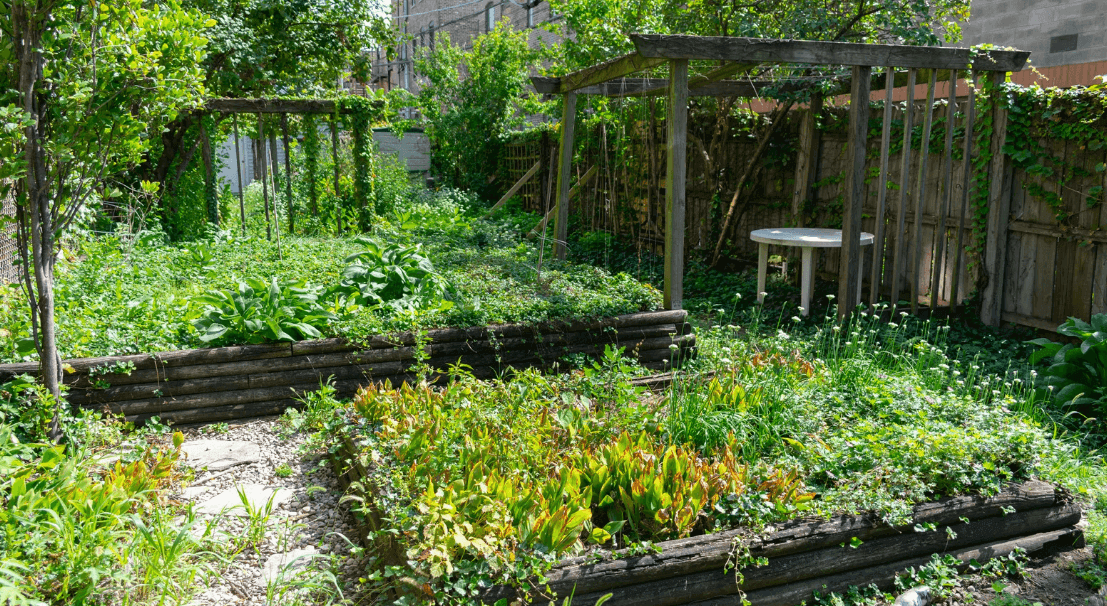
A cleaner lifestyle also involves considering what happens to materials after they have served their original purpose. Gardening projects can require raised beds, fencing, supports, storage structures, edging, and other materials. Choosing durable options can reduce the frequency with which those items need to be replaced.
Durability matters because repeatedly replacing outdoor structures creates additional demand for raw materials and produces more discarded material. Selecting products that can withstand weather and regular use may help extend their useful life.
When choosing materials, recyclability is another factor worth considering. Structural steel is 100% recyclable without losing its mechanical properties, according to Grand View Research. This makes steel an interesting option for certain garden structures and outdoor projects where strength and long-term durability are important.
The goal isn’t to replace every material in a garden with steel. Wood, stone, recycled materials, and other options may all have appropriate applications depending on the project. Instead, homeowners can consider durability, maintenance requirements, expected lifespan, and end-of-life options before making purchasing decisions.
Gardening provides a practical way to connect everyday habits with broader environmental choices. Growing some of your own food, supporting energy-conscious landscaping, and selecting durable materials can help turn an ordinary outdoor space into part of a cleaner, more thoughtful lifestyle.