Simple Coffee Swaps That Save Money Without Sacrificing the Ritual
This post contains affiliate links. Click here to read my affiliate policy.
Last Updated on August 28, 2026
Coffee is one of those small daily habits that can quietly become an expensive one. A few dollars here, a fancy syrup there, and before you know it your “cheap” morning cup is costing more than a proper meal by the end of the month. The good news is that cutting the cost doesn’t mean cutting the ritual. A handful of small changes can save real money while making your coffee routine feel more intentional, not less.
Here are the swaps that actually move the needle, without turning your morning cup into a chore.
None of these require expensive equipment or a big upfront cost. They’re the kind of changes you make once and then barely think about again, which is exactly what makes them sustainable.
Swap the Coffee Shop for a Ten-Minute Habit at Home

If you’re grabbing coffee out most mornings, this is the single biggest place to save, and the numbers make the case better than any pep talk about willpower. At today’s average of around $6.50 a cup, a daily habit runs close to $195 a month, or about $2,370 a year, before tips.
A 2026 survey from Drive Research found most people brewing at home spend $20 or less a month. That gap is mostly paying for convenience and atmosphere rather than the coffee itself.
Home coffee costs have climbed too, up 12.9% in the year to June 2026, but that’s still a small fraction of a daily café habit. You don’t have to give it up entirely, just shift the ratio: save the coffee shop for a weekend treat, and build a simple setup at home that you actually enjoy using on weekdays.
This is also where buying smarter, not just cheaper, makes a real difference. Grabbing whatever small bag is on sale might feel budget-friendly in the moment, but it usually costs more per cup over time and runs out faster than you’d like.
Switching to bulk coffee is a better long-term move: you get a noticeably lower price per cup, you’re not restocking every week, and you’re not stuck drinking whatever happened to be cheapest that particular Tuesday. Keep it in an airtight container once it’s open and it’ll hold its quality well, or portion off what you won’t get through in a few weeks and freeze it.
Make Your “Fancy” Drink at Home Instead
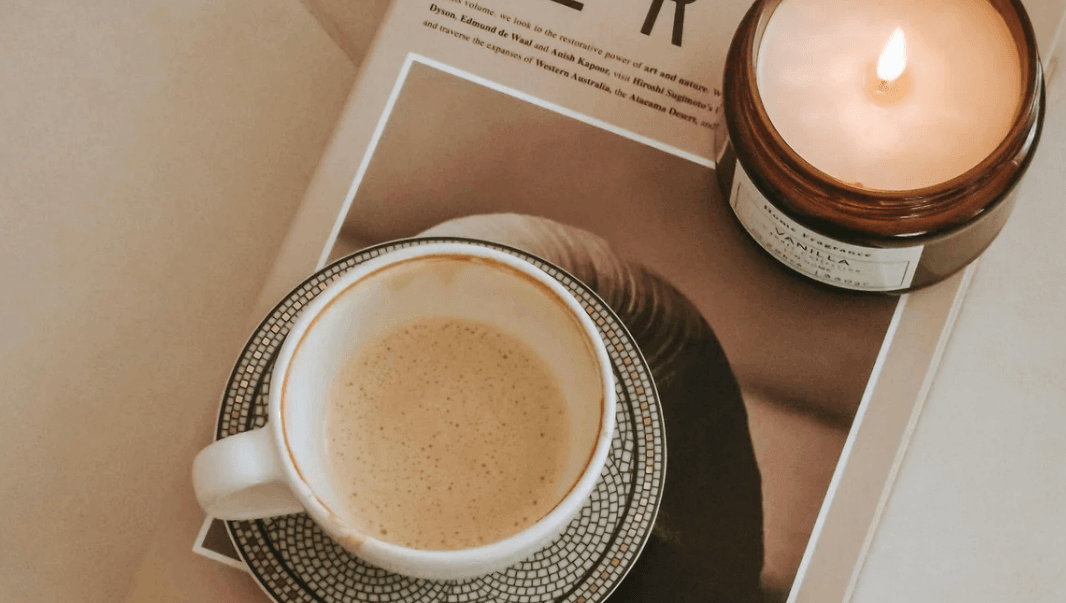
If a flavored latte or seasonal specialty drink is part of your routine, that’s usually the priciest habit to keep outsourcing. The good news is most of these drinks are simpler to recreate than they look.
A basic handheld milk frother, run for about thirty seconds in warm milk, gets you most of the way to that coffee shop texture, and paired with a bottle of good vanilla or a homemade simple syrup and a bit of cinnamon or cocoa powder, you’ll land close enough to the real thing that the savings are worth the small learning curve.
This is also a good place to be honest with yourself about what you actually love versus what’s become habit. If it’s the ritual and the warmth you’re after more than the specific flavor, a plain, well-made cup at home might satisfy you just as much once you give it a real chance.
Batch What You Can
If you’ve gotten into the habit of meal prepping on Sundays, this will feel familiar. Cooking in batches saves time and money in the kitchen, and the same logic applies to coffee. If you drink iced coffee through the warmer months, brew a larger batch on the weekend and store it chilled; it holds up well for several days, which means you’re not making a fresh pot from scratch every single morning.
The same goes for simple syrups or flavored creamers: a batch made on a Sunday will cover you all week, which is both cheaper and more convenient than buying pre-made versions every time you run out.
Rethink What “Good Coffee” Actually Costs
It’s easy to assume better coffee automatically means more expensive coffee, but that’s not really true once you account for what you’re actually paying for. A lot of the premium on small bags comes from packaging, marketing, and the convenience of grocery store shelf space rather than the quality of the beans themselves. Buying from a roaster directly, in a larger quantity, often gets you better beans for less money than the smaller bag sitting at eye level in the coffee aisle.
Whole bean over pre-ground is worth the small habit change too, if you’re not already there. A basic grinder is a modest one-time cost, and whole beans hold their quality longer than pre-ground, which means less of what you bought ends up thrown out half-used. It’s a small thing, but small things are what this whole approach is built on.
Build a Routine You Don’t Have to Think About
The real trick to saving money long-term isn’t a single big change, it’s making the cheaper option also the easier one. If your at-home setup is simple and your beans are always stocked, you’re far less likely to talk yourself into a coffee shop run out of convenience rather than desire. That’s really what this comes down to: a routine that saves money because it’s genuinely the path of least resistance, not because you’re gritting your teeth through it every morning.
Start with one swap, whether that’s brewing at home more often or buying your beans differently, and let the rest follow. Small, sustainable changes are the ones that actually stick, in your coffee habit and everywhere else.