How to Store Your Frying Pans to Prevent Scratches and Save Space
This post contains affiliate links. Click here to read my affiliate policy.
Last Updated on July 3, 2026
A busy kitchen can get messy in a blink. One pan gets dropped into a cabinet. Another gets pushed on top. Then the whole stack starts scratching, sliding, and clanging like it has its own bad mood. That is where a simple storage plan helps. When we store pans with care, we protect the finish, save room, and make daily cooking feel far less cramped. This guide is built around that idea, and this models also supports it because good cookware only stays good when it is stored well. A pan that stays smooth lasts longer. A cabinet that stays neat is easier to use. That is not fancy talk. It is just common sense with better results.
We are going to keep this simple and useful. First, we will look at how to stop scratches before they start. Then we will cover the best ways to use shelf space, drawer space, and wall space without making the kitchen feel packed. We will also talk about lids, handles, and those odd pan shapes that never seem to fit anywhere. You might be wondering whether this needs a special rack or a big home upgrade. It does not. Most of the time, a few small changes do the job. A soft liner, a better stack, or one open slot can make a real difference. We will also keep food storage habits in mind, because a tidy kitchen works best when every item has a clear place. That includes pans, lids, and the containers that sit beside them. When everything is set up in a clear way, cooking feels calmer. Cleanup feels quicker too. And yes, that matters on a regular Tuesday night when dinner must happen fast.
How to stack frying pans without scratching them
The first rule is simple. Do not let bare metal rub against bare metal. That is how marks begin. Even a quick slide can leave tiny scratches that grow over time. If your pans are nonstick, the risk is even higher. The coating needs a soft touch. A paper towel, felt pad, or pan protector can act like a small shield between each piece. Keep the heaviest pan at the bottom so the stack stays steady. Put lighter pans above it. Do not make the pile too tall, because tall stacks tend to tip when you reach for one pan. That is when the whole shelf turns into a small disaster. Let’s be honest, nobody wants that noise first thing in the morning.
- Use a soft layer between each pan:
A thin cloth or liner keeps the surfaces apart. It also helps the pans slide less.
- Stack by size:
Small pans should sit with small pans. Large pans should not crush the ones below them.
- Keep the stack low:
Short stacks are easier to lift. They also stay safer in tight cabinets.
- Dry every pan first:
Moisture can leave marks and make the storage space feel damp. That is never a good mix.
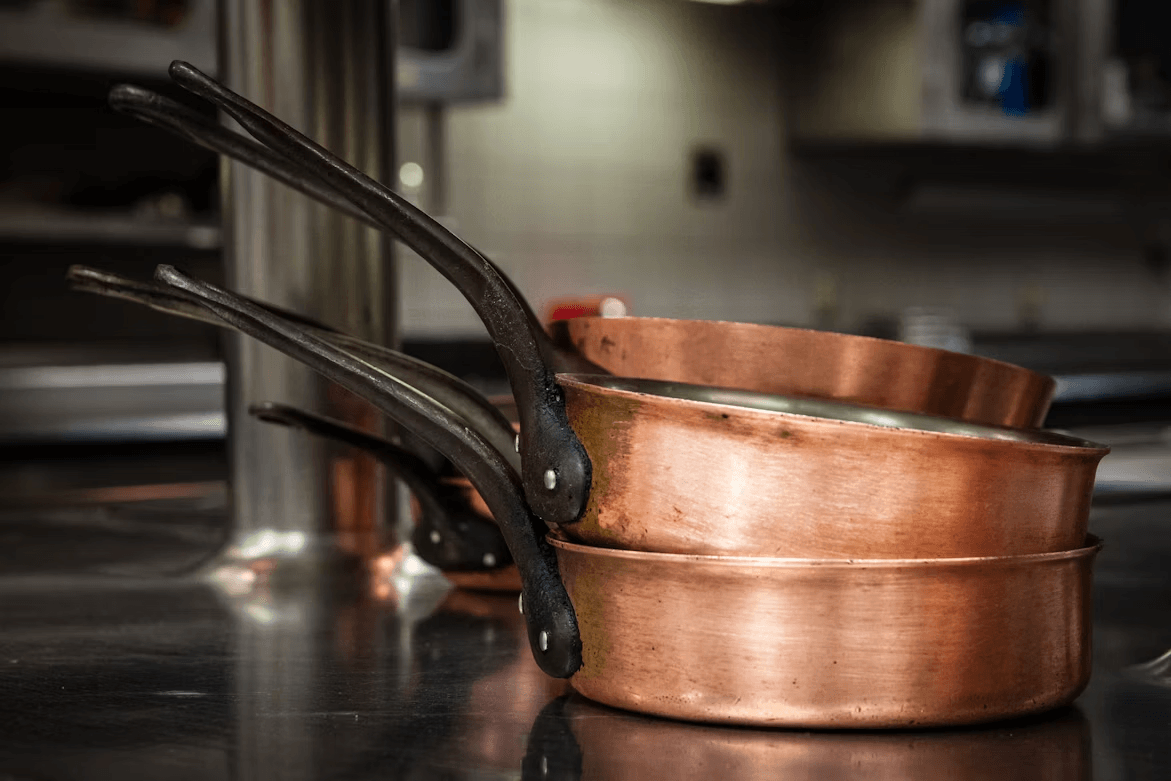
A few careful steps here can save a lot of wear later. You do not need a perfect setup. You need a setup that stops rubbing and keeps the pans easy to reach.
Why cabinet space matters more than you think
Cabinet space does more than hold pans. It shapes how smoothly the whole kitchen works. If the cabinet is packed too tight, you end up shuffling pans every time you cook. That slows things down. It also raises the chance of scratches, because pans bump into each other when space is tight. A little room between items can fix a lot. It gives your hands space to move. It gives the pans space to rest. It also makes it easier to see what you own, which helps keep the kitchen from getting cluttered with extra items you forgot about. Space is not just about size. It is about access.
A wide shelf can work well if you place pans on their sides with a divider. A deep drawer can also work if you keep the stack short and neat. Hanging storage is another smart option when cabinet space is low. Just make sure the hook or rack is strong enough for the pan weight. You do not want a pan swinging into a wall every time you grab a spoon. That sort of thing makes a mess fast. Here are a few easy ways to think about it:
- Put daily-use pans where you can reach them fast.
- Move less-used pans to the back or the top.
- Keep lids near the pan they belong to.
- Leave one open spot so the cabinet does not feel packed.
A good storage spot should make life easier, not harder. If you have to fight the cabinet every day, the setup is wrong.
How to build a pan zone that stays tidy
A pan zone is just one set place for frying pans. It sounds simple because it is simple. The trick is to keep every pan in the same area so you do not have to hunt for it later. Start by clearing out the shelf or drawer. Wipe it clean. Then decide which pans you reach for most often. Put those in front or on top. Put the less-used pans farther back or higher up. This helps the kitchen follow your real habits, not an old guess. When the right pan is always close by, cooking starts faster, and cleanup stays easier. That is a nice change when dinner is already late, and everyone is hungry.
- Pick one home for daily pans: A fixed spot saves time and stops pans from drifting around the kitchen.
- Group pans by size or use: This keeps the stack calm and makes it easier to grab the right one.
- Add one separator to each stack: Even a soft cloth can prevent wear and keep the finish looking better.
- Leave room for the handle: Long handles need space. If they are bent or crushed, the whole stack becomes awkward.
- Check the setup once a month: Pans move over time. A quick reset keeps the zone useful.
This kind of setup works well in small kitchens too. You do not need a huge space. You need one clear system and the habit of putting things back where they belong.
What to do with lids, handles, and awkward shapes
Lids and odd pan shapes can make storage feel tricky. That is normal. Not every pan is shaped like a perfect circle, and not every cabinet is built for easy stacking. The best fix is to stop the loose parts from bumping into each other. Store lids upright in a divider, rack, or slot if you have one. That keeps them from sliding and knocking against the pans. If a handle sticks out too far, turn the pan so the handle has room to rest. A handle that gets jammed can make the whole stack awkward. It can also lead to more bumps when you pull one pan out.
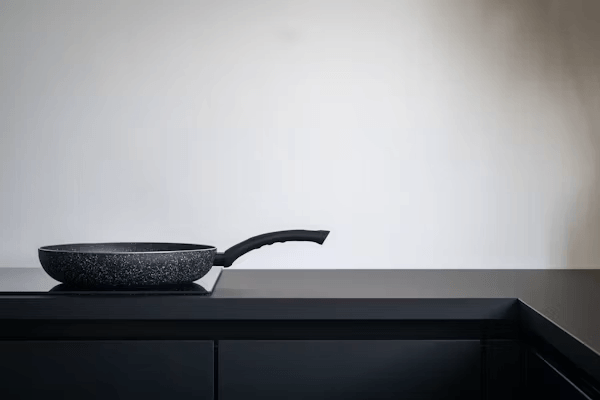
Awkward shapes do better when they are not buried under heavy items. Give them their own small space if you can. That could be a lower shelf, a side rack, or one open drawer section. If you cook often, place the most used pieces in the easiest spot. Do not save the best space for the least used pan. That always feels backwards later. The real goal is simple. Keep the storage calm, keep the surfaces apart, and make every item easy to reach. When the lids, handles, and pan bodies all have room to breathe, the kitchen feels less like a pile and more like a system. That small shift makes a big difference over time.
How to keep the setup working every day
The best storage plan is the one you will keep using. That is the whole point. A clean cabinet for one day does not help much if it turns messy again next week. So start small and keep it easy. Give each pan a soft layer. Keep stacks short. Use one fixed spot for your daily pans. Make room for lids and handles. Those small steps are enough to keep scratches down and space open. They also make the kitchen feel less rushed. When you know where things live, cooking feels smoother from the start.
We think that is the real win here. Not just a neat shelf, but a kitchen that works better every day. Once the pans are stored well, the rest of the room gets easier too. You spend less time searching. You spend less time fixing messes. You spend more time cooking without the little annoyances that get in the way. So take ten minutes today, sort the pan stack, and give each piece a safer place. Your future self will notice the change right away.