How to Read a Supplement Label Like You Read a Recipe
This post contains affiliate links. Click here to read my affiliate policy.
Last Updated on June 22, 2026
If you cook real food, you already do the hard part. You flip a jar over, scan the ingredient list, and decide in about 10 seconds whether it belongs in your kitchen. A short list of foods you recognize earns a spot on the shelf. A paragraph of additives you cannot pronounce goes back. That instinct is worth more than any front-of-pack badge.
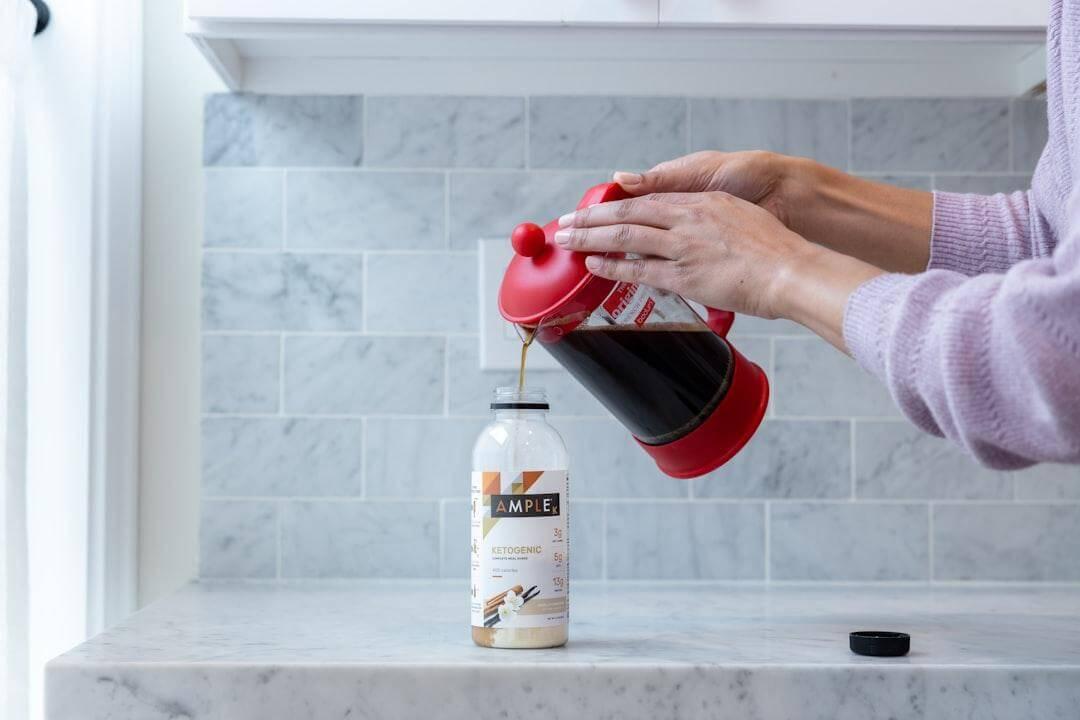
The same instinct works on supplements and functional foods, but the packaging fights you harder. Collagen powders, electrolyte mixes, and protein blends are sold with bold promises that the back panel often softens. A marketing agency such as NutraMarketers builds the strategy, packaging design, and ad copy that move a supplement from concept to cart. The prettiest label is sometimes the most carefully engineered one. Reading it slowly puts you back in control.
Start With the Ingredient List, Not the Front
The front of a package is advertising. The back is the closest thing to the truth. Flip every product over before the colors and claims pull you in.
Ingredients are listed by weight, heaviest first. If a greens powder leads with rice flour or maltodextrin, the actual greens sit far down the list and the serving is mostly filler. The same rule that guides a clean whole-food recipe applies here: fewer ingredients you recognize is usually the better buy.
Watch for these three quick tells when you scan a panel:
- Filler up top: cheap bulking agents listed before the headline ingredient.
- Proprietary blend: a single weight covering several ingredients, so you cannot see how much of each you get.
- Long additive tail: five or more colors, gums, and sweeteners you would never add at home.
A 2-second front-label glance sells. A 30-second back-label read informs. The second habit saves money on products that underdeliver.
Decode the Claims Without the Hype
Health-adjacent claims follow real rules, and knowing the rules makes the wording easier to read. A “structure/function” claim describes a general role, while disease claims are tightly restricted. The U.S. Food and Drug Administration explains how it regulates dietary supplements and what labels can and cannot say. That page is a useful 5-minute read before your next order.
Advertising sits under a second authority. The Federal Trade Commission reviews how health products are marketed and expects claims to be backed by evidence, not vibes. When a product page leans on testimonials and dramatic before-and-after stories, that is a marketing choice, not proof.
Translate the common phrases as you read:
- “Supports” or “helps maintain”: a soft, general claim, not a cure.
- “Clinically studied”: ask studied at what dose, and is that dose in this product.
- “Doctor formulated”: a credential on the team, not a result for you.
None of this means a product is bad. It means the words are doing a job, and your job is to read past them.
Match the Dose to the Serving Size
Serving size is where good labels and clever ones part ways. The promise on the front only holds if you take the exact serving on the back, and that serving is sometimes larger than anyone would use.

A protein powder might advertise 25 grams of protein, but only across 2 scoops. An electrolyte mix might list a full daily value that assumes 3 servings. A packaged snack can do the same trick, listing a tidy nutrition line that only holds for a tiny portion. Do the math once, because it changes the price per real serving fast.
Run this simple check before you buy:
- Servings per container: divide the price by this number for the true cost.
- Active amount per serving: confirm the headline ingredient is at a real dose.
- Daily servings needed: see whether the claim needs 1 serving or several.
Numbers settle the question. A jar with 40 servings at a steady dose beats a flashier jar with 14.
Trust the Brand, Then Verify
A label is the brand’s first promise, so the company behind it matters. Look for a real address, a working contact page, and clear sourcing rather than slogans. Third-party testing seals add another layer, since an outside lab checked what the panel claims.
Verification takes minutes and protects your budget. Search the brand name with the word “recall,” read 15 to 20 recent reviews, and skip any product whose only praise lives on its own site. The same scrutiny you give a new recipe before serving it to family works for anything you swallow daily.
Frequently Asked Questions
Are Supplement Labels Regulated the Same Way Food Labels Are?
Supplements follow their own labeling rules, separate from packaged foods. Manufacturers are responsible for safety and labeling before products reach shelves, and the FDA acts mainly after products are on the market. That makes your own reading more important, not less. Treat the panel as a starting point, confirm the dose and ingredient order, and look for third-party testing when a claim feels large.
What Is a Proprietary Blend and Why Should I Care?
A proprietary blend groups several ingredients under one combined weight, so you see the total but not each amount. A blend might list 5 ingredients in 500 milligrams without showing how those milligrams split. The headline ingredient could be a tiny fraction of the mix. When two products cost the same, the one that lists each amount openly is the easier call.
Do Functional Foods Need Different Reading Than Pills?
Yes, because functional foods blend a snack with a supplement-style claim. A protein bar or a greens drink still lists ingredients by weight, so the same scan applies. Check whether the functional ingredient sits near the top or the bottom, and read the sugar line closely. Many products marketed as healthy carry 12 to 18 grams of added sugar per serving.
How Can I Tell Marketing From Real Evidence?
Marketing speaks in feelings, while evidence speaks in specifics. Watch for vague power words, dramatic testimonials, and claims with no dose attached. Real support names the ingredient, the amount, and ideally the research. If a product page shows only lifestyle photos and 5-star quotes, treat it as advertising and dig deeper.