
Understanding Your Role in Someone’s Healing Journey
This post contains affiliate links. Click here to read my affiliate policy.
Last Updated on September 17, 2026
When someone you care about is struggling with mental health challenges, you might feel helpless, confused, or overwhelmed by the weight of wanting to help but not knowing how. You’re not alone in these feelings. Millions of people navigate the complex terrain of supporting loved ones through depression, anxiety, trauma, addiction, and other mental health conditions every single day. Your presence and willingness to learn can make a profound difference in their recovery, even when it doesn’t feel like enough.
Supporting someone through mental health recovery isn’t about fixing them or having all the answers. It’s about showing up consistently, educating yourself, and creating a safe space where healing can unfold naturally. This guide will walk you through practical strategies, communication approaches, and self-care practices that will help you become the steady, compassionate presence your loved one needs during their most vulnerable moments.
Educate Yourself About Their Specific Condition
Your first step in offering meaningful support is understanding what your loved one is actually experiencing. Mental health conditions aren’t one-size-fits-all, and the challenges someone faces with bipolar disorder look vastly different from those associated with generalized anxiety disorder or post-traumatic stress disorder. Take time to research their specific diagnosis from reputable sources like the National Institute of Mental Health, peer-reviewed journals, or books written by mental health professionals.
As you educate yourself, pay attention to common symptoms, treatment approaches, and what triggers might worsen their condition. This knowledge helps you recognize when they’re struggling, even if they can’t articulate it themselves. You’ll learn that depression isn’t just sadness-it’s exhaustion, numbness, and a brain chemistry imbalance that makes even small tasks feel insurmountable. Anxiety isn’t simply worry-it’s a physical experience of a racing heart, tight chest, and catastrophic thinking patterns that feel completely real in the moment.
Understanding also means recognizing that mental health conditions often don’t exist in isolation. Many people experience co-occurring disorders, where substance use and mental health challenges intertwine and complicate each other. When someone is self-medicating anxiety with alcohol or using substances to escape trauma symptoms, they need integrated treatment that addresses both issues simultaneously rather than treating them as separate problems.
Master the Art of Active Listening
One of the most powerful gifts you can offer someone in recovery is your undivided attention. Active listening goes far beyond simply hearing words-it’s about creating a judgment-free space where your loved one feels safe expressing their darkest thoughts and most difficult emotions. When they’re ready to talk, put away your phone, turn off the television, and give them your full presence.

Resist the urge to immediately offer solutions or share similar experiences from your own life. While your intentions are good, jumping to fix mode can inadvertently communicate that their feelings are problems to be solved rather than valid experiences to be witnessed. Instead, use reflective listening techniques. Paraphrase what you’ve heard to ensure understanding: “It sounds like you’re feeling overwhelmed by the pressure at work and it’s triggering your anxiety.” Ask open-ended questions that invite deeper sharing: “What does that feel like for you?” or “How can I best support you right now?”
Pay attention to non-verbal cues as well. Sometimes what’s not being said speaks louder than words. If your loved one suddenly withdraws, cancels plans repeatedly, or shows changes in sleep patterns or appetite, these behavioral shifts might signal that they’re struggling even if they haven’t verbalized it. Gently checking in without being pushy shows that you’re paying attention and that you care.
Respect Their Treatment Journey and Professional Boundaries
Mental health recovery often involves professional treatment-therapy, medication, support groups, or structured programs. Your role is to encourage and support their engagement with these resources, not to become their therapist or treatment manager. Trust that mental health professionals have the training and expertise to guide the clinical aspects of recovery, while you provide the personal support that only a loved one can offer.
If your loved one is participating in intensive treatment programs or has recently completed inpatient care, they may need structured aftercare support to maintain their progress. Transitional environments that bridge the gap between intensive treatment and independent living can be crucial for sustained recovery, particularly when someone is working on building healthy routines and coping skills. For instance, sober living homes billings mt and similar structured environments provide accountability and peer support during this vulnerable transition period.
Respect their privacy regarding treatment details unless they choose to share. You don’t need to know everything discussed in therapy sessions or every medication adjustment. What matters is that they’re engaging with care and that you’re supporting their commitment to treatment. Celebrate their consistency in attending appointments, even when progress feels slow or invisible.
Learn to Recognize Warning Signs and Crisis Situations
While you’re not responsible for managing your loved one’s mental health, knowing how to recognize warning signs of crisis can literally save their life. Familiarize yourself with the specific red flags associated with their condition. For depression, this might include talking about death or suicide, giving away prized possessions, or expressing feelings of hopelessness about the future. For addiction, warning signs might include secretive behavior, financial problems, or abandoning previously important relationships and activities.
Have a crisis plan in place before you need it. Know the number for the National Suicide Prevention Lifeline (988), local crisis response teams, and your loved one’s treatment providers. Discuss with your loved one, during a stable moment, what they’d want you to do if you become seriously concerned about their safety. Some people are comfortable with you calling their therapist or taking them to an emergency room, while others have strong preferences about how crisis situations should be handled.

Trust your instincts. If something feels seriously wrong, it’s better to err on the side of caution and reach out for professional guidance. You’re not overreacting by taking suicide threats seriously or by seeking help when someone’s behavior becomes erratic or dangerous. Crisis intervention isn’t about controlling someone-it’s about ensuring they stay safe long enough for the crisis to pass and for clearer thinking to return.
Set Healthy Boundaries While Remaining Supportive
Supporting someone through mental health recovery doesn’t mean sacrificing your own wellbeing or accepting harmful behavior. You can be compassionate and supportive while still maintaining boundaries that protect your mental health, time, and emotional energy. In fact, healthy boundaries make you a more effective support person because they prevent burnout and resentment from building up over time.
Boundaries might look like limiting late-night crisis calls to true emergencies, declining to participate in enabling behaviors, or stepping back when your loved one refuses professional help but expects you to manage their symptoms. It’s okay to say, “I love you and I’m here for you, but I’m not qualified to be your therapist. I really think you need to talk to a professional about this.” It’s also okay to say, “I need to take care of myself tonight, but let’s talk tomorrow.”
Communicate your boundaries clearly and kindly, explaining that they come from a place of wanting to maintain a healthy relationship long-term. When you set limits, follow through consistently. If you threaten consequences but never enforce them, your boundaries become meaningless and your loved one learns they don’t need to respect them.
Remember that you cannot force someone into recovery if they’re not ready. You can offer resources, express concern, and set boundaries around what you will and won’t accept, but ultimately each person must choose their own healing path. Accepting this reality is painful but necessary for your own peace of mind.
Practice Self-Care Without Guilt
Caring for someone with mental health challenges is emotionally exhausting work that can leave you depleted, anxious, and questioning whether you’re doing enough. The truth is, you cannot pour from an empty cup. Taking care of yourself isn’t selfish-it’s essential for your ability to show up as a stable, grounded presence in your loved one’s life.
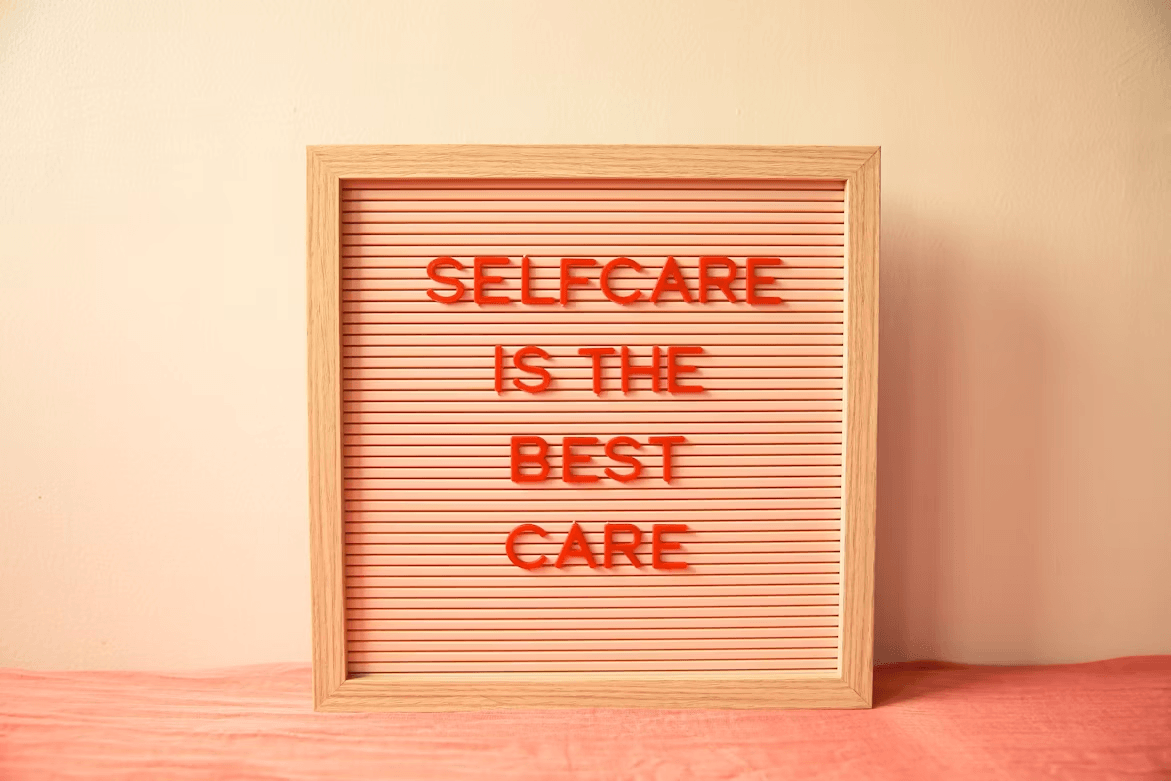
Prioritize your own mental health by maintaining connections with friends, engaging in activities that bring you joy, and seeking therapy for yourself if needed. Many therapists specialize in working with family members of people with mental illness and can help you process your own complex emotions around the situation. You might be dealing with grief over the person your loved one used to be, fear about their future, or frustration with their resistance to help.
Join a support group for family members and caregivers. Organizations like NAMI (National Alliance on Mental Illness) offer free family support groups where you can connect with others who truly understand what you’re going through. These spaces provide validation, practical advice, and the reminder that you’re not alone in this journey. Hearing how others have navigated similar challenges can offer hope and new strategies you haven’t considered.
Give yourself permission to take breaks. You can love someone deeply and still need time away from the intensity of their struggles. Taking a weekend for yourself, saying no to a request, or asking another family member to step in doesn’t make you a bad person-it makes you human.
Celebrate Small Victories and Practice Patience
Mental health recovery rarely follows a linear path. There will be good days and setbacks, periods of progress and times when everything feels stuck or even moving backward. Adjusting your expectations to match this reality will save you and your loved one from unnecessary disappointment and frustration.
Learn to recognize and celebrate small victories that might seem insignificant to outsiders but represent genuine progress. Getting out of bed, taking a shower, attending a therapy appointment, or making it through a triggering situation without using unhealthy coping mechanisms-these are all meaningful achievements worthy of acknowledgment. Your recognition of these small steps can help your loved one see their own progress when depression or anxiety tells them they’re not getting better.
Avoid comparing their recovery timeline to anyone else’s or to what you think it should look like. Each person’s healing journey is unique, influenced by their specific diagnosis, trauma history, support system, access to resources, and countless other factors. What worked for your friend’s brother or what you read in a book might not apply to your loved one’s situation.
Practice patience with both your loved one and yourself. You’ll make mistakes in how you respond or what you say. You’ll feel frustrated when they seem to reject the help you’re offering or when they make choices you don’t understand. These feelings are normal and don’t mean you’re failing as a support person. Apologize when you mess up, learn from the experience, and keep showing up.
Understand the Role of Holistic Healing
While professional treatment and medication are often essential components of mental health recovery, healing happens on multiple levels. Encourage your loved one to explore holistic approaches that complement their clinical care, such as mindfulness practices, yoga, art therapy, nature immersion, or spiritual practices that resonate with their beliefs.
Physical health significantly impacts mental wellbeing, so supporting your loved one in maintaining basic self-care routines can be incredibly helpful. This might mean cooking nutritious meals together, going for walks, or helping them maintain a consistent sleep schedule. These activities also give you ways to spend quality time together that don’t revolve around discussing their mental health struggles.
For some people, cultural or spiritual practices play a vital role in healing. If your loved one finds comfort in their faith tradition, Indigenous healing practices, or other spiritual frameworks, respect and support these aspects of their recovery even if they’re not part of your own belief system. Healing that honors the whole person-mind, body, and spirit-tends to be more sustainable than approaches that only address symptoms.
Know When to Step Back and When to Step Up
One of the most challenging aspects of supporting someone through mental health recovery is knowing when your involvement is helpful and when it’s actually hindering their growth. There’s a fine line between being supportive and becoming codependent, between helping and enabling.
Step back when you find yourself doing things your loved one is capable of doing for themselves, even if it takes them longer or they don’t do it perfectly. Recovery involves building self-efficacy and confidence, which only happens through practice and sometimes through failure. If you’re constantly rescuing them from natural consequences or taking over tasks they should manage, you’re inadvertently communicating that you don’t believe they’re capable.
Step up when there’s a genuine crisis, when safety is at risk, or when your loved one explicitly asks for specific help. Step up by educating yourself, by showing up consistently, and by advocating for them when they don’t have the energy or clarity to advocate for themselves. The key is responding to their actual needs rather than your anxiety about their situation.
Moving Forward Together
Supporting a loved one through mental health recovery is one of the most challenging and meaningful things you’ll ever do. It requires patience, education, boundary-setting, self-care, and an enormous amount of compassion-for them and for yourself. You won’t do it perfectly, and that’s okay. What matters is that you keep showing up, keep learning, and keep believing in their capacity for healing even when they can’t believe in it themselves.
Remember that recovery is possible. With appropriate treatment, support, and time, people with mental health conditions can and do build meaningful, fulfilling lives. Your role in that journey matters more than you might realize. The simple act of being present, of listening without judgment, of maintaining hope when everything feels hopeless-these things create the foundation upon which recovery can be built.
Be gentle with yourself as you navigate this path. Seek support for your own wellbeing, celebrate the small victories, and trust that your love and commitment make a difference, even on the days when it doesn’t feel like enough. You’re doing important work, and your loved one is fortunate to have someone who cares enough to learn how to support them well.