What Food Can and Cannot Do for Chronic Pain
This post contains affiliate links. Click here to read my affiliate policy.
Last Updated on September 16, 2026
If you have been eating this way for a while, you have probably read that inflammation is behind most modern suffering and that the right plate can fix it. Some of that is true. A good deal of it is oversold, and the oversell does real harm to people in pain.
The honest version is more useful. Diet can shift some of the background conditions that pain sits in. It does not resolve a compressed nerve or a worn joint. At some point you stop adjusting the plate and book an appointment with something like the pain management team at Core Medical & Wellness. That decision is worth making deliberately rather than by exhaustion.
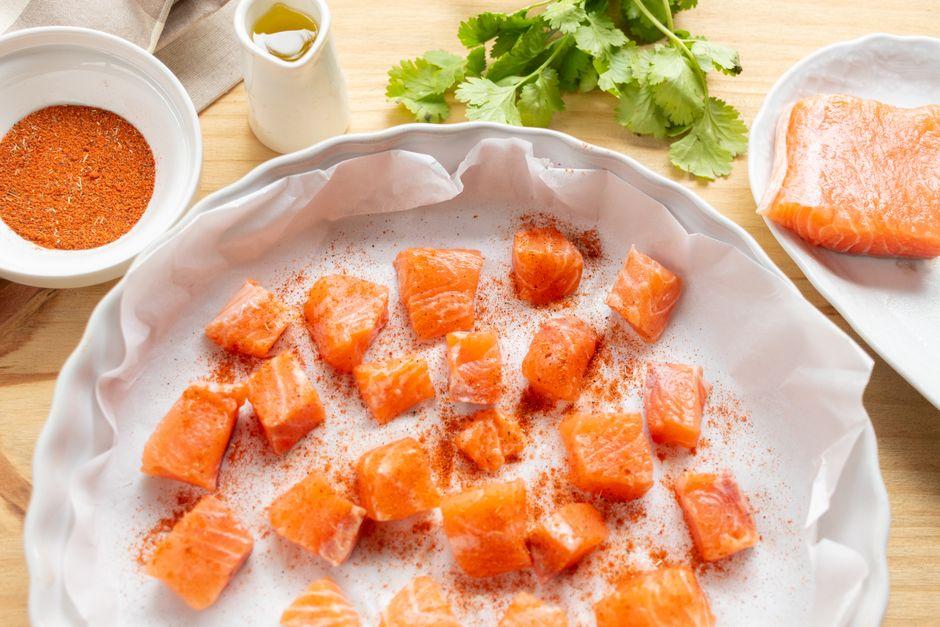
Photo by Laura oliveira on Pexels
Why Does Diet Come Up In Pain Conversations?
Because inflammation is genuinely involved in a lot of pain, and diet genuinely influences inflammation. Both halves are real.
The gap is in the size of the effect. A dietary pattern nudges systemic inflammatory markers over months. That is a different scale of intervention to a nerve block, and it is not competing with one.
Demand plays a part too. Chronic pain is common, clinical answers are often slow, and food is something you control today. That combination makes dietary claims attractive well past where the evidence supports them.
How Strong Is the Evidence, Honestly?
Two claims have real trial data behind them. It is worth seeing exactly what that data says.
A 2026 systematic review and meta-analysis of randomized controlled trials, published in Nutrition Reviews, found the Mediterranean diet significantly improved several inflammation biomarkers. The markers named were hs-CRP, IL-6 and IL-17. The authors also call for further high-quality work, which is the honest caveat rather than a footnote.
For pain itself, a 2025 systematic review and meta-analysis in Frontiers in Medicine reported a moderate reduction in chronic pain intensity from omega-3 supplementation. The standardized mean difference was -0.55. Relief was measurable at 1 month and larger by 6 months, and doses at or below 1.35 g per day outperformed higher ones. Heterogeneity across the trials was high, so treat the size of that effect as approximate.
The rest of the picture is indirect:
- Weight change alters mechanical load on knees and hips, which is mechanical rather than biochemical.
- Blood sugar stability affects energy and sleep, and sleep affects how pain is perceived.
Those are real benefits and limited ones. They improve the conditions around pain rather than treating its source. The American Society for Nutrition and the Arthritis Foundation are both better guides to where research stands than most of what circulates in wellness spaces.
Which Foods Earn Their Reputation?
The unglamorous ones, mostly.

Photo by Microsoft Copilot on Unsplash
Oily fish carries the strongest single case, through its omega-3 content. Olive oil, leafy greens, nuts, legumes and colorful vegetables form the pattern that shows up repeatedly in the literature. Herbs and spices including turmeric and ginger appear in promising studies, usually at doses well above culinary amounts.
What matters more than any single food is the pattern held over time. A daily list of everyday anti-inflammatory foods is more useful than an intensive month followed by a return to whatever came before.
Be cautious with supplement doses. Concentrated extracts are not automatically safer for being derived from food, and several interact with anticoagulants.
Where Does Diet Stop Being Enough?
At the point where the pain has a structural or neurological source, which is more often than dietary writing tends to admit. Even where a structural diagnosis exists, food still has a supporting role, and guidance on anti-inflammatory foods for degenerative scoliosis is a fair illustration of that boundary.
Some markers that you are past the reach of food:
- Pain that radiates into an arm or a leg, which suggests nerve involvement.
- Numbness, tingling or weakness anywhere.
- Pain unchanged after 3 months of genuine dietary and lifestyle effort.
- Night pain that wakes you rather than pain you fall asleep despite.
- Any loss of function, including grip, balance or bladder control.
That last group warrants prompt medical attention rather than another dietary experiment. For the overlap between diet and clinical care, patient guidance from the Arthritis Foundation treats the two as complementary rather than pretending either replaces the other.
The two are not in competition, which is the part worth holding onto. Somebody having an injection for a facet joint still benefits from sleeping better and carrying less load through that joint. Diet keeps doing its work in the background while a clinician deals with the specific structure generating the pain.
What About Elimination Diets?
They are a diagnostic tool, and a blunt one.
Removing a food group for a defined window and reintroducing it carefully can identify a genuine trigger. That is legitimate. The problems start when elimination becomes permanent by default, the list grows, and the diet narrows to a point where it creates its own problems.
Run it properly or not at all:
- Pick a window of 3 to 4 weeks and write down the end date.
- Remove 1 food group, not 5, or you will not know what caused any change.
- Track symptoms daily rather than reconstructing the month afterwards.
- Reintroduce deliberately over 2 to 3 days and watch what happens.
- Decide in advance what result would justify continuing.
Open-ended restriction is not a plan. It is how a diet quietly narrows to 12 foods over 2 years.
Frequently Asked Questions About Diet and Pain
How Long Before You Notice Anything?
Weeks rather than days for inflammatory markers, and often longer for symptoms. Anything promising relief within days is describing something other than an inflammatory mechanism.
Does Keto Help With Pain?
Some people report improvement, and evidence for pain specifically remains limited. It is reasonable to try and unreasonable to present as established.
Are Nightshades Really a Problem?
For most people, no. A minority appear to react, which is exactly what a structured elimination window is for.
Should You Take Fish Oil Instead of Eating Fish?
Whole food is the better default. Supplements matter most when intake is genuinely low, and dosing deserves a conversation given how they interact with blood thinners.
Eating Well Without Overpromising
Keep doing the dietary work. It is worth doing on its own terms, for joint health, energy and a good deal else besides.
Just hold it to what it can deliver. If 3 months of honest effort has not moved the pain, that is information, not failure, and the next step is a clinical one.