Wellness-First Summer Style for Active Days
This post contains affiliate links. Click here to read my affiliate policy.
Last Updated on May 21, 2026
Summer wellness is not just hydration and salads. The wardrobe choices matter too. The right summer style outfit supports outdoor time. A poor choice undermines the hydration, sun-safety, and comfort routine the rest of the day is built around.
A wellness-first summer style wardrobe is a small rotation of warm-weather pieces chosen for breathability, UV protection, and movement. Retailers like Princess Polly’s collection of womens summer clothes anchor the casual-active end of that wardrobe.
The framework below covers what to look for and how the choices interact with the rest of a summer wellness routine.
Why Does Summer Style Affect Wellness Outcomes?
A wellness outcome is a daily measurable that depends on hydration, body temperature, skin protection, and movement comfort across the active hours of the day.
The first reason wardrobe matters is the heat-stress equation. The CDC’s National Institute for Occupational Safety and Health heat-stress prevention hub documents how clothing choice contributes to heat illness risk. Heavy synthetics trap heat and sweat. Loose, breathable natural fibers move heat away from the body.
The second is the sun-protection layer. Skin not covered by clothing depends on sunscreen alone. Skin under UPF-rated fabric carries durable protection across the day. The right cover-up is meaningfully more reliable than re-application discipline.
The third is the movement allowance. A summer dress that restricts the stride affects walking pace, posture, and the willingness to take the long route home from the farmers market. The piece that lets you move freely supports the activity day.
What Fabrics and Fits Actually Support an Active Summer Day?
Five wardrobe traits anchor the wellness-first summer rotation.
- Breathable natural fibers. Cotton, linen, and Tencel-blend pieces move heat away from the body better than polyester-heavy synthetics.
- Loose silhouettes. Flowing maxi dresses, wide-leg pants, and relaxed tops let air circulate and skin breathe.
- UPF-rated cover-ups. A lightweight long-sleeve overshirt with UPF 30+ covers the shoulders during peak-UV hours.
- Light colors. Whites, pastels, and light neutrals reflect sunlight more than dark colors absorb it.
- Quick-dry construction. Fabrics that dry within minutes after sweat or water exposure prevent the clammy day-into-evening drag.
The National Weather Service’s heat safety overview covers the broader heat-risk framework worth pairing with the wardrobe choices.

How Does Summer Style Integrate With a Wellness Routine?
The right outfit makes the routine easier rather than competing with it.
Hydration becomes simpler when clothes have a small pocket for a water bottle’s filter cap or when bag selection accommodates a 24-ounce bottle without strain. Coverage of the easy paleo diet meal plan reinforces that the small daily habits compound across the season.
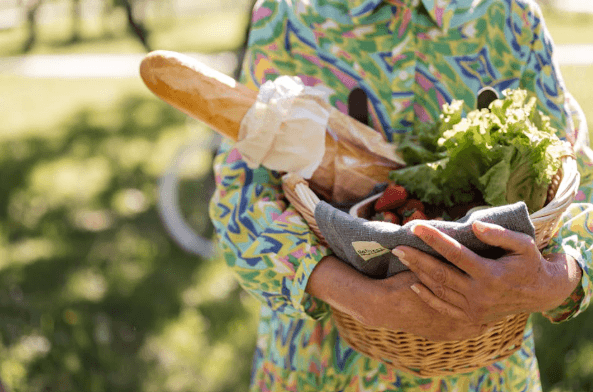
Outdoor meals fit better when the outfit suits both the farmers market and the patio lunch. A piece that goes from morning errand to lunch with friends saves the mid-day outfit change.
Movement happens more easily when the outfit allows it. A walk to the trail, an impromptu yoga session in the park, or a beach-to-cafe pivot all benefit from clothing that does not need adjusting every five minutes.
Coverage of 50 paleo side dishes hints at how the outdoor-meal routine compounds across summer weekends.
What Are the Common Summer-Wardrobe Mistakes?
A wardrobe mistake is a piece choice that creates daily friction across the wellness routine.
The first is the polyester-heavy default. The piece looks good in the photo but traps sweat across the actual outdoor day. Cotton or linen serves the wellness goal better.
The second is the too-tight fit. Body-skimming silhouettes can look great on a static evening but restrict the wide range of movement summer days actually call for.
The third is the dark-color summer choice. Dark fabrics absorb heat. Light colors handle the sun better when the day stretches across multiple outdoor stops.
The fourth is the no-cover-up plan. Skin without a layer depends entirely on sunscreen, and most sunscreen applications fall short of the labeled SPF in practice.
The fifth is the wrong shoe pairing. A great summer dress paired with shoes that hurt by lunch sabotages the whole day’s rhythm.
A Quick Reality Check for the Summer Wardrobe
- Build the rotation around 5 to 7 hero pieces in breathable natural fibers
- Add one UPF-rated long-sleeve cover-up for high-UV hours
- Pair every dress with a tested comfortable shoe, not a first-impression one
- Confirm pocket and bag fit with the daily water bottle
- Audit the rotation quarterly as the season shifts
The Honest Bottom Line on Wellness-First Summer Style
A small, deliberate summer wardrobe supports the broader wellness routine rather than competing with it. The right pieces handle heat, sun, and movement across the active day.
Readers who build the rotation around 5 to 7 hero pieces feel better through the season.
The pairing with a UPF-rated cover-up and tested footwear closes the loop on the routine. The discipline pays back across every outdoor meal, walk, and patio evening summer offers, and the savings compound on the seasonal grocery run as well.
Frequently Asked Questions
What Fabrics Are Best for an Active Summer Wardrobe?
Cotton, linen, and Tencel-blend fabrics outperform polyester for breathability and heat management. Look for natural-fiber-dominant blends when possible.
How Many Summer Outfit Pieces Do I Actually Need?
A 5-to-7 hero piece rotation covers most active-summer scenarios. Add one UPF-rated cover-up and 2 to 3 versatile dresses to round out the wardrobe.
Do UPF-Rated Clothes Replace Sunscreen?
For covered skin, mostly yes. UPF 30+ rated fabric blocks more than 95% of UV across the covered area. Sunscreen still applies to face, hands, and any uncovered skin.
How Does the Wardrobe Choice Affect Hydration?
A breathable, loose-fit outfit reduces sweat output and supports temperature regulation. The hydration deficit across the day stays lower. The wardrobe choice is not a hydration substitute, but it makes the routine easier. Pairing the outfit with a 24-ounce water bottle as a default keeps the habit visible.