What Engagement Ring Shapes Look Best on Your Hand? 6 Style-Based Tips to Know
This post contains affiliate links. Click here to read my affiliate policy.
Last Updated on May 21, 2026
Most people notice the ring first and the hand later. That order tends to flip the moment you actually try one on. A shape that looked perfect in a display or on someone else can suddenly feel slightly off, not because anything is wrong with it, but because it interacts differently with your own proportions.
Finger length, width, and even how your hand moves throughout the day all influence how a diamond shape comes across. Some cuts naturally elongate, others add width, and a few create contrast in ways that aren’t obvious until you see them in motion. It’s less about finding the “best” shape and more about understanding which ones align with how your hand already looks.
Below are 6 style-based tips to help you figure out what works best.
1. Elongated Shapes Can Visually Lengthen Shorter Fingers
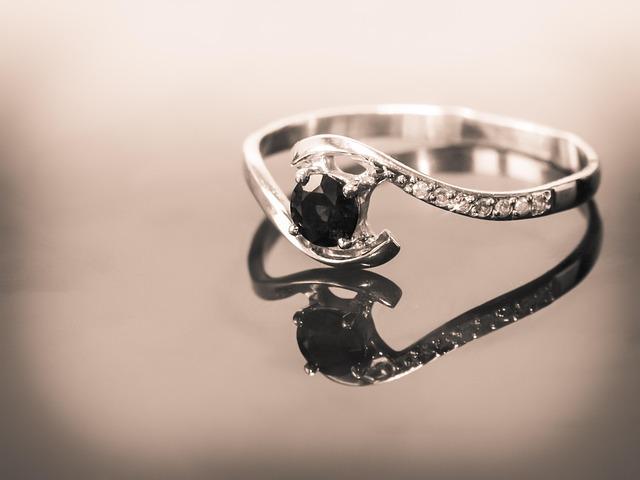
When fingers feel slightly shorter or fuller, elongated diamond shapes like oval, marquise, or pear tend to create a stretching effect that changes the overall balance of the hand. It’s subtle, but once you notice it, the difference becomes hard to ignore.
At some point, while browsing through engagement rings, many people start comparing how these shapes sit rather than just how they sparkle. In places like Ritani, where multiple shapes are viewed side by side, the contrast becomes clearer because proportions start to matter more than individual designs. You begin to see how certain cuts naturally draw the eye along the length of the finger instead of across it, which can make the hand appear more refined without needing a larger stone.
2. Round Cuts Soften Angular or Prominent Hands
Not every hand benefits from sharp lines or structured shapes. If knuckles are more pronounced or the fingers have a slightly angular look, round diamonds tend to soften that structure in a way that feels more balanced.
The absence of corners makes the ring feel less rigid, almost blending into the hand rather than sitting on top of it. This creates a smoother visual flow, especially in everyday movement, where harsh lines can sometimes feel more noticeable than expected. Over time, that softness becomes part of why the ring feels easy to wear—it doesn’t compete with the hand’s natural structure, it complements it in a quieter way.
3. Wider Fingers Pair Better With Broader Stone Shapes
When fingers are naturally wider, smaller or narrower stones can sometimes look slightly out of proportion, even if the size itself is technically correct. Shapes like cushion, emerald, or radiant tend to fill space more evenly, creating a better visual balance.
It’s not about going bigger—it’s about choosing a shape that distributes presence across the finger rather than concentrating it in one point. That distribution changes how the ring sits visually, making it feel more anchored and intentional. Once that balance is achieved, the ring tends to feel like it belongs there rather than needing to be adjusted to fit.
4. Slim Fingers Can Handle More Structured or Bold Shapes
If fingers are long and slender, there’s more flexibility in choosing shapes that have stronger edges or distinct geometry. Princess, emerald, and even marquise cuts can stand out without overwhelming the hand.
In fact, sharper shapes can add character where softer ones might feel too understated. The structure creates contrast, giving the ring more definition rather than letting it disappear into the overall look. It also allows for a bit more experimentation, since the hand can carry stronger visual lines without feeling crowded or overdesigned.
5. Hand Movement Affects How the Shape Is Perceived
This part is easy to overlook. A ring doesn’t just sit still—it moves with your hand throughout the day, catching light and shifting angles constantly.
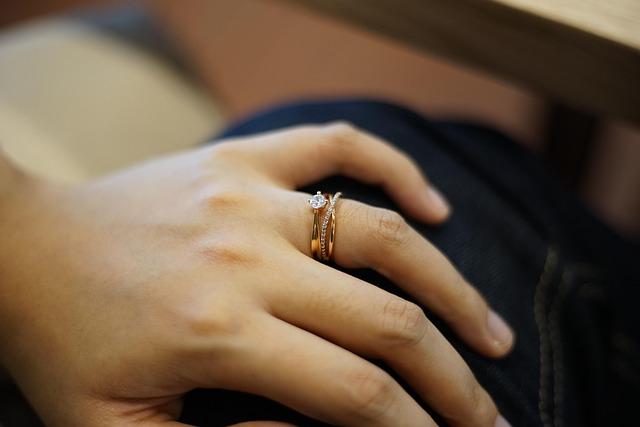
Some shapes, especially elongated ones, create a fluid effect when the hand moves, while others hold a more grounded, stable presence. Trying a ring on and simply moving your hand around can reveal more than a mirror ever will. You start noticing how the shape behaves in motion, which can feel very different from how it looks when your hand is still. That small shift in observation changes how you evaluate what actually feels right.
6. Personal Comfort With Visibility Matters More Than Trends
Certain shapes draw more attention, whether through size illusion or distinct structure. Marquise and pear, for example, tend to stand out quickly, while round and cushion shapes feel more familiar and understated.
The real question isn’t which one looks better in isolation but how comfortable you feel wearing it daily. A ring that feels slightly too noticeable at first usually doesn’t become easier over time. Paying attention to your own comfort level—how often you glance at it, how it feels in different settings—is more useful than following current preferences or external opinions.
Conclusion
Choosing the right engagement ring shape isn’t about following a fixed set of rules. It’s about noticing how different shapes interact with your hand in ways that aren’t always obvious at first glance.
Once you start paying attention to proportion, movement, and overall balance, the decision becomes less overwhelming and far more intuitive. The right shape doesn’t just look good—it settles naturally into your hand in a way that feels consistent every time you wear it.