What Home Cooks Can Learn From Pro Kitchens
This post contains affiliate links. Click here to read my affiliate policy.
Last Updated on August 24, 2026
Professional kitchens look chaotic, but they run on discipline. Behind every smooth dinner service is a set of habits built to save time and cut waste. Most of those habits scale down beautifully to a home kitchen.
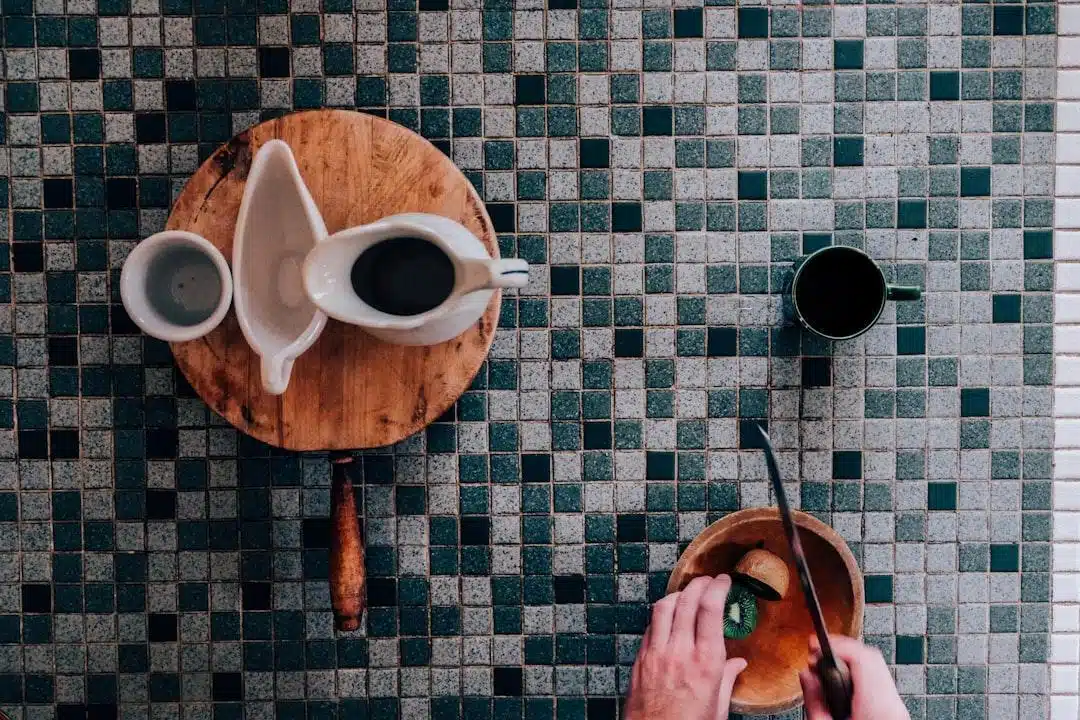
Photo by Zachary Nelson on Unsplash
You do not need a brigade of chefs to cook like one. A few borrowed techniques make weeknight meals calmer and cheaper. Publications like the articles from Foodservice REP show how the industry thinks, and home cooks can quietly steal the best ideas. Here is where to start.
Why Do Professional Kitchens Run So Smoothly?
The secret is preparation, not speed. Chefs set up everything before the first order lands, so cooking becomes assembly. The French call this mise en place, meaning everything in its place.
Systems replace scrambling. Ingredients are measured, tools are laid out, and each step has an order. The discipline that professional chefs build over years comes down to this simple order. When the pressure hits, there is nothing left to figure out.
Home cooks can copy this exactly. Just 10 minutes of setup before you turn on the stove removes most weeknight stress. The cooking itself then feels almost easy.
Mise en place is a system, not a chore. It is the practice of prepping and arranging every ingredient before cooking starts. That one habit underpins almost everything else a pro kitchen does.
The payoff is speed later, not more work overall. You do the same tasks, just in a smarter order. A 30-minute meal often feels twice as fast this way.
What Prep Habits Save the Most Time?
A little upfront work pays off all week. These pro habits deliver the biggest returns at home.
- Prep once, cook twice. Chop extra vegetables for tomorrow while you cook today.
- Batch your proteins. Roast or grill a big tray to reuse across meals.
- Measure first. Set out spices and sauces before the pan is hot.
- Clean as you go. A tidy station keeps you moving, not searching.
- Label and date. Know what is in the fridge and how old it is.
- Plan the week. A rough lunch and dinner map cuts daily decisions.
None of this takes special skill. It is simply front-loading the boring work so the fun part flows.
How Do Restaurants Waste So Little Food?
Margins are thin, so waste is the enemy. Kitchens track what they buy and use nearly all of it. That mindset is worth borrowing at home.
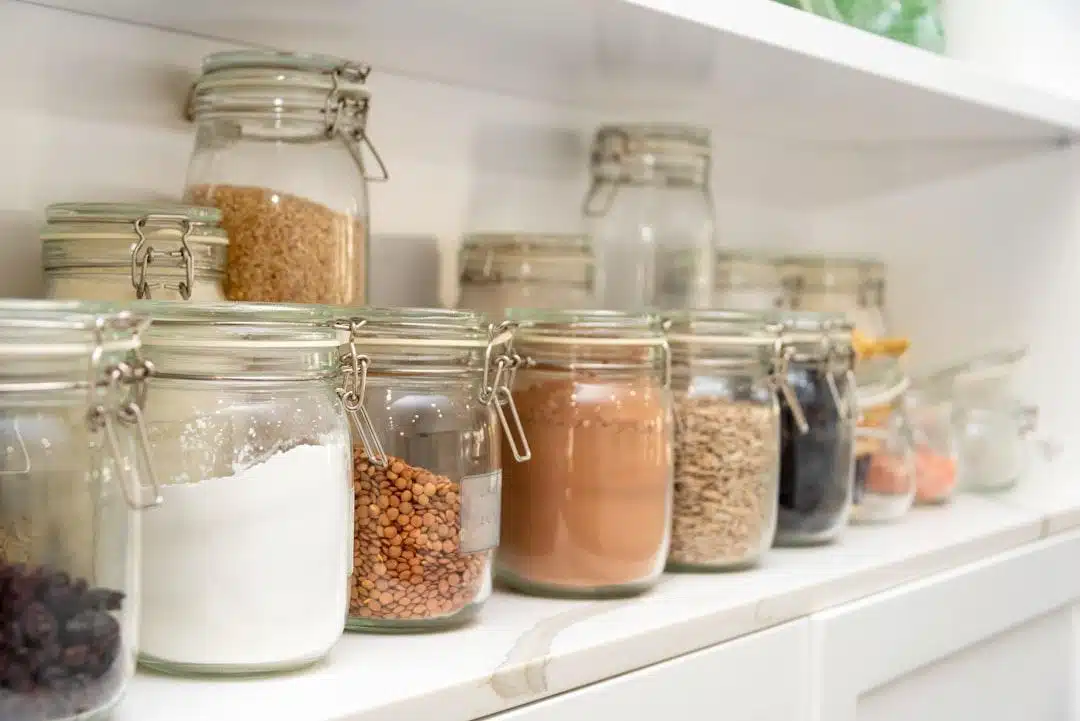
Photo by Steven Ungermann on Unsplash
Whole-ingredient cooking is the core idea. Stems, bones, and trimmings become stocks, sauces, and garnishes. Very little heads to the bin.
Leftovers get a second life too. A roast chicken becomes tomorrow’s tacos or soup with a little planning. Planning that second meal is how pros stretch every dollar and rarely waste good food.
The savings are real at home as well. Cutting household food waste even 20 percent adds up over a year. That is money back in your pocket for the same groceries.
A stock is a simple example of the mindset. It is a flavorful liquid made from bones and vegetable scraps you would otherwise toss. One batch can flavor 3 or 4 later meals. Just follow basic food safety when storing and reheating it.
What Can You Learn About Flavor and Consistency?
Chefs build flavor in layers, not all at once. They season at each stage, taste often, and adjust as they go. That habit alone lifts home cooking noticeably.
Consistency comes from recipes and notes. Professionals write things down so a dish tastes the same every time. Keeping your own notes turns a lucky meal into a reliable one.
Balance is the final lesson. Salt, acid, fat, and heat work together, and a squeeze of lemon often fixes a flat dish. Good cooking tips usually come back to that balance.
Temperature control matters just as much. Pros let meat rest and bring ingredients to room temperature before cooking. These small habits make a bigger difference than most home cooks expect.
How Do You Bring This Into a Home Kitchen?
Start small and pick one habit. Try mise en place for a week and notice the difference. Add the next habit once the first feels natural.
Follow the industry a little, too. Reading how professionals plan and cook keeps fresh ideas coming. A meal plan borrowed from that thinking makes the whole week smoother.
The goal is not to run a restaurant at home. It is to make everyday cooking calmer, cheaper, and more enjoyable. The pros just show the way.
What to Remember
- Professional kitchens run on preparation, not raw speed.
- Mise en place removes most weeknight cooking stress.
- Batch prep and planning save time across the week.
- Whole-ingredient cooking and leftovers cut real waste.
- Season in layers and keep notes for consistency.
- Adopt one pro habit at a time to make it stick.
Cooking Smarter at Home
The best restaurant habits are about systems, not fancy skills. Prep ahead, waste less, and season with intent, and your kitchen runs smoother. Borrow what works, and every meal gets a little easier.
Frequently Asked Questions
What Is Mise En Place?
It means “everything in its place.” You prep and measure all ingredients before you start cooking. That setup makes the actual cooking faster and calmer.
How Do I Waste Less Food at Home?
Cook with whole ingredients and plan a second meal for leftovers. Use trimmings for stock and label what is in the fridge. Small habits add up to big savings.
Do I Need Professional Equipment to Cook Better?
No. Most pro habits are about preparation and organization, not gear. A sharp knife, a clean station, and good planning matter far more.
How Do Chefs Keep Dishes Tasting Consistent?
They follow recipes, take notes, and season in stages while tasting. Writing down what works lets you repeat a good result every time.