Choosing a Stroller for Your Newborn: What Parents Should Look For
This post contains affiliate links. Click here to read my affiliate policy.
Last Updated on August 25, 2026
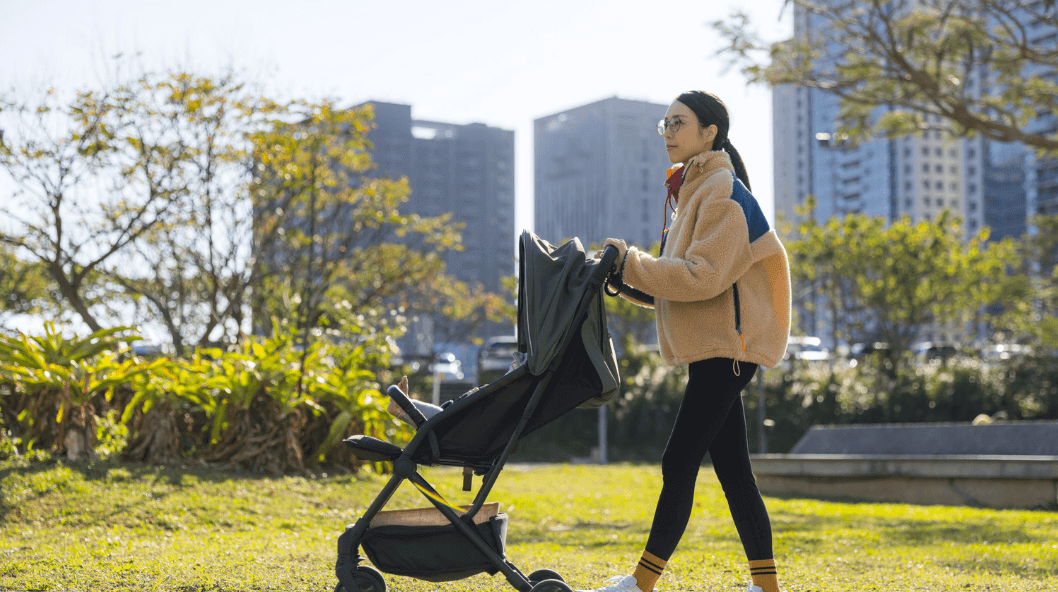
Taking your newborn out for one of those first walks can feel like a bigger event than expected. You check the weather, pack diapers and a change of clothes, and wonder whether your baby will actually stay comfortable once you leave the house.
The stroller you use is an important part of that preparation. If you’re shopping for a stroller for newborn outings, start by checking whether the model is approved for use from birth and how it supports a baby who cannot yet hold up their head.
Newborns have different needs from older babies who can sit and support themselves. Understanding those needs can make it easier to evaluate stroller features, use the equipment correctly, and feel more confident when you start venturing farther from home.
How a Newborn’s Body Affects Stroller Setup
Newborns have limited head and neck control, so it’s important to use a stroller configuration intended for your baby’s age and stage. Always follow the stroller manufacturer’s instructions for newborn use, including any age, weight, recline, bassinet, or infant insert requirements.
Positioning and Breathing
During the first few months, babies don’t have the neck strength to consistently support their heads. If a young infant isn’t positioned correctly, their head may fall forward toward their chest.
Some stroller systems use a bassinet for newborns, while others have seats that recline to a position approved by the manufacturer for use from birth. Whichever setup you use, position your baby according to the product instructions and check on them regularly during the outing.
Check the manufacturer’s instructions to confirm that the setup is approved for newborn use. If your baby has specific positioning or health needs, ask your pediatrician for guidance.
Supporting a Developing Body
Young babies cannot reposition themselves as easily as older children. Look for a newborn-approved setup that provides firm, even support without leaving your baby slumped or poorly positioned.
Avoid adding aftermarket cushions, pillows, or inserts unless the stroller manufacturer specifically approves them for that model. As your baby develops better head and neck control, adjust the stroller setup according to the manufacturer’s recommendations.
Keeping Your Baby Comfortable in Changing Temperatures
A stroller can create a different environment from the air around you. A large canopy, blankets, enclosed covers, and direct sun can all affect how warm the stroller becomes.
Breathable materials and ventilation panels can help with airflow, but parents should still check their baby regularly. Dress your baby for the actual conditions rather than relying on a fixed number of layers, and watch for signs that they are getting too warm or cold.
Avoid covering the stroller in a way that restricts airflow, especially on warm days.
Essential Stroller Safety Features
Once you’ve confirmed that a stroller is appropriate for newborn use, look at how the frame, wheels, harness, brakes, and canopy work in everyday conditions.
A Stable Frame and Smooth Ride
Sidewalk cracks, curbs, gravel, and uneven paths are part of almost any walk. A stable frame and well-designed wheels can make these surfaces easier to navigate and provide a smoother ride.
Useful features can include:
- Suspension: A suspension system can help soften bumps when traveling over uneven surfaces.
- Stable Frame: The stroller should feel solid when opened, with its locking mechanisms fully engaged before you put your baby inside.
- Durable Wheels: Choose wheels suited to where you expect to walk, whether that’s mostly smooth sidewalks, parks, or rougher paths.
Don’t assume that larger wheels or more suspension automatically make a stroller suitable for a newborn. Age approval and correct positioning still come first.
Harnesses and Secure Positioning
If the newborn-approved stroller configuration uses a harness, buckle it according to the manufacturer’s instructions every time.
Many stroller seats use a five-point harness that secures a child at the shoulders, waist, and between the legs. The straps should fit securely without being twisted, and any included padding should sit as intended.
Check the harness fit as your baby grows. Small adjustments can make a big difference as clothing changes with the seasons and your child gets bigger.
Sun and Weather Protection
Newborn skin is sensitive, so shade is especially useful during outdoor walks. An adjustable canopy can help keep direct sunlight off your baby while still allowing airflow.
Features worth considering include:
- UPF-Rated Canopy Fabric: Some stroller canopies use fabric designed to provide additional protection from ultraviolet radiation.
- Ventilation or Viewing Panels: Mesh panels can improve airflow and make it easier to check on your baby.
- Weather Covers: A properly fitted rain or weather cover can be useful when conditions change. Use only covers compatible with the stroller and follow the manufacturer’s ventilation instructions.
A canopy isn’t a reason to stay outside in extreme heat, cold, or severe weather. For a newborn, changing plans is sometimes the easiest safety decision.
Making Those First Outings Easier
A short walk around the block is enough at first. Staying nearby gives you a chance to learn how the stroller handles and what your baby needs without putting you far from home.
Work With Feeding and Sleep Routines
A little preparation can make getting out the door easier.
- Feed and Change Before Leaving: Starting with a fed baby and a clean diaper may give you a more comfortable window for a walk.
- Dress for the Weather: Use clothing that’s easy to adjust as conditions change, and check your baby during the outing rather than assuming they’re comfortable.
- Start Close to Home: A 15- to 30-minute walk nearby gives you time to get used to the stroller before attempting longer outings or complicated errands.
Keep a few basics in the stroller basket, such as diapers, wipes, a change of clothes, and anything you normally need for feeding. You’ll quickly learn which items you actually use and which ones can stay home next time.
Don’t Hang Heavy Bags From the Handle
The storage basket under the stroller is there for a reason. Putting a diaper bag, extra clothing, and other items low in the stroller helps keep the weight where the frame is designed to carry it.
Avoid hanging heavy shopping bags or an overloaded diaper bag from the handle unless the stroller manufacturer specifically says the product is designed for it. Extra weight on the handle can affect the stroller’s balance and increase the risk of tipping.
Check the basket’s stated weight limit too. It’s surprisingly easy to overload it during a grocery run or a long day out.
Cleaning and Checking Your Stroller
Strollers deal with milk spills, crumbs, mud, dust, and plenty of everyday mess. A simple cleaning and inspection routine can help keep yours ready for the next outing.
Cleaning Fabrics and Mattress Components
Start with the manufacturer’s care instructions because stroller fabrics and bassinet mattresses aren’t all cleaned the same way.
If fabric components are removable and machine washable, use the recommended cycle and detergent. Other parts may need to be wiped or spot-cleaned instead.
Allow cleaned components to dry completely before putting the stroller away. Pay particular attention to areas where moisture, milk, or dirt can collect.
Wheels, Brakes, and Folding Mechanisms
A quick check every so often can catch small problems before they become frustrating on a walk.
- Wipe dirt and mud from the frame and wheels.
- Remove hair, string, and debris caught around wheel axles.
- Test the brakes to make sure they engage properly.
- Check that wheels are securely attached.
- Open and fold the stroller to make sure its locks and safety catches work as intended.
- Look over the harness and straps for wear or damage.
If something feels loose, doesn’t lock correctly, or isn’t working as it normally does, stop using the stroller until you’ve checked the manual or contacted the manufacturer.
Getting Comfortable With Your Baby’s First Journeys
Choosing a stroller for a newborn doesn’t need to become an engineering project. Start with the basics: confirm that the stroller is approved for your baby’s age, use the recommended newborn configuration, buckle your baby correctly, and learn how the brakes, folding mechanism, and storage work before heading out.
Once you’ve handled a few short walks, you’ll have a better sense of what works for you and your baby. You may find that you need fewer supplies than expected, discover a stroller-friendly route through the neighborhood, or learn that your baby tends to settle at a certain time of day.
From there, longer walks and family outings usually become easier to manage. A good stroller setup should help you get out the door with less fuss so you can spend more time enjoying the walk with your baby.