
What Are the Consequences of Delayed HIE Treatment in Newborns?
This post contains affiliate links. Click here to read my affiliate policy.
Last Updated on August 27, 2026
Delayed treatment for hypoxic-ischemic encephalopathy (HIE) in newborns can increase the risk of serious brain injury and long-term developmental complications. HIE occurs when a baby’s brain does not receive enough oxygen and blood, usually around the time of birth. Prompt recognition and treatment can be critical because certain interventions, particularly therapeutic hypothermia, are most effective when started within a limited period after birth.
Parents of neonates suffering from HIE may face difficult questions about why the condition occurred, whether it was recognized promptly, and whether earlier treatment could have changed the outcome. Understanding the potential consequences of delayed treatment can help families discuss the newborn’s condition with appropriate medical professionals.
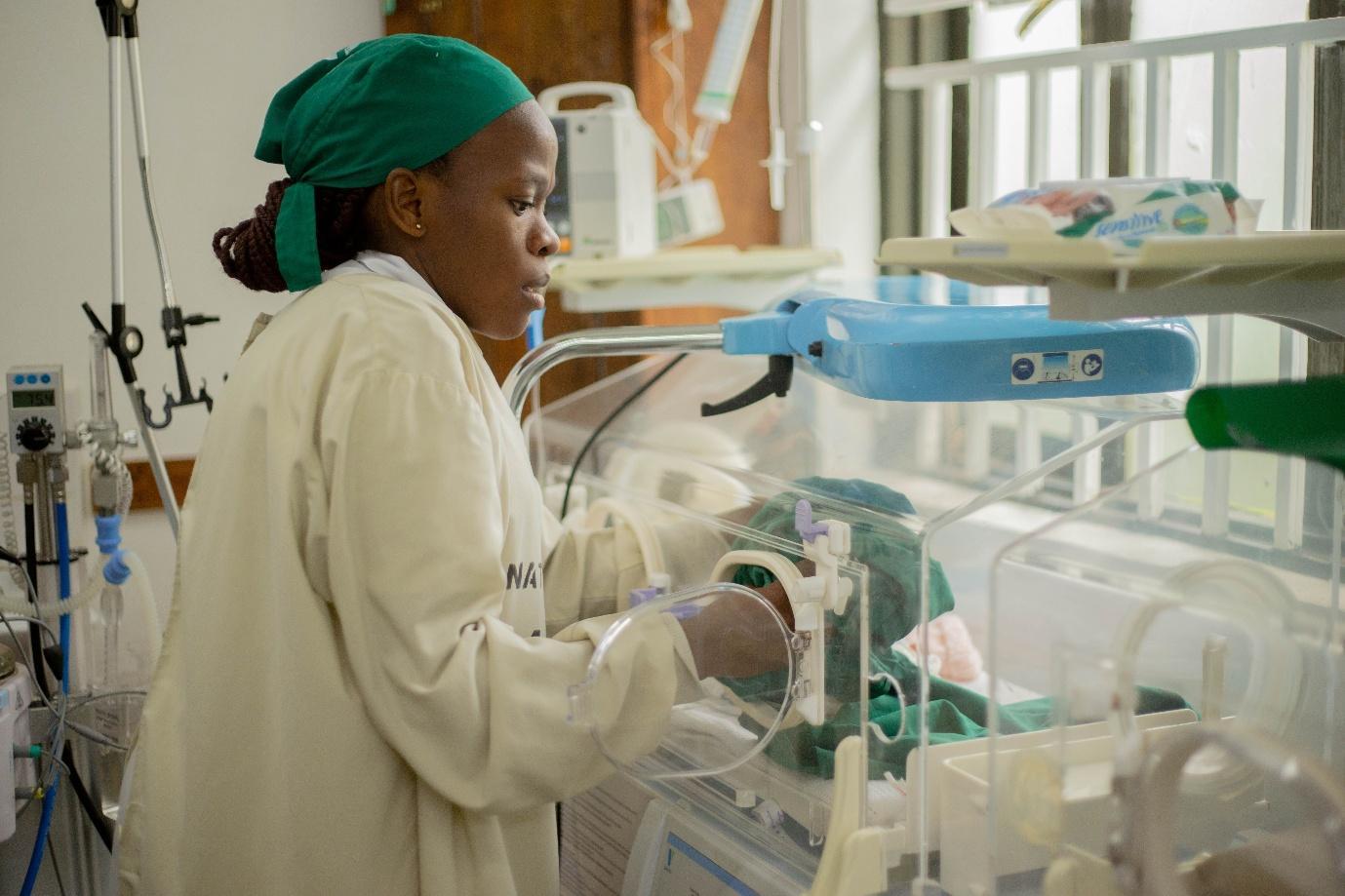
Image source : pexels
What Is HIE?
Hypoxic-ischemic encephalopathy is a type of brain dysfunction caused by inadequate oxygen and blood flow to the brain. It can occur before, during, or shortly after birth.
Possible causes include complications involving the umbilical cord, placental problems, prolonged or difficult labor, maternal health complications, or problems affecting the baby’s breathing and circulation.
The severity of HIE can range from mild to severe, and its effects can differ significantly between babies.
Why Early Treatment Matters
One important treatment for eligible newborns with moderate to severe HIE is therapeutic hypothermia, also known as cooling therapy. The treatment involves carefully lowering the baby’s body temperature for a specific period under specialized medical supervision.
According to the National Institute of Child Health and Human Development, therapeutic hypothermia can reduce the risk of death or disability in certain newborns with HIE when appropriately administered. Treatment is generally most effective when initiated within six hours of birth.
This limited treatment window makes early recognition and evaluation particularly important.
Increased Risk of Brain Damage
A major concern with delayed treatment is the potential for ongoing brain injury. When the brain has been deprived of oxygen, a series of cellular processes can continue causing damage even after blood flow and oxygen levels are restored.
Early treatment may help limit some of these processes in eligible infants. When appropriate treatment is delayed, the opportunity to reduce secondary brain injury may become smaller.
The extent of injury depends on factors such as the severity and duration of oxygen deprivation and the baby’s overall condition.
Developmental Delays
Children who experience significant HIE may develop delays in reaching developmental milestones. These can involve movement, communication, learning, or social development.
Some children may initially appear to develop normally but later show difficulties as developmental demands increase.
Regular pediatric evaluations and developmental screening can help identify concerns early and connect children with appropriate services.
Cerebral Palsy
Severe HIE can increase the risk of cerebral palsy, a group of neurological disorders that affect movement, muscle tone, and coordination.
The severity and type of movement difficulties can vary considerably. Some children may have relatively mild challenges, while others may require mobility devices and extensive assistance.
Physical and occupational therapy can help children develop skills and improve functional abilities.
Seizures and Neurological Problems
HIE can also cause seizures, particularly during the newborn period. Some babies may require medication and continuous monitoring.
Long-term neurological problems can vary depending on the extent of the original brain injury. Follow-up with pediatric neurologists and other specialists may be recommended when appropriate.
Parents should report unusual movements, changes in responsiveness, feeding difficulties, or other concerning symptoms to the child’s healthcare provider.
Cognitive and Learning Difficulties
Children affected by significant HIE may experience challenges with memory, attention, learning, or problem-solving.
These difficulties may become more noticeable once the child reaches school age. Educational support, developmental services, and specialized therapies may help address individual needs.
Early identification can make it easier for families and educators to develop appropriate support strategies.
Speech and Feeding Problems
Some children with HIE may experience difficulties involving speech, swallowing, or feeding. These problems can occur when neurological injury affects the muscles and coordination required for these functions.
Speech-language pathologists and feeding specialists can evaluate these difficulties and recommend appropriate interventions.
In more serious cases, children may require specialized feeding support.
Long-Term Care Needs
The long-term effects of HIE can place significant emotional, practical, and financial demands on families. Depending on the severity of the child’s condition, ongoing medical appointments, therapies, medications, assistive equipment, and specialized education may be necessary.
Some children may require support throughout childhood and beyond.
Planning early for these needs can help families access appropriate services and resources.
Key Takeaways
- HIE occurs when a newborn’s brain does not receive enough oxygen and blood.
- Delayed treatment can increase the risk of brain injury and long-term complications.
- Therapeutic hypothermia may benefit eligible newborns when started within the appropriate treatment window.
- Possible consequences include developmental delays, cerebral palsy, seizures, cognitive difficulties, and feeding or speech problems.
- The severity of long-term effects varies from child to child.
- Early developmental assessment and supportive therapies can help address emerging difficulties.
- Delayed treatment does not automatically establish medical negligence.
- Families concerned about neonates suffering from HIE can discuss the child’s medical history with qualified healthcare and legal professionals.